What Does a Compliance Officer Actually Do All Day?


Join thousands of professionals and get the latest insight on Compliance & Cybersecurity.
You've heard the job title before. Maybe you've seen it on LinkedIn profiles or corporate websites. Perhaps you've even considered it as a potential career path. But what does a compliance officer actually do on a day-to-day basis?
If you're imagining someone buried in endless paperwork, mechanically checking boxes and sending stern emails about policy violations, you're only seeing a fraction of the picture. The reality is far more dynamic, challenging, and—according to many in the field—surprisingly engaging.
"It's stressful, not going to lie. But I enjoy it. I can say one thing.... I'm never, ever bored (or caught up)," confesses one compliance professional on Reddit, offering a glimpse into the relentless but fulfilling nature of the role.
This article pulls back the curtain on the compliance profession, providing a realistic "day in the life" view that's invaluable for career changers and students alike. We'll explore the core responsibilities, typical daily activities, essential skills, and career pathways for those considering this increasingly critical profession.
The Core Mission: More Than Just a Rule Enforcer
At its heart, a compliance officer's job is to ensure an organization operates legally and ethically within the complex web of regulations governing its industry. But that clinical definition barely scratches the surface of what the role entails.
Rather than being the corporate "police" (as they're sometimes stereotyped), effective compliance officers are strategic partners who help an organization navigate regulatory requirements while still achieving business objectives. Their work broadly falls into three main categories:
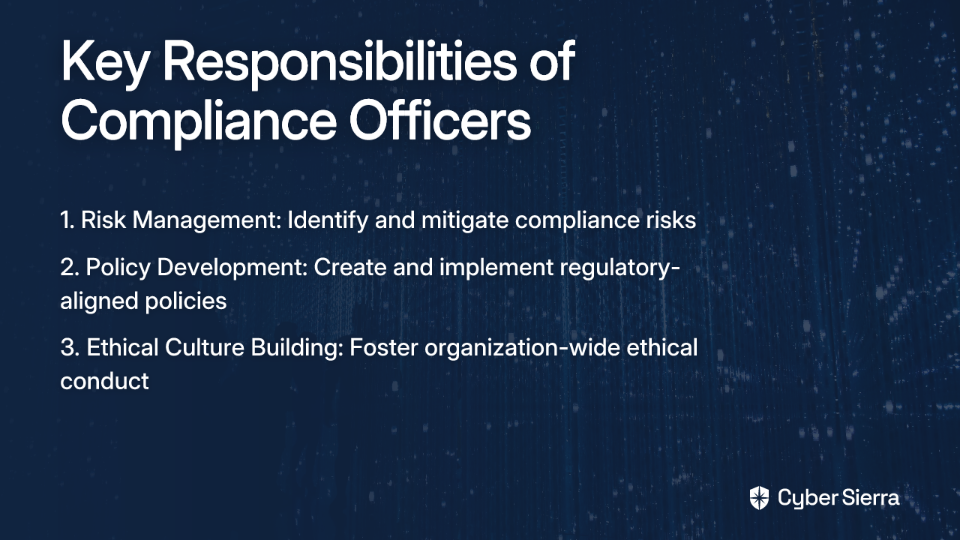
- Risk Management: Analyzing operations to identify potential compliance risks and developing improvement plans for any issues discovered. This includes building proactive compliance programs that address risks before they become problems.
- Policy Development: Creating and implementing company policies that align with industry laws, ensuring both management and staff understand their compliance obligations through training and clear communication.
- Ethical Culture Building: Perhaps most importantly, fostering an environment where ethical conduct is prioritized throughout the organization—making compliance a shared value rather than just a department.
As one industry publication notes, "A strong compliance function doesn't just protect an organization from regulatory penalties; it preserves its reputation, builds customer trust, and creates a foundation for sustainable growth."
A Day in the Life of a Compliance Officer: A Blend of Routine and Reaction
What does a typical day look like for a compliance officer? While no two days are identical (part of what makes the job interesting), most compliance professionals structure their time around a mix of planned activities and responsive tasks.
Morning: Setting Priorities and Staying Informed
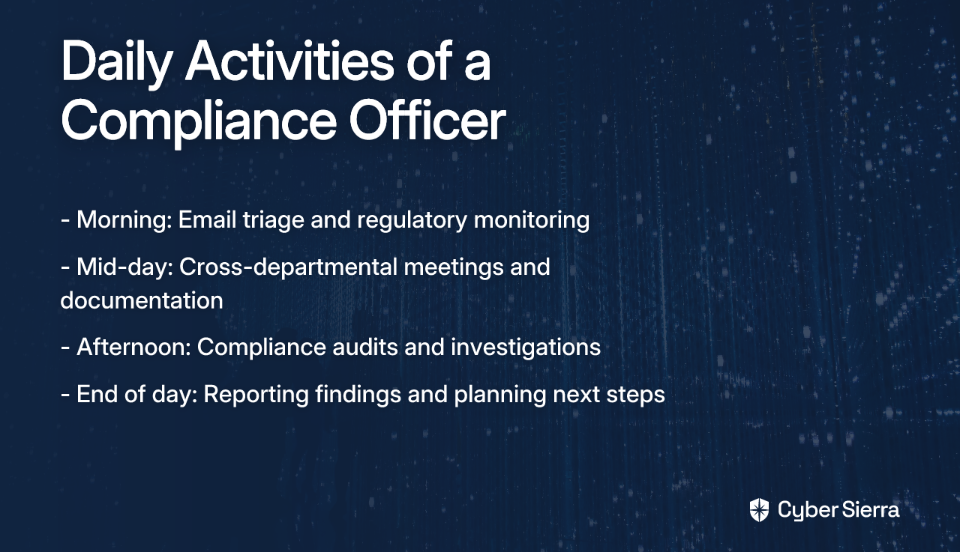
8:00 AM - 9:30 AM: Email Triage and Response The day typically begins by addressing the most urgent communications. Compliance officers prioritize messages from management and supervisors, as these often contain time-sensitive requests or important updates that might affect the day's priorities.
9:30 AM - 10:30 AM: Regulatory Monitoring A crucial part of the role is staying current with industry regulations. Many compliance officers dedicate morning time to reviewing regulatory updates, subscribing to notifications from agencies like the Office of the Comptroller of the Currency (OCC) or Federal Reserve Board (FRB) to catch new rules or guidance that might impact their organization.
As one banking compliance officer explains, "The regulatory landscape is constantly shifting. Miss an update, and suddenly your organization is out of compliance without even knowing it."
Mid-day: Collaboration and Implementation
10:30 AM - 12:00 PM: Meetings and Consultations Compliance isn't a solo function. Officers regularly meet with department heads and executives to discuss regulatory changes and their impact on products or services. These meetings might involve:
- Explaining new compliance requirements to business teams
- Advising on compliance aspects of new initiatives
- Addressing questions from staff about policy interpretations
1:00 PM - 3:00 PM: Documentation and Program Development After lunch, many compliance officers turn to more focused work. This often involves reviewing and drafting documents—a significant aspect of the role.
"I am heavily engaged in drafting and designing compliance programs and initiatives. So, a lot of writing. A lot," notes one compliance professional on Reddit.
This documentation work can include:
- Reviewing financial statements or operational procedures
- Developing or updating policies to reflect regulatory changes
- Creating training materials to educate employees
- Drafting memos to inform staff about policy updates
Afternoon: Investigation and Reporting
3:00 PM - 4:30 PM: Compliance Monitoring and Investigation Later in the day, compliance officers might:
- Conduct audits to identify potential weaknesses in compliance systems
- Analyze operational data to spot unusual patterns that could indicate compliance issues
- Investigate potential violations reported through whistleblower channels or discovered during monitoring
4:30 PM - 5:30 PM: Reporting and Planning The day often concludes with synthesizing information and preparing reports for leadership. This might involve:
- Creating presentations for the board on compliance status
- Documenting findings from the day's monitoring activities
- Planning upcoming compliance initiatives or training sessions
- Setting priorities for the following day
This schedule represents just one possible arrangement. As compliance professionals are quick to point out, unexpected issues frequently arise that require immediate attention, forcing a reorganization of the day's planned activities.
Navigating the Gauntlet: The Biggest Challenges on the Job
The compliance officer's role comes with significant challenges that make it both demanding and intellectually stimulating:
Tracking Regulatory Changes: Perhaps the most persistent challenge is keeping up with the sheer volume and complexity of changing regulations. Officers use everything from regulatory subscriptions to specialized RegTech tools to stay informed about evolving requirements that could affect their organization.
Gaining Internal Buy-In: Compliance professionals must navigate organizational politics to secure support from the board and senior management. Without executive backing, implementing necessary compliance measures becomes significantly more difficult.
Balancing Compliance and Business Goals: Finding ways to meet regulatory requirements without unnecessarily impeding business operations requires creativity and diplomatic skill. The most effective compliance officers are those who can say "yes, if" rather than just "no."
Maintaining Vigilance: When compliance systems are running smoothly, it's challenging to keep compliance top-of-mind across the organization. As Consumer Compliance Outlook notes, "Celebrating compliance successes can help maintain awareness even when there aren't obvious problems to solve."

The Compliance Officer's Toolkit: Essential Skills for Success
Succeeding in compliance requires a diverse skill set spanning both technical knowledge and interpersonal abilities:
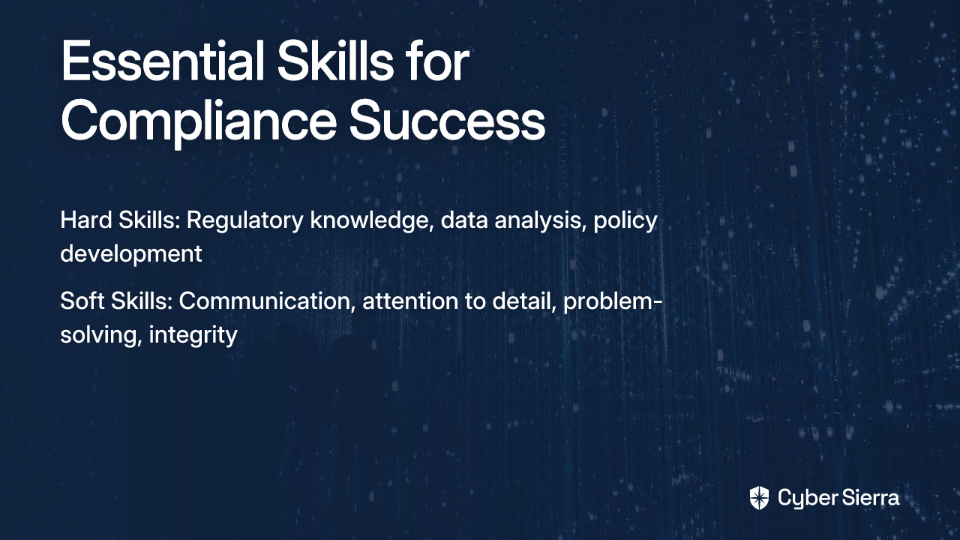
Hard Skills
- Regulatory Knowledge: Deep understanding of laws applicable to the industry, from Anti-Money Laundering (AML) regulations to environmental standards
- Data Analysis: Ability to review audit data and operational practices to assess compliance levels
- Policy Development: Skill in drafting and implementing policies that align with legal requirements
- Technological Proficiency: Familiarity with compliance software for tracking metrics and conducting audits
Soft Skills
- Communication: "A strong writing and analytical ability is clutch," says one Reddit user. This includes translating complex regulatory language for non-experts and presenting findings clearly to leadership.
- Attention to Detail: Essential for spotting nuanced compliance issues that might otherwise be missed
- Problem-Solving: Developing effective solutions to compliance issues without disrupting core business
- Integrity and Ethical Judgment: Non-negotiable traits for building and maintaining a culture of compliance
Charting Your Path: How to Become a Compliance Officer
For those intrigued by this career path, here's how to get started:
Education and Experience
Most compliance roles require at least a bachelor's degree in fields like finance, business, law, or a discipline relevant to the industry you're targeting. Typically, employers look for 3-5 years of experience in a related field before considering candidates for compliance positions.
Choosing Your Niche
As one compliance professional advises on Reddit, "I think foremost you need to determine what sector of compliance." Popular specializations include:
- Financial Compliance: Monitoring adherence to financial regulations in banks and investment firms—a high-demand area with over a third of banks planning to hire more compliance officers, according to Bank Director.
- Healthcare Compliance: Overseeing adherence to medical laws and privacy standards like HIPAA
- Corporate Compliance: Focusing on broader business regulations, ethics programs, and anti-corruption measures
Valuable Certifications
Industry-recognized certifications can significantly boost your prospects:
- Certified Regulatory Compliance Manager (CRCM): Ideal for banking compliance professionals
- Certified in Healthcare Compliance (CHC): Essential for the healthcare sector
- Certified Compliance and Ethics Professional (CCEP): A highly recognized generalist certification from the Society of Corporate Compliance and Ethics (SCCE)
Where to Apply
For those just starting out, one Reddit user offers this advice: "If I were just starting out I'd apply to the OCC, FRB, FDIC, CFPB, FinCen, OFAC and FTC." Beginning with regulatory agencies can provide excellent foundation before moving to private sector roles.
Is Compliance a Good Career Choice?
With a mean annual salary of $84,980 according to the Bureau of Labor Statistics (though Indeed reports a different average of $62,693, highlighting the range across industries), and projected job growth of 5% from 2023 to 2033, compliance offers both stability and opportunity.
The role is particularly suited to detail-oriented professionals who enjoy problem-solving, have strong ethical compasses, and thrive in dynamic environments where no two days are quite the same.
Frequently Asked Questions
What is the difference between a compliance officer and an auditor?
A compliance officer proactively builds systems to prevent violations, while an auditor retroactively checks to see if those systems and rules were followed. While both roles focus on adherence to regulations, compliance is forward-looking and preventative, centered on policy development and training. Auditing is backward-looking and detective, focused on testing controls and reporting on past performance.
Do you need a law degree to become a compliance officer?
No, a law degree is not typically required to become a compliance officer, although it can be beneficial. Most roles require a bachelor's degree in a relevant field like business or finance, supplemented by several years of industry experience. Professional certifications like the CRCM or CCEP are often more important than a law degree for career advancement.
What is the most challenging aspect of a compliance officer's job?
The most challenging aspect is often keeping pace with the constantly changing regulatory landscape. Compliance officers must continuously monitor new laws and guidance to ensure their organization remains compliant. Other significant challenges include gaining buy-in from senior management and balancing regulatory requirements with business objectives.
How does a compliance officer contribute to a company's success?
A compliance officer contributes to a company's success by protecting it from legal penalties, reputational damage, and financial loss. By fostering an ethical culture and ensuring the company operates within legal boundaries, they build trust with customers, investors, and regulators, which provides a stable foundation for sustainable growth.
What does career advancement look like for a compliance officer?
Career advancement for a compliance officer often involves moving into senior or management roles with greater responsibility. An officer might progress from a specialist role to a Compliance Manager, then to a Director of Compliance, and ultimately to a Chief Compliance Officer (CCO) who oversees the entire compliance function for an organization.
The Indispensable Role of a Modern Compliance Officer
Far from being mere rule enforcers, today's compliance officers are strategic partners who help organizations navigate complex regulatory environments while maintaining their ethical foundations. The role demands intellectual rigor, adaptability, and excellent communication skills—but offers the satisfaction of protecting organizations and the people they serve.
For the right individuals, compliance provides a career that is challenging, meaningful, and increasingly valued in our highly regulated world. As one professional summed it up: "It's demanding work, but I never question whether what I do matters. It absolutely does."