Top 10 Compliance Automation Platforms for Healthcare Organizations


Join thousands of professionals and get the latest insight on Compliance & Cybersecurity.
Summary
- Manual HIPAA compliance using spreadsheets is inefficient and exposes healthcare organizations to significant risks, including multi-million dollar fines.
- Automation platforms transform compliance from periodic scrambles into a continuous, proactive process that reduces manual effort and minimizes human error.
- When selecting a tool, evaluate your organization's specific needs, such as required frameworks (HIPAA, SOC 2), integration capabilities, and team expertise.
- An all-in-one platform like Cyber Sierra's GRC solution can centralize compliance, risk management, and vendor oversight, simplifying the entire process for healthcare providers.
Are you drowning in spreadsheets trying to manage HIPAA compliance? Struggling to track Business Associate Agreements while simultaneously conducting risk assessments and training staff? You're not alone. Many hospitals and clinics still rely on manual processes or disconnected tools for HIPAA compliance, making it nearly impossible to maintain a consistent approach to protecting patient data.
The stakes couldn't be higher. With regulatory fines reaching millions of dollars and the potential loss of patient trust, healthcare organizations can't afford to treat compliance as an afterthought. Yet, the complexity of juggling multiple frameworks, especially for smaller practices without dedicated compliance teams, can be overwhelming.
Compliance automation platforms offer a modern solution to these challenges, transforming compliance from a reactive, periodic scramble into a proactive, continuous monitoring process. These platforms provide the centralization and streamlining needed to reduce manual effort, minimize human error, and ensure your organization stays audit-ready at all times.
Why Compliance Automation is a Game-Changer for Healthcare
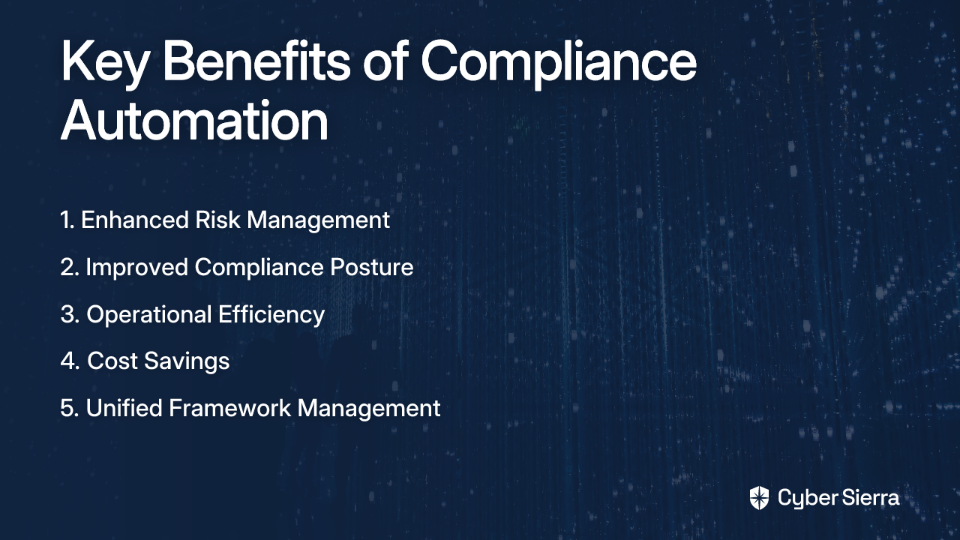
The shift from manual, periodic compliance checks to automated, continuous monitoring represents a fundamental evolution in how healthcare organizations approach regulatory requirements. Here's why it matters:
- Enhanced Risk Management: Automated platforms provide ongoing awareness of security posture and vulnerabilities, enabling healthcare providers to make informed, risk-based decisions.
- Improved Compliance Posture: Continuous monitoring ensures adherence to regulations like HIPAA, identifying and addressing compliance gaps before they become issues during an audit.
- Operational Efficiency: Automation dramatically reduces the need for manual control testing and evidence collection, freeing up valuable staff resources.
- Cost Savings: Beyond reducing labor costs, automation helps prevent costly security incidents and compliance violations that could result in significant fines.
- Unified Framework Management: Healthcare organizations often need to comply with multiple frameworks beyond HIPAA (such as SOC 2, NIST, or ISO 27001). Automation platforms can centralize these requirements, eliminating redundant work.
Let's explore the top solutions that can help your organization transform its approach to compliance management.
Top 10 Compliance Automation Platforms for Healthcare
1. Cyber Sierra
Overview: Cyber Sierra provides an AI-enabled cybersecurity platform designed specifically to simplify and automate security compliance for enterprises, including healthcare organizations. It addresses the core need for a centralized platform that ties everything together—from HIPAA compliance to vendor management.
Key Modules for Healthcare:
- Governance, Risk & Compliance (GRC): Automates data collection, risk assessments, control monitoring, and reporting for HIPAA and other frameworks. This directly solves the pain of manual evidence gathering for audits. Learn more about Cybersierra GRC.
- Continuous Control Monitoring (CCM): Offers a central controls repository with near real-time updates, providing ongoing visibility into your security posture. This feature ensures healthcare organizations maintain continuous HIPAA compliance rather than scrambling before audits. Learn more about Cybersierra CCM.
- Third-Party Risk Management (TPRM): Simplifies and automates vendor risk assessments, continuous monitoring, and due diligence—crucial for managing Business Associate Agreements (BAAs) and securing the healthcare supply chain. Learn more about Cybersierra TPRM.
- Employee Security Training: Addresses the common frustration of "inconsistent and fragmented HIPAA training platforms" by providing interactive modules and simulated phishing campaigns to build a robust human firewall. Learn more about Cybersierra Employee Training.
Why It Stands Out: Cyber Sierra uniquely combines all essential compliance functions into a single platform, addressing the specific pain point that "there are some solutions that touch on bits of this, but not many that tie it all together efficiently." It's particularly valuable for small to mid-sized practices that don't have full compliance teams.
2. Compliancy Group
Overview: Recognized as G2's #1 rated healthcare compliance software, Compliancy Group provides an integrated platform for managing HIPAA, OSHA, and SOC 2 requirements tailored specifically for healthcare organizations.
Key Features:
- Centralized Management: Consolidates compliance documentation and processes in a single dashboard called "The Guard."
- Guided Assessments: Helps identify vulnerabilities and create risk management action plans with step-by-step guidance.
- Vendor Management: Monitors and manages vendor compliance documentation, addressing the challenge of tracking multiple BAAs.
- Compliance Trust Badge: Allows organizations to visibly demonstrate active compliance to patients, building trust.
Why It Stands Out: Compliancy Group's solution is designed with healthcare-specific workflows and includes expert coaching to guide organizations through the compliance process, making it particularly valuable for practices without in-house compliance expertise.
3. Scytale
Overview: Scytale offers an all-in-one HIPAA compliance solution designed to automate the entire process from start to finish, with a focus on simplifying complex requirements.
Key Features:
- Automated Workflows: Streamlines HIPAA compliance tasks with guided processes.
- Self-Assessments: Provides comprehensive tools for conducting and documenting required assessments.
- Continuous Monitoring: Ensures ongoing compliance rather than point-in-time validation.
- Customized Policies: Includes templates that can be tailored to your organization's specific needs.
Why It Stands Out: Scytale combines automation with expert support, making it accessible for organizations at any stage of their compliance journey.
4. Secureframe
Overview: Secureframe offers a comprehensive platform that automates security and privacy compliance across numerous frameworks with powerful features for healthcare organizations.
Key Features:
- Strong Continuous Control Monitoring: Provides real-time insights into compliance status.
- Healthcare-Specific Controls: Includes monitoring access controls for electronic health records (EHRs).
- Automated Evidence Collection: Streamlines the process of gathering documentation for audits.
- Vendor Management: Simplifies the process of assessing and monitoring third-party risks.
Why It Stands Out: Secureframe's emphasis on continuous monitoring rather than point-in-time assessments helps healthcare organizations maintain consistent compliance between audits.
5. Vanta
Overview: While known for helping companies achieve certifications like SOC 2 and ISO 27001, Vanta offers strong capabilities applicable to HIPAA compliance for healthcare organizations.
Key Features:
- Continuous Monitoring: Automatically detects compliance gaps in connected systems.
- Automated Evidence Collection: Gathers documentation from cloud services, code repositories, and HR systems.
- Streamlined Audits: Provides a single source of truth for auditors, reducing preparation time.
- Policy Templates: Includes customizable policies specifically for HIPAA requirements.
Why It Stands Out: Vanta's automation capabilities significantly reduce the manual effort required to maintain compliance documentation, addressing a key pain point for healthcare organizations.
6. AuditBoard
Overview: AuditBoard provides a cloud-based platform that helps healthcare teams manage audits, risks, and compliance in a unified manner.
Key Features:
- Streamlined Workflows: Simplifies compliance processes with automated workflows.
- Control Testing: Automates documentation and testing of security controls.
- Real-time Dashboards: Offers visibility into compliance status across the organization.
- Cross-Framework Mapping: Maps controls across multiple regulatory frameworks to reduce duplication.
Why It Stands Out: AuditBoard's strength lies in its ability to connect compliance, risk management, and audit processes, providing a comprehensive view of an organization's security posture.
7. ZenGRC
Overview: ZenGRC offers a user-friendly GRC platform that simplifies compliance and risk management for healthcare organizations with an intuitive interface.
Key Features:
- System of Record: Serves as a central repository for all compliance activities.
- Intuitive Dashboard: Provides easy-to-understand compliance tracking.
- Continuous Monitoring: Supports ongoing assessment of compliance status.
- Workflow Management: Streamlines task assignments and follow-ups.
Why It Stands Out: ZenGRC's user-friendly interface makes it accessible for healthcare organizations without specialized technical expertise, addressing the need for simplicity in compliance management.
8. MetricStream
Overview: MetricStream provides an integrated risk management and GRC platform offering comprehensive solutions for large healthcare enterprises managing complex compliance requirements.
Key Features:
- Centralized Platform: Delivers a unified system for managing GRC processes.
- Automated Workflows: Streamlines compliance activities, risk assessments, and audit management.
- Strong Analytics: Offers robust reporting and analytics capabilities.
- Enterprise Scale: Designed for large, complex healthcare organizations.
Why It Stands Out: MetricStream's enterprise focus makes it ideal for larger healthcare systems needing to manage compliance across multiple facilities or entities.
9. LogicGate
Overview: LogicGate offers a flexible GRC platform that enables healthcare organizations to build and automate their risk and compliance programs based on their specific needs.
Key Features:
- Real-time Monitoring: Facilitates continuous oversight of compliance requirements.
- Customizable Workflows: Highly adaptable to specific processes like incident management.
- Risk Quantification: Helps prioritize compliance efforts based on risk levels.
- Integration Capabilities: Connects with existing healthcare systems.
Why It Stands Out: LogicGate's flexibility allows healthcare organizations to design compliance workflows that match their unique operational processes.
10. Paubox
Overview: While more focused than the comprehensive platforms above, Paubox specializes in simplifying HIPAA compliance for a critical area: email communication, which represents a significant risk for protected health information (PHI).
Key Features:
- Seamless Email Encryption: HITRUST CSF certified encryption that works with existing providers (Google Workspace, Microsoft 365).
- Secure File Sharing: Enables HIPAA-compliant document exchange.
- Data Breach Prevention: Protects PHI in transit through email.
- No Portal Logins: Recipients can read encrypted emails without extra steps.
Why It Stands Out: Paubox addresses a specific, high-risk area of HIPAA compliance that many healthcare organizations struggle with, providing seamless protection for email communications.
How to Choose the Right Platform for Your Organization
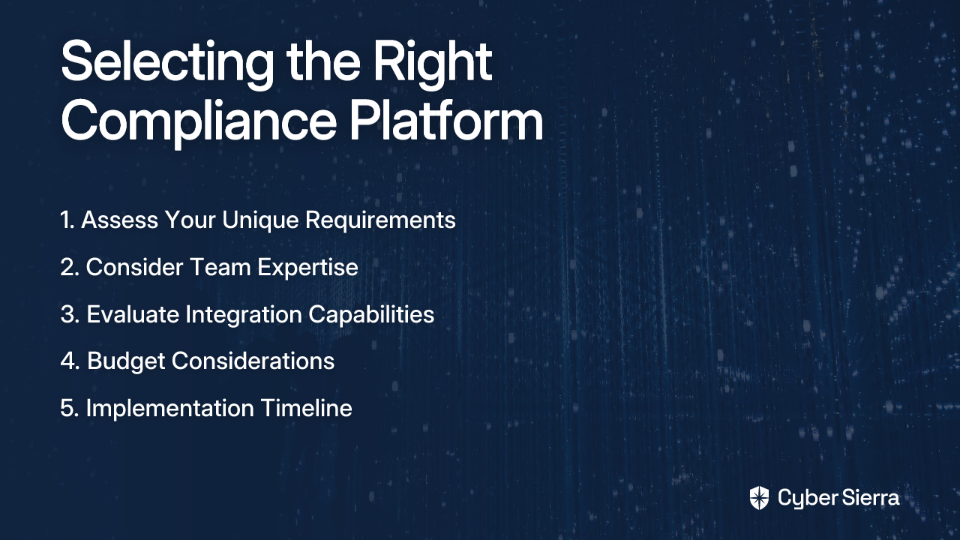
Selecting the appropriate compliance automation platform requires careful consideration of your organization's specific needs:
- Assess Your Unique Requirements: Are you primarily focused on HIPAA, or do you need to manage multiple frameworks like SOC 2 and ISO 27001? Smaller practices might prioritize ease of use, while larger organizations may need enterprise-scale solutions.
- Consider Team Expertise: Choose a platform that matches your team's technical skills. If you don't have dedicated compliance personnel, look for solutions with guided workflows and strong support.
- Evaluate Integration Capabilities: Ensure the platform integrates with your existing technology stack (EHR systems, cloud providers, HR systems) to enable seamless automation and evidence collection.
- Budget Considerations: While compliance automation represents an investment, weigh it against the costs of manual compliance management, potential regulatory fines, and the resources required for audit preparation.
- Implementation Timeline: Consider how quickly you need to establish or improve your compliance program. Some platforms offer rapid deployment options, while others may require more extensive configuration.
Conclusion
In today's evolving regulatory and threat landscape, leveraging compliance automation is no longer optional but a strategic necessity for healthcare organizations. The days of managing HIPAA compliance through disconnected spreadsheets and manual processes are giving way to integrated, automated approaches that provide continuous visibility.
Platforms like Cyber Sierra offer comprehensive, centralized solutions that enhance the compliance capabilities of healthcare organizations, enabling them to manage requirements effectively, reduce manual workload, and maintain a strong security posture. This is particularly valuable for small to mid-sized practices that don't have dedicated compliance teams but face the same regulatory requirements as larger institutions.
By embracing automation, healthcare providers can focus more on their primary mission—patient care—with the confidence that their compliance and security are continuously managed. In a sector where protecting patient trust is paramount, investing in the right compliance automation platform isn't just about avoiding penalties—it's about upholding the promise of confidentiality and security that forms the foundation of healthcare delivery.
Frequently Asked Questions
What is a HIPAA compliance automation platform?
A HIPAA compliance automation platform is a software solution that centralizes and streamlines tasks required for HIPAA compliance, such as risk assessments, policy management, employee training, and evidence collection. It replaces manual methods like spreadsheets with automated workflows, continuous monitoring, and real-time dashboards. This helps healthcare organizations maintain a consistent compliance posture, reduce human error, and stay audit-ready at all times.
Why is compliance automation important for healthcare?
Compliance automation is important for healthcare because it transforms compliance from a periodic, manual effort into a continuous, proactive process, significantly reducing the risk of data breaches and costly regulatory fines. Key benefits include enhanced risk management through ongoing monitoring, improved operational efficiency by reducing manual tasks, and the ability to manage multiple regulatory frameworks (like HIPAA, SOC 2, etc.) from a single, unified platform. This ensures patient data is consistently protected and frees up staff to focus on patient care.
How does automation help with HIPAA risk assessments?
Automation platforms help with HIPAA risk assessments by automatically collecting data from your systems, identifying potential vulnerabilities in real-time, and providing guided workflows to document and remediate risks. Instead of manually gathering evidence and tracking findings in spreadsheets, these platforms connect to your cloud infrastructure and other tools to continuously scan for misconfigurations, generate risk reports, and create action plans, ensuring a more accurate and efficient risk management process.
Are compliance automation platforms only for large hospitals?
No, compliance automation platforms are designed for healthcare organizations of all sizes, including small to mid-sized clinics and private practices. Many modern platforms are specifically built to help smaller organizations that lack dedicated compliance teams. They offer user-friendly interfaces, guided workflows, and scalable pricing that make robust compliance accessible without requiring enterprise-level resources.
What should I look for when choosing a compliance automation tool?
When choosing a compliance automation tool, you should look for a platform that supports the specific frameworks you need (like HIPAA and SOC 2), integrates with your existing technology stack (EHRs, cloud services), and matches your team's level of technical expertise. Key features to evaluate include continuous control monitoring, automated evidence collection, simplified vendor risk management for BAAs, and strong reporting capabilities.
How do these platforms manage Business Associate Agreements (BAAs)?
Compliance automation platforms manage Business Associate Agreements (BAAs) by centralizing all vendor documentation, automating risk assessments for third parties, and continuously monitoring their security posture. Specialized Third-Party Risk Management (TPRM) modules allow you to send security questionnaires, track BAA statuses, and receive alerts if a vendor's risk profile changes, replacing the manual process of tracking vendors in spreadsheets.