blog-hero-background-image
Cyber Security

Essential Network Security Practices

backdrop
Table of Contents

Join thousands of professionals and get the latest insight on Compliance & Cybersecurity.


Are you trying to secure a home lab from your family's malware-prone habits, or managing an SMB network with limited resources? You're not alone. Many feel overwhelmed by outdated security advice and don't know where to begin with protecting their networks.

The stakes are higher than ever. Cybercrime cost the world approximately $8 trillion in 2023, with malware attacks costing businesses an average of over $2.5 million per incident. With figures this staggering, effective network security is no longer optional—it's essential.

Here's the truth that experienced security professionals know: comprehensive network security isn't about finding a single perfect tool or solution. It's about implementing a layered cybersecurity strategy where multiple defensive measures work together. If one layer fails, others compensate to maintain your protection.

Perhaps most importantly, it's the fundamentals that matter most. According to Stanford research, 88% of data breaches are caused by human error. The most sophisticated security tools in the world can be rendered useless by a single weak password or an untrained user.

This guide provides a complete list of network security measures, organized in layers, to help you build a robust defense from the ground up—starting with the fundamentals that matter most.

The Foundational Layer: Access, Identity, and the Human Element

Security Awareness & User Training

The most effective security measure doesn't involve fancy technology at all—it's proper user training. This directly addresses the 88% of breaches caused by human error. As one security professional notes, "You train your users properly and you can lower that statistic drastically."

Focus your training on:

  • Recognizing social engineering and phishing attacks (which account for 98% of all cyber attacks)
  • Password safety and management
  • Data protection best practices
  • Secure online habits and browsing

Regular training sessions and periodic simulated phishing tests can dramatically improve your security posture with minimal investment.
Strong Authentication

Complex Passwords: Move beyond simple password rules. Effective passwords should be 15-20 characters long, using a mix of uppercase, lowercase, symbols, and numbers. Avoid using personal information or dictionary words. Consider implementing a password manager to help users maintain unique, complex passwords for each service.

Multi-Factor Authentication (MFA): This is non-negotiable in today's security landscape. MFA adds a crucial layer by requiring multiple forms of identification before granting access. As one security expert bluntly puts it: "Turn on MFA everywhere – seriously." Any service that offers MFA should have it enabled, especially for administrative accounts.

Access Management & Principle of Least Privilege

Implement the principle of least privilege by granting users only the access rights necessary for their specific job roles. This is typically enforced through Network Access Control (NAC) systems, which verify users and devices before granting network access.

A practical step that many organizations overlook is "removing local admin rights from users." This simple measure can prevent many types of malware from gaining a foothold in your systems.

Role-Based Access Control (RBAC) provides a framework for implementing least privilege by assigning permissions based on job responsibilities rather than on an individual basis. This makes access management more scalable and consistent.

Don't forget the basics: change all default admin passwords on network devices, routers, switches, and IoT devices. These are often the first things attackers check when probing a network.

The Perimeter Layer: Network Infrastructure and Architecture

Firewalls

Firewalls function as the first line of technical defense, filtering network traffic based on predetermined security rules. Best practice is to block all traffic by default and only permit known, necessary services.

Modern firewalls operate across multiple OSI layers:

  • Layer 3 (Network): Filters based on source/destination IP addresses
  • Layer 4 (Transport): Filters based on TCP/UDP port numbers
  • Layer 7 (Application): Web Application Firewalls (WAF) inspect application-level traffic like HTTP requests

For home lab and SMB environments, popular open-source solutions include pfSense and OPNSense. Hardware options like Ubiquiti devices also offer robust firewall capabilities with user-friendly interfaces.

Network Segmentation

Network segmentation is critical for containing breaches. If one segment is compromised, the others remain protected. This is especially important for home labs, where family devices might introduce vulnerabilities.

How to implement segmentation:

  • Use VLANs (Virtual Local Area Networks) to isolate different types of traffic
  • A common recommendation from experienced users is to "keep the homelab on a different VLAN or subnet" from the main family network
  • Implement a DMZ (Demilitarized Zone) to host any public-facing servers, isolating them from your internal network

Virtual Private Networks (VPNs)

VPNs are essential for securing remote access to your network. They encrypt internet connections, creating a secure tunnel for data transmission. The underlying encryption protocols (IPsec and SSL/TLS) ensure that data cannot be intercepted or modified in transit.

For additional perimeter security, consider implementing:

  • Network Address Translation (NAT) to mask internal private IP addresses from the public internet
  • Web filtering or proxy servers to block access to malicious websites and filter content

The Proactive Layer: Threat Prevention and Detection Systems

Intrusion Detection/Prevention Systems (IDS/IPS)

  • IDS (Detection): Monitors network traffic and logs/alerts on suspicious activity
  • IPS (Prevention): Actively blocks detected threats in real-time

Popular tools in this category include Snort and Suricata, which integrate well with firewalls like pfSense. As one user recommends: "PFsense firewall with Snort or Suricata for IDS/IPS" provides an effective combination for threat detection and prevention.

Anti-Malware and Endpoint Security

Comprehensive network security extends to individual devices. Deploy anti-malware software (such as Bitdefender, Avast) to monitor, scan for, and remove viruses, ransomware, spyware, and other malicious software.

Endpoint Security solutions provide broader protection for laptops, servers, and mobile devices, which are common entry points for attacks. These solutions typically include anti-malware capabilities plus additional features like device control, application control, and behavior monitoring.

Application Security & Patch Management

Vulnerabilities in software represent a primary attack vector. Keep all software and systems updated with the latest security patches. This is a key defense against ransomware, as noted by security professionals: "Keep software updated – a lot of ransomware attacks happen because of unpatched software."

Patch management should include:

  • Operating systems updates
  • Application updates
  • Firmware updates for network devices
  • Rapid response to zero-day vulnerabilities

The Data-Centric Layer: Protecting and Recovering Your Most Valuable Asset

Data Encryption

Encryption transforms your data into an unreadable format that can only be deciphered with the correct encryption key. Implement encryption for:

  • Data in transit: Ensure all web traffic uses HTTPS (HTTP Secure) with SSL/TLS encryption to prevent man-in-the-middle attacks
  • Data at rest: Encrypt sensitive data stored on servers, workstations, and mobile devices

Data Loss Prevention (DLP)

DLP software monitors network traffic and endpoints for sensitive data (such as credit card numbers, personal identifying information) and blocks unauthorized transfers. This technology helps prevent both malicious data theft and accidental data leakage by employees.

Backup and Disaster Recovery (BDR)

As one security professional bluntly states: "Ransomware is brutal, and if an attack happens, backups are often the only way to recover." Implement the 3-2-1 backup rule:
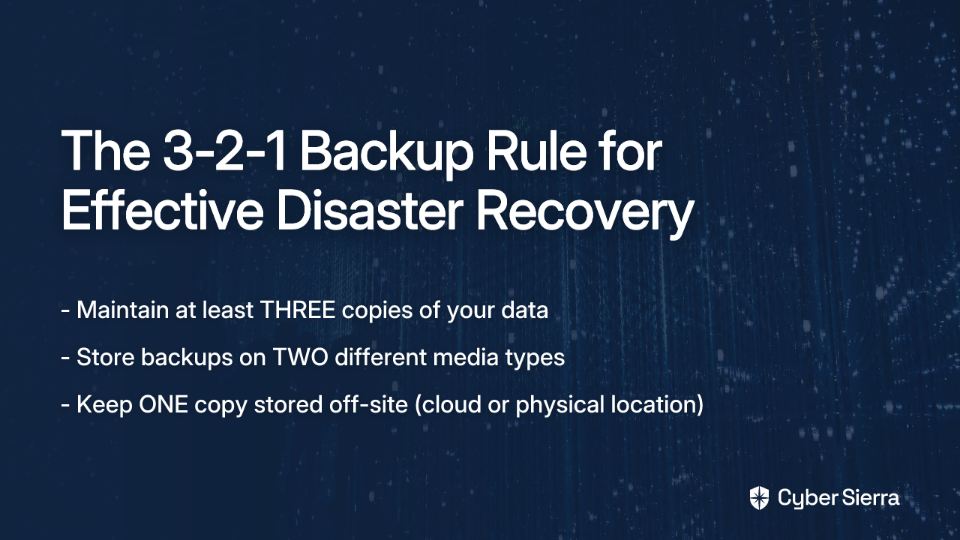
  • Maintain at least three copies of your data
  • Store backups on two different media types
  • Keep one copy stored off-site (cloud or physical location)

Regularly test your recovery procedures to ensure they work when needed. A backup that can't be restored is no backup at all.

Email Security

Email remains a primary attack vector for cybercriminals. In 2023 alone, over 176 billion phishing emails were sent. Implement technical controls like SPF, DKIM, and DMARC to authenticate email sources and prevent spoofing.

The Strategic Layer: Monitoring, Auditing, and Continuous Improvement

Security Information and Event Management (SIEM)

As one security professional notes, "blue team needs data: network logs, firewall logs, anything that shows comms from one place to another." A SIEM system collects, correlates, and analyzes log data from across your network (firewalls, servers, switches) to provide a single dashboard for threat detection and incident response.

Regular Auditing and Monitoring

  • Network Audits: Perform regular audits to identify new vulnerabilities
  • Baseline Monitoring: Establish a baseline of normal network activity to more easily spot anomalies that could indicate a threat
  • Honeypots: Consider setting up decoy systems to lure and study attackers' methods without risking real assets

Incident Response (IR) Plan

Don't wait for a breach to figure out how to respond. Develop a formal, actionable plan that outlines steps for identifying, containing, eradicating, and recovering from a security incident.

Stay Vigilant

Comprehensive network security is an ongoing process built on multiple, reinforcing layers. It's not about finding one perfect tool, but about creating a resilient system where defense mechanisms work together.

Remember that the most advanced security tools can be undermined by a single weak password or an untrained user. Start by mastering the fundamentals: implement strong authentication (MFA everywhere), train your users, segment your network, and ensure you have a tested backup plan.

Use this list as a checklist to identify your weakest security layer and start strengthening it today. Building a strong security posture is a marathon, not a sprint—but every step you take improves your protection against increasingly sophisticated threats.

Frequently Asked Questions (FAQ)

What is the most important first step to improve network security?

The most important first step is to enable Multi-Factor Authentication (MFA) on all accounts that support it and provide security awareness training to all users. This combination directly addresses the human element, which is responsible for up to 88% of data breaches. By securing access and educating users about threats like phishing, you build a strong foundational layer of defense.

Why is a layered security approach necessary?

A layered security approach is necessary because no single security measure is foolproof. It creates a "defense-in-depth" strategy where multiple defensive measures work together. If one layer fails, such as a firewall, other layers like an Intrusion Detection System (IDS) or endpoint anti-malware are still in place to protect your network, making it far more resilient to attacks.

How can I segment my network at home or in a small business?

The most common way to segment a network is by using Virtual Local Area Networks (VLANs) to create isolated sections. You can assign different device types to separate VLANs, such as one for trusted work computers, another for less secure IoT devices or family devices, and a separate one for guest access. This contains potential breaches and prevents an infection on one segment from spreading to others.

What is the "principle of least privilege" and how do I apply it?

The principle of least privilege means giving users and systems only the minimum levels of access or permissions necessary to perform their specific tasks. A simple and highly effective way to apply this is by removing local administrator rights from standard user accounts. This significantly limits the potential damage from a compromised account, as an attacker's ability to install malware or access sensitive data is severely restricted.

Why are backups so critical for network security?

Backups are critical because they are often the only way to recover your data after a destructive cyber attack like ransomware without paying a ransom. In the event your data is encrypted, stolen, or destroyed, a tested and reliable backup ensures you can restore your systems and maintain business continuity. Following the 3-2-1 backup rule (three copies, on two different media, with one off-site) is a best practice.

What are some good open-source security tools for a home lab or SMB?

For a powerful firewall, pfSense and OPNSense are excellent open-source solutions that can run on dedicated hardware or a virtual machine. For Intrusion Detection and Prevention Systems (IDS/IPS), Snort and Suricata are popular choices that can be integrated directly with firewalls like pfSense to monitor and block malicious traffic in real-time.
blog-hero-background-image
Cyber Security

Ultimate Guide to Security Incident Management in an Organization

backdrop
Table of Contents

Join thousands of professionals and get the latest insight on Compliance & Cybersecurity.


You've just discovered unauthorized access to your company's sensitive data server. Your heart races as you realize this could lead to a massive data breach that might cost millions, damage your reputation, and potentially violate multiple regulations. What do you do next? This is precisely where effective security incident management becomes crucial.

In today's digital landscape, organizations face an ever-growing array of cyber threats. With the incident response market projected to grow from $11.05 billion in 2017 to $33.76 billion by 2023 (Market Data), understanding how to manage security incidents has become a critical business function rather than just an IT concern.

What is Security Incident Management?

Security incident management is the systematic process of detecting, analyzing, managing, and responding to security threats to minimize damage and restore business continuity. It's the organized approach that helps organizations prepare for, identify, contain, and recover from security breaches while preventing similar incidents in the future.

The process typically involves four main stages:

  • Identify: Detecting potential security incidents
  • Analyze: Determining the nature and severity of the incident
  • Mitigate: Containing and eradicating the threat
  • Restore: Returning systems to normal operation

Many organizations struggle with fundamental aspects of incident management, including confusion between IT Service Management (ITSM) and Security Incident Management. As one security professional noted, "ITSM and Security Incident Reports are two similar but entirely different things" (Reddit Discussion). This confusion can lead to misclassification of incidents and ineffective responses.

Why Security Incident Management Matters

The consequences of inadequately managed security incidents can be devastating:

  • Operational Disruption: Systems may go offline, halting business operations
  • Financial Loss: The average cost of a data breach reached $4.45 million in 2023
  • Reputational Damage: Customer trust, once lost, is difficult to regain
  • Legal Consequences: Regulatory penalties and lawsuits often follow security breaches
  • Long-term Business Impact: Some businesses never fully recover from major security incidents

Effective security incident management ensures rapid recovery, continuity of operations, and protection of sensitive data. It also helps organizations meet their regulatory and contractual obligations, as "most large companies have regulatory and contractual requirements for notifying when an incident is declared" (Reddit Discussion).

Common Types of Security Incidents

Understanding the most common types of security incidents helps organizations prepare appropriate response strategies:

  1. Social Engineering Attacks: These attacks trick people into breaking security protocols or revealing sensitive information. They account for approximately 90% of all cyberattacks, with phishing being the most common method.
  2. Ransomware and Malware: Malicious software that encrypts data or disrupts systems, often demanding payment for restoration. Ransomware costs topped $1 billion in 2023, with businesses of all sizes being targeted.
  3. Password Attacks: These include brute force attempts, credential stuffing, and password spraying to gain unauthorized access to accounts.
  4. Advanced Persistent Threats (APTs): Long-term targeted attacks where threat actors maintain a persistent presence in a network to steal data over extended periods.
  5. Insider Threats: Security incidents caused by employees, contractors, or business partners who misuse their authorized access, whether intentionally or unintentionally.

One challenge many security teams face is defining what constitutes an incident. As one security professional put it, "To avoid an enormous amount of recurring, low concern incidents to report and document, has anyone here further refined their definition of an incident to include only the 'real' scary stuff?" (Reddit Discussion). The most common approach is defining incidents as "anything that negatively impacts CIA" (Confidentiality, Integrity, and Availability).

The Security Incident Management Process

A well-structured security incident management process follows these essential steps:

1. Preparation

Before incidents occur, organizations must:

  • Develop comprehensive incident response plans and policies
  • Define clear roles and responsibilities
  • Implement monitoring tools and detection mechanisms
  • Train staff on security awareness and incident reporting
  • Establish communication channels and escalation procedures

2. Detection and Analysis

This phase involves:

  • Monitoring systems for suspicious activities using SIEM (Security Information and Event Management) tools
  • Analyzing alerts and potential incidents
  • Classifying incidents based on severity and impact
  • Documenting initial findings

3. Containment

Once an incident is confirmed, immediate steps include:

  • Implementing short-term containment measures to limit damage
  • Isolating affected systems
  • Preserving evidence for later analysis
  • Implementing long-term containment strategies

4. Eradication

This phase focuses on:

  • Removing malware, vulnerabilities, or other threats
  • Patching systems and closing security gaps
  • Enhancing security controls to prevent similar incidents
  • Verifying that threats have been eliminated

5. Recovery

After the threat is neutralized:

  • Restore systems and data from clean backups
  • Implement additional security measures
  • Validate system integrity
  • Return to normal operations in a controlled manner

6. Post-Incident Review

The final phase includes:

  • Conducting a thorough analysis of the incident
  • Documenting lessons learned
  • Updating incident response plans
  • Implementing improvements to prevent similar incidents

"The objective of the Incident Response program is to respond quickly and effectively to threats which have the potential to disrupt business-related activities," notes a security professional in one discussion (Reddit).

Best Practices for Effective Security Incident Management

Clear Definition of Security Incidents

Many organizations struggle with defining what constitutes a security incident. Your security policies should clearly define an incident, including "how it is detected, the roles of people in the organization, and how each role responds to the incident" (Reddit Discussion). This prevents both overreporting of minor issues and underreporting of significant threats.

Centralized Incident Management System

Implement a dedicated platform for tracking and managing security incidents. Many organizations find that "ServiceNow have modules/possibilities to incorporate these differences and tie them to your services" (Reddit). This approach ensures proper documentation, tracking, and reporting of incidents.

Defined Roles and Responsibilities

Establish clear roles within your incident response team:

  • Incident Manager: Coordinates the overall response
  • Technical Lead: Directs technical investigation and remediation
  • Communications Lead: Manages internal and external communications
  • Legal Advisor: Ensures compliance with legal requirements
  • Executive Sponsor: Provides authority and resources

Regular Training and Simulations

Conduct tabletop exercises and simulations to test your incident response capabilities. These exercises help identify gaps in your process and ensure team members understand their roles during an actual incident.

Structured Communication Plan

Develop templates and protocols for communicating about incidents:

  • Internal notifications to stakeholders and employees
  • External communications to customers, partners, and the public
  • Regulatory notifications when required by law

Integration with Business Continuity

Align security incident management with your business continuity and disaster recovery plans to ensure a coordinated response that maintains critical business functions.

Tools for Security Incident Management

Several tools can enhance your security incident management capabilities:

  1. SIEM Solutions: Systems like IBM QRadar, Splunk, and LogRhythm provide real-time analysis of security alerts from applications and network hardware.
  2. Security Orchestration, Automation, and Response (SOAR): Platforms like Palo Alto Networks Cortex XSOAR and Swimlane automate incident response workflows.
  3. Ticketing Systems: ServiceNow, JIRA, and other platforms help track incidents throughout their lifecycle.
  4. Communication Tools: Dedicated communication channels like Slack or Microsoft Teams facilitate rapid team coordination.
  5. Documentation Systems: Wikis or knowledge bases store procedures, templates, and lessons learned.

Addressing Common Challenges

Security vs. IT Service Management

A common challenge is confusion between ITSM and security incident management. As one professional explains, "ITSM goals are different than SOC goals" (Reddit). While they may use similar tools, security incidents require specialized handling, different metrics, and often stricter confidentiality.

Balancing Thoroughness with Efficiency

Organizations must strike a balance between comprehensive incident documentation and operational efficiency. Focus on creating streamlined processes that capture essential information without overwhelming responders.

Regulatory Compliance

Security incidents often trigger regulatory reporting requirements under frameworks like GDPR, HIPAA, or industry-specific regulations. Ensure your incident management process includes steps to identify and fulfill these obligations.

Conclusion

Effective security incident management is no longer optional in today's threat landscape—it's essential for organizational resilience. By implementing a structured approach that includes clear definitions, well-defined processes, appropriate tools, and regular training, organizations can minimize the impact of security incidents and maintain business continuity.

Remember that security incident management is an ongoing process that requires continuous improvement. Learn from each incident, update your procedures accordingly, and stay informed about emerging threats and best practices.

Frequently Asked Questions (FAQ)

What is the first step in security incident management?

The most critical first step in security incident management is preparation. Before an incident occurs, your organization must establish a comprehensive incident response plan, define clear roles and responsibilities, implement detection tools, and train staff. This proactive foundation ensures you can respond swiftly and effectively when a real threat emerges.

How is security incident management different from IT service management (ITSM)?

Security incident management focuses on responding to malicious threats and breaches to protect the organization, whereas IT service management (ITSM) is about restoring normal service operations for day-to-day IT issues. While both may use ticketing systems, security incidents require specialized handling focused on containment, threat eradication, and confidentiality, often with significant legal and regulatory implications that are not present in standard ITSM workflows.

What are the most common types of security incidents?

The most common types of security incidents an organization faces are social engineering attacks (like phishing), ransomware and malware infections, password attacks, and insider threats. Phishing remains a dominant vector, tricking users into giving up credentials. Ransomware can halt operations by encrypting data, while various password attacks aim to brute-force access to sensitive systems.

Who should be on a security incident response team?

A well-rounded security incident response team typically includes an Incident Manager (to coordinate the response), a Technical Lead (to direct investigation), a Communications Lead (to manage internal and external messaging), a Legal Advisor (to ensure compliance), and an Executive Sponsor (to provide authority and resources). The exact composition can vary based on the organization's size and industry.

Why is a post-incident review important?

A post-incident review is vital because it allows an organization to learn from the incident and prevent similar events in the future. By analyzing the entire response process—from detection to recovery—the team can identify weaknesses in security controls, policies, or procedures. The documented lessons learned are then used to update the incident response plan and strengthen the organization's overall security posture.

How often should an organization test its incident response plan?

An organization should test its incident response plan at least annually or whenever significant changes occur to the IT environment, business operations, or personnel. Regular testing, through methods like tabletop exercises or full-scale simulations, ensures the plan remains current and that team members are prepared to execute their roles effectively under pressure.

blog-hero-background-image
Cyber Security

Mastering Risk Scoring Methodology in Cybersecurity

backdrop
Table of Contents

Join thousands of professionals and get the latest insight on Compliance & Cybersecurity.


You've just identified a potential threat to your organization - perhaps it's a cybersecurity vulnerability, a financial risk, or a compliance issue. But how do you determine if this risk deserves immediate attention or can be addressed later? This is where risk scoring comes into play.

Understanding Risk Scores

A risk score is a numerical representation of the potential impact and likelihood of risks faced by an organization. It transforms subjective assessments into objective data, allowing teams to prioritize threats and allocate resources effectively.

"Our cyber team just slap a Low on most issues and wait for audit to argue it up 🙃," laments one cybersecurity professional on Reddit. This common frustration highlights why proper risk scoring matters - without a systematic approach, organizations end up with inconsistent, reactive risk management.

Risk scores serve as the foundation of effective risk management by:

  • Providing a standardized way to compare different types of risks
  • Enabling data-driven decision making about which threats to address first
  • Creating a common language for discussing risk across departments
  • Justifying resource allocation for risk mitigation efforts

Types of Risk Scores

Risk scores typically fall into two main categories:

Internal Risk Scores

These assess risks originating from within your organization, including:

  • Human error (such as accidental data leaks)
  • Inadequate structural organization or processes
  • Asset loss or damage to company property

External Risk Scores

These evaluate risks from outside factors, including:

  • Natural disasters (hurricanes, earthquakes)
  • Economic fluctuations (recessions, market changes)
  • Cyber attacks from external threat actors

Understanding the source of your risks helps determine the appropriate mitigation strategies. As one security professional noted, "you definitely want to prioritize internet-facing assets. Your risk of exploitation goes way up since your threat actors become anyone in the world instead of insider threats."

How to Calculate a Risk Score

Despite various methodologies available, the basic formula for risk calculation remains consistent:

Risk Score = Probability of Event × Magnitude of Loss

Let's break down the process into manageable steps:

Step 1: Identify Risks

First, you need to identify what risks your organization faces. This should be an ongoing process, not a one-time event.

  • Conduct regular risk assessment meetings
  • Involve stakeholders from different departments
  • Review past incidents and near-misses
  • Consider industry-specific threats

Step 2: Run a Risk Analysis

For each identified risk, you'll need to assess both its likelihood and potential impact.

Probability Ratings:

  • High (80%-100%): Almost certain to occur
  • Medium-High (60%-80%): Likely to occur
  • Medium-Low (30%-60%): Might occur
  • Low (0%-30%): Unlikely to occur

Impact Ratings:

  • High to Catastrophic (Rating A - 100): Severe damage to organization
  • Medium to Critical (Rating B - 50): Significant but manageable damage
  • Low to Marginal (Rating C - 10): Minor impact on operations

"You want floors and ceilings," notes a risk manager on Reddit. "I'd never want a low to become a crit or a crit to become a low, no matter the context." This underscores the importance of consistent rating thresholds.

Step 3: Calculate the Risk Score

Once you've determined probability and impact, multiply them together to get your risk score.

Example Calculation: Consider a potential data breach:

  • Likelihood = 0.8 (high probability)
  • Impact = Financial loss of $1 million
  • Risk Score = 0.8 × $1,000,000 = $800,000

This quantitative approach gives you a specific dollar value for the risk, which can be extremely useful for cost-benefit analysis of mitigation strategies.

Common Risk Scoring Methods

Qualitative Risk Scoring

This approach uses subjective evaluations based on scales like low, medium, and high. It's useful when:

  • Quantitative data is scarce
  • You need quick assessments
  • The focus is on relative risk comparison

Quantitative Risk Scoring

This method leverages numerical data and statistical analysis to produce objective measures. It's preferred when:

  • You have sufficient historical data
  • Precision is critical for decision-making
  • Financial justification is required

Industry Standard Frameworks

Several formalized methodologies exist for risk scoring:

NIST 800-30

Developed by the National Institute of Standards and Technology, this framework provides a structured approach to risk assessment and scoring. It's particularly popular in government and regulated industries.

Common Vulnerability Scoring System (CVSS)

CVSS provides a standardized method for rating the severity of security vulnerabilities. It uses metrics across three groups—base, temporal, and environmental—to calculate a score from 0 to 10.

OpenFAIR

The Factor Analysis of Information Risk (FAIR) model provides a framework for understanding, analyzing, and measuring information risk. It's more complex but delivers robust quantitative measures.

As one security professional explains: "The way DoD does it at the vulnerability level is: Raw Severity + Technical Mitigations + Pre-disposing conditions = Severity." This demonstrates how organizations adapt frameworks to their specific needs.

Practical Applications of Risk Scoring

Risk scores are utilized across various sectors:

Cybersecurity

In cybersecurity, risk scores help prioritize vulnerability remediation efforts. "This allows me to prioritize systems for remediation," notes one security professional, highlighting the practical value of risk scoring.

When assessing cybersecurity risks, organizations often consider:

  • Vulnerability severity (VS)
  • Business operations impact (BOI)
  • Presence of "crown jewels" data (like PII)
  • Whether systems are internet-facing

Financial Services

Banks and financial institutions use risk scores to:

  • Evaluate credit risks for loans
  • Assess investment opportunities
  • Manage compliance risks
  • Detect fraudulent activities

Healthcare

Healthcare organizations implement risk scores to:

  • Evaluate patient safety risks
  • Assess compliance with regulations like HIPAA
  • Manage data security for sensitive medical information

Best Practices for Risk Scoring

To implement effective risk scoring in your organization:

1. Use a Balanced Approach

Combine qualitative and quantitative methods for a more comprehensive risk assessment. While numbers are important, human judgment remains essential.

"Humans will always be needed for assessing high severity high blast radius vulns," notes one cybersecurity expert, emphasizing that automation can't replace experience and judgment.

2. Establish Consistent Criteria

Create clear guidelines for rating likelihood and impact to ensure consistency across assessments. Document these criteria and train your team on their application.

3. Make Risk Scores Actionable

"If you're not following through by managing those risks, I don't know what to tell you," says one frustrated risk manager. Ensure your risk assessment process includes:

  • Clear risk thresholds that trigger actions
  • Assigned owners for each identified risk
  • Specific mitigation strategies
  • Regular reviews of risk status

4. Document Everything

Maintain detailed records of your risk assessments, including:

  • Methodology used
  • Assumptions made
  • Data sources
  • Calculation details
  • Rationale for decisions

Conclusion

Risk scores provide a systematic way to evaluate and prioritize the threats facing your organization. By implementing a structured risk scoring methodology, you transform subjective assessments into quantifiable metrics that enable informed decision-making.

The traditional reactive approach where teams "slap the highest [risk rating] and let the cost of controls drive the org to do the work to assess in the effort to lower the rating" is giving way to more proactive strategies. As one expert notes, a more thoughtful, systematic approach to risk scoring is "a much more sustainable strategy."

Remember that risk scoring is not just a compliance checkbox—it's a crucial tool for protecting your organization's assets, reputation, and future. When implemented correctly, it ensures that your limited resources are directed toward the risks that truly matter.

Frequently Asked Questions (FAQ)

What is a risk score?

A risk score is a numerical value assigned to a risk that represents its potential impact and likelihood. It quantifies the severity of a risk, transforming subjective assessments into objective data. This allows organizations to prioritize threats more effectively and allocate resources where they are most needed.

Why is risk scoring important for my organization?

Risk scoring is important because it provides a standardized and objective way to evaluate and compare different risks. This enables data-driven decision-making, helps create a common understanding of risk across departments, justifies resource allocation for mitigation, and ultimately strengthens your organization's overall risk management posture.

How is a basic risk score calculated?

A basic risk score is typically calculated by multiplying the probability (or likelihood) of a risk event occurring by the magnitude (or impact) of its potential loss or damage. The formula is: Risk Score = Probability of Event × Magnitude of Loss. This involves first identifying risks, then assessing their likelihood and potential impact using defined scales.

What are the main differences between qualitative and quantitative risk scoring?

The main differences lie in their approach to evaluation and the type of data used. Qualitative risk scoring uses subjective, descriptive scales (e.g., low, medium, high) based on expert judgment and is useful for quick assessments when numerical data is scarce. Quantitative risk scoring, on the other hand, uses numerical data and statistical analysis to produce objective, measurable values (e.g., monetary loss) and is preferred when precision and financial justification are critical.

Which common frameworks can help with risk scoring?

Several common frameworks can guide risk scoring, including NIST 800-30, CVSS, and OpenFAIR. NIST 800-30 provides a structured approach for general risk assessment. The Common Vulnerability Scoring System (CVSS) is widely used for rating the severity of cybersecurity vulnerabilities. OpenFAIR (Factor Analysis of Information Risk) offers a more complex model for quantitatively analyzing information risk.

How can I ensure my organization's risk scores are actionable?

To ensure risk scores are actionable, you should establish clear risk thresholds that trigger specific actions or responses. Additionally, assign ownership for each identified risk, define clear mitigation strategies, and regularly review and update risk statuses. Documenting the entire process is also crucial for consistency and accountability.

Further Reading

blog-hero-background-image
Cyber Security

Top Cyberspace Challenges Organizations Face in the Post-AI Era

backdrop
Table of Contents

Join thousands of professionals and get the latest insight on Compliance & Cybersecurity.


You've invested heavily in digital transformation, building robust systems to protect your organization's crown jewels. But suddenly, your security team alerts you to a breach that bypassed all your defenses using AI-powered techniques so sophisticated they initially flew under the radar. The attackers gained access through a convincing phishing email that mimicked your CEO's writing style perfectly—courtesy of generative AI. Now you're facing not just a data breach, but a crisis of confidence among stakeholders.

This scenario is becoming increasingly common as we enter what experts are calling the "post-AI era" of cybersecurity. Organizations everywhere are grappling with an evolving threat landscape where artificial intelligence serves as both sword and shield.

The Evolving Cyberspace Battlefield

The cybersecurity landscape has fundamentally transformed with AI's mainstream adoption. According to Cisco, cybersecurity now extends beyond simply protecting systems and networks—it encompasses safeguarding entire digital ecosystems against sophisticated attacks aimed at accessing, altering, or destroying sensitive information.

What makes today's cyberspace challenges particularly daunting is the dual nature of AI technology. The same innovations that strengthen security postures are simultaneously being weaponized by threat actors to create more effective attack vectors.

"For myself; I see it [AI] as just another tool. For others; it could be a security disaster by putting confidential information into the AI, or be pulling out bad data," notes one cybersecurity professional in an online discussion about AI's significance in cybersecurity.

Key Cyberspace Challenges in the Post-AI Era

1. Exponentially Expanded Attack Surface

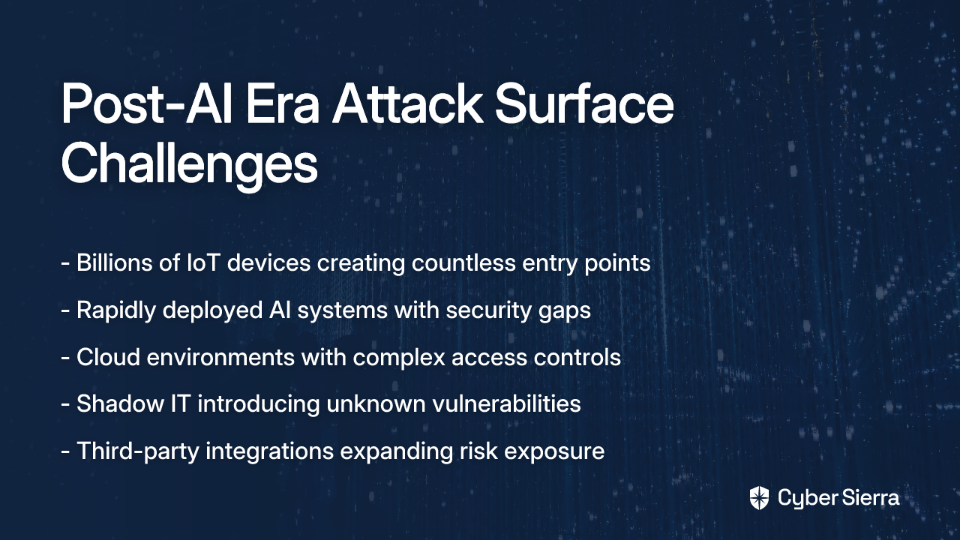
The proliferation of connected devices has created an unprecedented attack surface for organizations to defend. Consider these statistics:

  • IoT devices are expected to number 29.4 billion by 2027, significantly outnumbering people on the planet
  • Each device represents a potential entry point for attackers
  • Organizations struggle to maintain visibility across this vast digital footprint

The challenge is compounded by the rapid adoption of AI systems themselves, which introduce additional vulnerabilities when improperly secured. As organizations rush to integrate AI capabilities, they often overlook fundamental security considerations.

2. AI-Enhanced Attack Sophistication

Perhaps the most alarming cyberspace challenge is the dramatic increase in attack sophistication enabled by artificial intelligence. Cybercriminals are leveraging AI to develop more effective methods of breaching defenses.

"It's easier for bad actors to make more believable phishing mails, so the amount of them increases," explains one security expert in a Reddit discussion. This observation is supported by data from McKinsey, which reports phishing attacks have increased by an astonishing 1200% since late 2022, coinciding with the widespread availability of advanced AI language models.

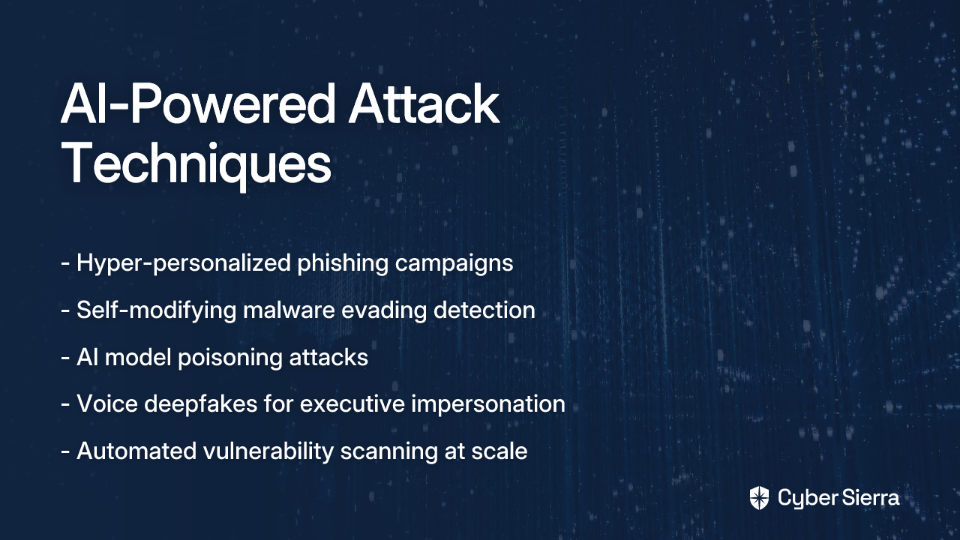
These AI-powered attacks include:

  • Hyper-personalized phishing campaigns that analyze targets' writing styles and social media presence to craft messages indistinguishable from legitimate communications
  • AI-driven malware capable of evading traditional detection methods by dynamically altering its code
  • Poisoning of AI models to manipulate their outputs, particularly concerning when these models are used for security monitoring
  • Voice deepfakes being used to impersonate executives in social engineering attacks

The MITRE ATLAS framework has documented numerous real-world cases where machine learning has been weaponized to enhance attack capabilities, creating cyberspace challenges that traditional security approaches struggle to address.

3. The Insider Threat Dilemma

While outside attacks receive significant attention, insider threats remain one of the most serious cyberspace challenges organizations face—now amplified by AI capabilities.

Consider the case from 2022 where a trusted employee used AI tools to efficiently identify and exfiltrate proprietary data from their employer, resulting in millions in damages. The employee leveraged their legitimate access and understanding of the organization's data structures to train an algorithm that could identify high-value information.

The dual challenges here include:

  • Difficulty in distinguishing between legitimate AI-assisted work and malicious activity
  • The potential for well-meaning employees to inadvertently leak sensitive information to AI systems
  • AI capabilities that allow malicious insiders to automate and scale their activities

"C-Suite were convinced this was their chance to half the head count. They went so far as to openly discuss how they used AI to code their own product and that soon all departments will be run by an AI head," shared one employee, highlighting how AI adoption decisions can affect organizational culture and potentially create disgruntled insiders.

4. Ransomware Evolution

Ransomware attacks continue to pose significant cyberspace challenges, with AI driving their evolution in concerning ways. Modern ransomware operations leverage AI for:

  • Target identification and vulnerability scanning at unprecedented scale
  • Determination of optimal ransom amounts based on organizational data
  • Evasion of security controls through intelligent adaptation
  • Automation of the attack chain from initial access to data exfiltration

These enhanced capabilities make ransomware more effective while requiring fewer human resources from the attackers' side, resulting in more frequent and damaging attacks against organizations of all sizes.

5. AI Governance and Compliance Gaps

The rapid advancement of AI technologies has outpaced regulatory frameworks, leaving organizations to navigate cyberspace challenges related to governance and compliance largely on their own.

Key issues include:

  • Lack of standardized security practices for AI deployments
  • Uncertainty regarding liability when AI systems are compromised
  • Challenges in demonstrating compliance with existing regulations when using AI
  • Difficulty ensuring AI model integrity and preventing data poisoning

While frameworks like ISO 42001 and the NIST AI Risk Management Framework are emerging, many organizations are still operating in a regulatory gray area when it comes to AI security.

Strategies for Overcoming Post-AI Cyberspace Challenges

Despite these formidable challenges, organizations can take proactive steps to enhance their security posture in the post-AI era:

1. Implement AI-Powered Security Solutions

Just as attackers leverage AI, defenders must embrace these technologies to level the playing field. Effective measures include:

  • Deploying Security Information and Event Management (SIEM) and Security Orchestration, Automation and Response (SOAR) platforms with AI capabilities for real-time threat detection
  • Utilizing AI-based anomaly detection systems to identify potential insider threats based on behavioral analysis
  • Implementing AI-powered email security tools that can detect sophisticated phishing attempts
  • Adopting zero-day vulnerability prediction tools that leverage machine learning

According to Morgan Stanley research, organizations that successfully integrate AI into their security operations can reduce incident response times by up to 60% while significantly improving threat detection accuracy.

2. Adopt a Zero Trust Architecture

The expanded attack surface and sophisticated threat landscape demand a fundamental rethinking of security architecture. Zero Trust principles are particularly effective in addressing post-AI cyberspace challenges:

  • Verify explicitly: Authenticate and authorize based on all available data points
  • Use least privilege access: Limit user access to only what is needed
  • Assume breach: Operate under the assumption that a breach has already occurred

As Cisco explains, "Zero Trust is a comprehensive approach to securing all access across your networks, applications, and environment. It helps secure access from users, end-user devices, APIs, IoT, microservices, containers, and more."

3. Develop Comprehensive AI Governance Frameworks

Organizations must establish clear governance structures for AI implementation that address security concerns:

  • Create and enforce policies regarding what data can be shared with AI systems
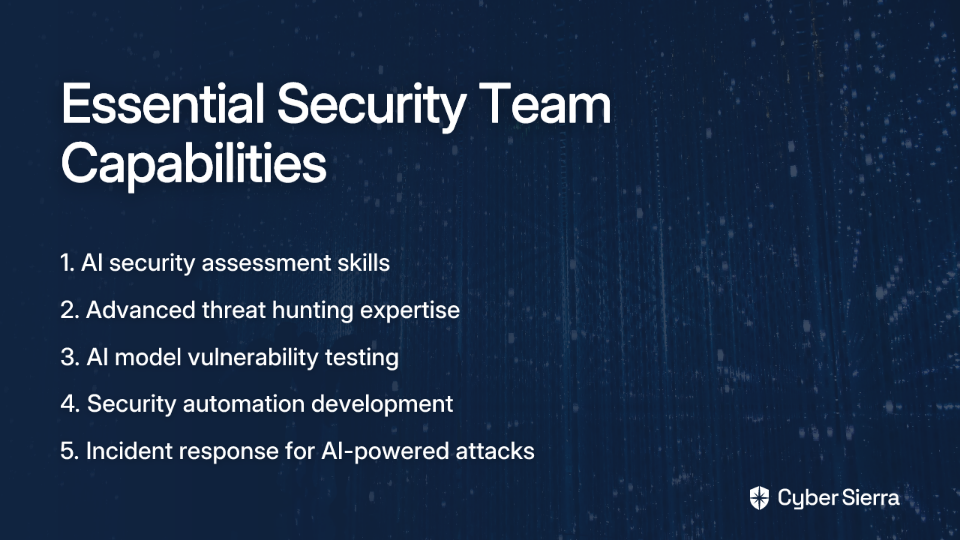
  • Implement regular security assessments specifically focused on AI deployments
  • Establish incident response plans that address AI-specific attack vectors
  • Maintain human oversight of critical AI-based security decisions

"If you have to ask 'where can we use this' then you're not ready to use it," notes one cybersecurity professional, highlighting the importance of strategic planning before AI deployment.

4. Invest in Human Expertise and Training

Despite AI's capabilities, human expertise remains essential in addressing cyberspace challenges:

  • Provide regular security awareness training that covers AI-specific threats
  • Develop specialized skills in AI security among security team members
  • Maintain human review of AI-generated security alerts to reduce false positives
  • Create a security culture that encourages reporting of suspicious activities

Industry experts anticipate "experienced devs [will] go in ultra high demand to fix AI generated slop code created by fly by night firms," underscoring that technical expertise will remain valuable despite automation.

Conclusion

The post-AI era presents unprecedented cyberspace challenges for organizations of all sizes. The dual nature of AI as both a powerful security tool and a sophisticated weapon in attackers' arsenals requires a fundamental reassessment of cybersecurity strategies.

By understanding these evolving challenges and implementing comprehensive defense mechanisms that combine AI capabilities with human expertise, organizations can navigate the complex threat landscape more effectively. The key lies in approaching AI not as a silver bullet, but as a powerful tool that must be wielded responsibly and secured appropriately.

As we move deeper into this new era, the organizations that thrive will be those that maintain vigilance, adapt quickly to emerging threats, and recognize that in the battle between AI-powered attackers and defenders, the human element remains irreplaceable.

Frequently Asked Questions

What defines the "post-AI era" in cybersecurity?

The "post-AI era" in cybersecurity refers to the current period where artificial intelligence has become a significant factor for both attackers and defenders. It signifies a landscape where AI tools are readily available and actively used to develop sophisticated cyberattacks, while also being crucial for creating advanced defense mechanisms. This era is characterized by an evolving threat landscape where AI's dual-use nature—as both a weapon and a shield—necessitates new security strategies.

How is AI making cyberattacks more sophisticated?

AI enhances cyberattack sophistication by enabling attackers to create more effective and evasive methods. For example, AI can generate hyper-personalized phishing emails that mimic specific writing styles, develop malware that dynamically alters its code to evade detection, and even create voice deepfakes for social engineering. These AI-powered tools allow for attacks that are more targeted, harder to detect, and can be deployed at a larger scale.

Why has AI increased the risk of insider threats?

AI has increased the risk of insider threats by providing tools that can automate and scale malicious activities, and by making it harder to distinguish between legitimate AI-assisted work and harmful actions. Malicious insiders can use AI to efficiently identify and exfiltrate sensitive data. Furthermore, even well-meaning employees might inadvertently leak confidential information by inputting it into unsecured AI systems, adding another layer to the insider threat challenge.

What are key strategies to defend against AI-driven cyber threats?

Key strategies include implementing AI-powered security solutions, adopting a Zero Trust architecture, developing comprehensive AI governance frameworks, and investing in human expertise and training. AI-powered tools can help detect and respond to threats faster, while Zero Trust minimizes potential damage by restricting access. Strong governance ensures AI is used safely, and skilled personnel are crucial for managing these new technologies and responding to evolving threats.

How does a Zero Trust architecture help in the post-AI era?

A Zero Trust architecture helps by significantly reducing the attack surface and limiting the potential impact of a breach in an environment where AI-driven threats are prevalent. It operates on the principle of "never trust, always verify," meaning every access request is authenticated and authorized before granting access, regardless of whether it originates from inside or outside the network. This approach is critical when AI can be used to compromise traditional perimeter defenses or user credentials.

Can AI also be used to improve cybersecurity defenses?

Yes, AI is a powerful tool for improving cybersecurity defenses by enhancing threat detection, response times, and overall security posture. AI-powered security solutions like SIEM and SOAR platforms can analyze vast amounts of data to identify anomalies and potential threats in real-time. AI can also predict zero-day vulnerabilities, detect sophisticated phishing attempts, and automate responses to security incidents, helping organizations stay ahead of AI-wielding attackers.

What are the main challenges in AI governance for cybersecurity?

The main challenges in AI governance include the lack of standardized security practices for AI deployments, uncertainty regarding liability when AI systems are compromised, and difficulties in ensuring AI model integrity against attacks like data poisoning. Organizations also struggle with demonstrating compliance with existing regulations when using AI and establishing clear policies on data usage with AI systems. The rapid evolution of AI technology often outpaces the development of comprehensive regulatory frameworks.

For more information on developing comprehensive cyber defense strategies, explore Cisco's Cyber Threat Trends Report and Sprinto's guidelines for creating an effective Cybersecurity Incident Response Plan.

blog-hero-background-image
Cyber Security

Complete Guide to Cyber Risk Modeling

backdrop
Table of Contents

Join thousands of professionals and get the latest insight on Compliance & Cybersecurity.


You've set up state-of-the-art security controls, trained your employees on best practices, and implemented all the recommended security tools. Yet, you still find yourself wondering: "How vulnerable are we to a cyberattack? What would a breach actually cost us? And how do I explain these risks to the board in terms they'll understand?"

If you're struggling with these questions, you're not alone. Many security professionals find it challenging to translate complex cyber threats into quantifiable business risks. The distinction between information security risks and broader organizational risks often blurs, leaving you uncertain about how to properly assess and communicate your company's risk posture.

Understanding Cyber Risk Modeling

Cyber risk modeling is the process of quantifying the potential financial and operational impacts of cyber threats on your organization. It transforms abstract security concerns into concrete financial terms that business leaders can understand and act upon.

This is increasingly critical as the cost of data breaches continues to soar. According to IBM, the average cost of a data breach in the U.S. has reached a staggering $9.44 million. Even more alarming, claims related to cyber incidents have increased by 486% since 2018, primarily driven by ransomware attacks.

The Confusion Around Cyber Risk

From discussions within the cybersecurity community, several common pain points consistently emerge:

"I don't know how to distinguish between info sec risks and other organizational risks...my understanding of info sec risk was too broad," admits one security professional on a popular cybersecurity forum.

Another professional shares their confusion: "If an application like confluence were to have an outage...my colleagues argued this was not an info sec risk." This highlights the ongoing debate about what constitutes a cybersecurity risk versus an operational IT issue.

The boundary becomes particularly blurry when discussing availability: "Availability is always where security and IT rub up against each other." This tension points to a key challenge in cyber risk modeling—determining what falls within your scope.

Key Concepts in Cyber Risk Modeling

Before diving into specific methodologies, let's establish a common language around cyber risk modeling:

The CIA Triad

At the core of information security is the CIA triad:

  • Confidentiality: Ensuring that information is accessible only to those authorized to access it
  • Integrity: Maintaining the accuracy and completeness of data
  • Availability: Ensuring that information and systems are available when needed

Understanding these principles helps clarify what constitutes an information security risk. For example, an application outage could be considered an availability risk within the information security domain, regardless of whether it was caused by a malicious actor or a system failure.

GRC Framework

GRC (Governance, Risk, and Compliance) provides a structured approach to:

  • Align IT strategy with business goals
  • Manage risks effectively
  • Monitor and enforce compliance with relevant regulations and policies

This framework helps organizations integrate cyber risk management into their broader risk management strategy.

The Importance of Cyber Risk Assessments

A comprehensive cyber risk assessment isn't just a compliance checkbox—it's a vital business process that:

  1. Identifies critical assets and vulnerabilities before they can be exploited
  2. Prevents costly security incidents by enabling proactive risk mitigation
  3. Fosters a risk-aware culture throughout the organization
  4. Aligns security spending with actual business risks
  5. Provides data-driven insights for strategic decision-making

As one cybersecurity professional noted, "A good risk program is one that is part of the normal conversation and people view it as part of doing business." When done right, risk management becomes embedded in your organizational culture.

Step-by-Step Cyber Risk Assessment Process

Let's break down the cyber risk assessment process into manageable steps:

1. Determine the Scope

Begin by clearly defining what aspects of your organization you're assessing:

  • A specific business unit
  • An application or system
  • Your entire organization

This step requires stakeholder support and a shared understanding of key risk assessment terms. Consider referencing established standards such as NIST SP 800-37 or ISO/IEC 27001 to guide your approach.

2. Identify Cybersecurity Risks

Create an inventory of your critical assets, including:

  • Hardware and infrastructure
  • Software applications
  • Data (especially sensitive or regulated information)
  • Third-party services

Next, identify potential threats to these assets. Threat libraries like MITRE ATT&CK can help you understand common attack vectors and techniques. Then analyze vulnerabilities that could be exploited by these threats.

3. Analyze Risks

Evaluate both the likelihood and potential impact of identified risk scenarios. Many organizations use scales like:

Likelihood:

  • 1: Rare (Once every 5+ years)
  • 2: Unlikely (Once every 2-5 years)
  • 3: Possible (Once every 1-2 years)
  • 4: Likely (Several times per year)
  • 5: Highly Likely (Monthly or more frequently)

Impact:

  • 1: Negligible (Minimal financial or operational impact)
  • 2: Minor (Limited, short-term disruption)
  • 3: Moderate (Significant but manageable disruption)
  • 4: Severe (Major disruption to business operations)
  • 5: Very Severe (Existential threat to the organization)

4. Determine and Prioritize Risks

Calculate risk levels by multiplying likelihood by impact, then classify risks using a risk matrix. Focus on treating risks that exceed your organization's risk tolerance levels.

Risk treatment options typically include:

  • Avoid: Eliminate the risk by removing the asset or activity
  • Transfer: Share the risk with a third party (e.g., through insurance)
  • Mitigate: Implement controls to reduce likelihood or impact
  • Accept: Acknowledge the risk without further action (for low-level risks)

5. Document All Risks

Maintain a comprehensive risk register that tracks:

  • Risk scenarios and their components
  • Existing controls
  • Risk treatment plans and responsibilities
  • Implementation progress and effectiveness

As one risk professional emphasized, "there are top cyber risks bubble up to your organizational risk register." This documentation ensures that cyber risks are visible at all levels of the organization.

Key Cyber Risk Quantification Models

Several established frameworks can guide your cyber risk modeling efforts. Here are two of the most widely used approaches:

1. NIST SP 800-30

The NIST SP 800-30 framework provides a qualitative approach to cyber risk assessment that aligns with the broader NIST Cybersecurity Framework (CSF). This methodology includes:

  • System characterization: Defining the boundaries, functions, and data flows
  • Threat identification: Determining potential threat sources and events
  • Vulnerability assessment: Identifying weaknesses that could be exploited
  • Risk assessment: Analyzing the likelihood and impact of risk scenarios

This approach is particularly valuable for organizations that need to align with federal standards or are early in their risk management journey. Learn more about NIST SP 800-30 implementation strategies.

2. FAIR (Factor Analysis of Information Risk)

For organizations seeking a more quantitative approach, the FAIR model provides a methodology for monetizing risk exposure through data modeling techniques like Monte Carlo simulations. The FAIR model breaks risk into two primary components:

  • Loss Event Frequency (LEF): How often a risk event is likely to occur
  • Loss Magnitude (LM): The financial impact when an event occurs

This approach helps translate cyber risks into the language of business—dollars and cents—making it easier to communicate with executives and board members. For a deeper dive into the FAIR methodology, see this guide to the FAIR model.

Addressing Common Cyber Risk Modeling Challenges

Challenge 1: Time-Consuming Assessments

Many security professionals express frustration with lengthy assessment processes: "I need an adhoc assessment that takes minutes-hours rather than days-weeks like some of my assessments."

Solution: Leverage automated risk assessment tools that can streamline data collection and analysis. Tools like CyberStrong can dramatically reduce assessment time while maintaining accuracy.

Challenge 2: Securing Organizational Buy-In

Security teams often struggle to get leadership attention for cyber risks.

Solution: Quantify risks in financial terms using metrics like Annualized Loss Expectancy (ALE) to demonstrate the business impact. When executives understand the potential costs, they're more likely to allocate resources appropriately.

Challenge 3: Addressing Security Architecture Weaknesses

As one security expert noted, "If phishing a regular non-admin user can lead to the entire environment getting owned, one should probably have a second look at the security architecture."

Solution: Use your risk modeling results to identify architectural weaknesses and prioritize improvements. Focus on implementing security principles like least privilege and zero trust to minimize the impact of successful attacks.

Best Practices for Effective Cyber Risk Modeling

  1. Focus on data quality: Your risk models are only as good as the data that feeds them. Collect accurate, relevant data about threats, vulnerabilities, and potential impacts.
  2. Tailor your approach: Choose a risk assessment methodology that matches your organization's maturity level and business needs.
  3. Integrate with business processes: As one professional advised, make risk management "part of the normal conversation and people view it as part of doing business."
  4. Communicate effectively: Translate technical findings into business language that resonates with stakeholders at all levels.
  5. Continuously monitor and update: Cyber risk is dynamic—regularly reassess as threats, technologies, and business priorities evolve.

Conclusion

Effective cyber risk modeling bridges the gap between technical security concerns and business objectives. By quantifying cyber risks in financial terms, you enable informed decision-making about security investments and risk treatment strategies.

The process may seem daunting at first, but with the right frameworks and tools, you can develop a cyber risk modeling approach that works for your organization. Start small, focus on your most critical assets, and gradually expand your risk modeling capabilities as your program matures.

Remember that the goal isn't perfect security—it's informed risk management that aligns with your business objectives. By making cyber risk modeling a standard part of your security program, you'll be better equipped to protect what matters most to your organization while communicating your security posture in terms that resonate throughout the business.

Frequently Asked Questions

What is Cyber Risk Modeling?

Cyber Risk Modeling is the process of quantifying the potential financial and operational impacts of cyber threats on your organization. It translates complex cybersecurity concerns into concrete financial terms, enabling business leaders to understand and act upon these risks effectively. This involves assessing the likelihood of various cyber threats and the potential magnitude of their impact.

Why is Cyber Risk Modeling Crucial for My Business?

Cyber Risk Modeling is crucial because it helps your business understand its vulnerability to cyberattacks in financial terms, prevent costly security incidents, and align security spending with actual business risks. With the average cost of a data breach in the U.S. reaching $9.44 million, quantifying these risks allows for informed, data-driven decisions to protect critical assets and ensure business continuity.

How Do I Differentiate Information Security Risks from Other Business Risks?

You can differentiate information security risks by focusing on threats to the confidentiality, integrity, and availability (CIA triad) of your information assets. While some operational IT issues, like an application outage, might seem like general IT problems, if they impact data availability, they fall under information security risks. The key is to determine if the risk event compromises one of the CIA principles for your data or systems.

What Are the Essential Steps in Performing a Cyber Risk Assessment?

The essential steps in performing a cyber risk assessment include:

  1. Determine the Scope: Define what aspects of your organization are being assessed.
  2. Identify Cybersecurity Risks: Inventory critical assets and identify potential threats and vulnerabilities.
  3. Analyze Risks: Evaluate the likelihood and potential impact of identified risk scenarios.
  4. Determine and Prioritize Risks: Calculate risk levels and focus on treating those exceeding your organization's risk tolerance.
  5. Document All Risks: Maintain a comprehensive risk register.

What Are the Leading Cyber Risk Quantification Models?

Two leading cyber risk quantification models are NIST SP 800-30 and FAIR (Factor Analysis of Information Risk).

  • NIST SP 800-30 provides a qualitative approach aligning with the broader NIST Cybersecurity Framework, suitable for organizations needing to meet federal standards or those early in their risk management journey.
  • FAIR offers a quantitative methodology for monetizing risk exposure using techniques like Monte Carlo simulations, which helps translate cyber risks into financial terms for executive communication.

How Can My Organization Address Common Cyber Risk Modeling Challenges?

Your organization can address common challenges by:

  • Leveraging automation: Use risk assessment tools to streamline data collection and analysis, reducing the time assessments take.
  • Quantifying risks financially: Use metrics like Annualized Loss Expectancy (ALE) to secure organizational buy-in by demonstrating business impact.
  • Improving security architecture: Use risk modeling results to identify and prioritize architectural weaknesses, implementing principles like least privilege and zero trust.
blog-hero-background-image
Cyber Security

What is an Attestation Report in Cybersecurity?

backdrop
Table of Contents

Join thousands of professionals and get the latest insight on Compliance & Cybersecurity.


You've spent months implementing robust security controls across your organization. Your team has worked tirelessly to align with industry best practices. But now a potential client is asking for proof of your cybersecurity posture through an "attestation report" - and you're not entirely sure what that means or how to provide it.

This common scenario highlights why understanding attestation reports is crucial for modern businesses. These reports aren't just bureaucratic paperwork; they represent a formal validation of your security efforts and can make or break business relationships.

Understanding Attestation Reports in Cybersecurity

An attestation report is a formal document issued by an independent third party (typically an auditor or CPA firm) that evaluates and verifies an organization's security controls, processes, and compliance against established criteria. Unlike self-assessments or internal audits, attestation reports carry significant weight because they come from qualified, objective sources.

These reports serve several critical purposes in the cybersecurity landscape:

  • Building trust with stakeholders: Clients, partners, and regulators gain confidence in your security posture through independent verification
  • Verifying compliance: They provide evidence that your organization adheres to specific regulatory requirements or industry standards
  • Reducing assessment fatigue: A single attestation report can satisfy multiple clients' security inquiries, streamlining the vendor assessment process
  • Identifying security gaps: The attestation process often reveals security weaknesses that might otherwise go unnoticed

As cyber threats continue to evolve and regulations become more stringent, attestation reports have transitioned from "nice-to-have" documents to essential business assets, particularly in highly regulated industries like healthcare, finance, and technology.

Types of Attestation Reports

Not all attestation reports are created equal. The most common types include:

SOC Reports (System and Organization Controls)

Developed by the American Institute of CPAs (AICPA), SOC reports are among the most recognized attestation frameworks:

  • SOC 1 focuses on controls relevant to financial reporting
  • SOC 2 addresses controls related to the Trust Services Criteria (TSCs): Security, Availability, Processing Integrity, Confidentiality, and Privacy
  • SOC 3 provides a less detailed, publicly shareable version of SOC 2 findings

ISO 27001 Certification

While technically a certification rather than an attestation, ISO 27001 involves independent auditors verifying an organization's information security management system against international standards.

Other Industry-Specific Attestations

Depending on your industry, you might encounter:

  • HITRUST certification for healthcare organizations
  • PCI DSS attestation for payment card processing
  • FedRAMP authorization for cloud service providers working with the US government

The Process of Obtaining an Attestation Report

"Sounds like you are in deep trouble," remarked one cybersecurity professional when someone inquired about getting a SOC 2 attestation within a week. This sentiment reflects a common misunderstanding about the attestation process - it's comprehensive and thorough, not a quick checkbox exercise.

The typical attestation journey involves several key phases:

1. Identify Goals and Select a Framework

Begin by determining what you want to achieve. Are you responding to client requirements? Complying with regulations? Improving your security posture? Your goals will influence which framework is most appropriate.

For instance, if your customers are primarily concerned with how you handle their financial information, a SOC 1 report might be suitable. If they're more concerned with overall data protection, a SOC 2 might be better aligned.

2. Perform Readiness Assessment

Before engaging an auditor, many organizations conduct internal readiness assessments to identify and remediate gaps. This preparatory work can significantly streamline the formal attestation process.

3. Engage a Qualified Auditor

Select an independent auditor with experience in your chosen framework. As one Reddit user noted, "If need it that fast one of the big 4 and paying double $$ is your best bet." The "Big Four" accounting firms (PwC, KPMG, Deloitte, EY) are well-known for attestation services but often come with premium pricing.

4. Define Scope

Work with your auditor to clearly define the scope of the attestation, including:

  • Which systems and processes will be evaluated
  • The time period covered by the assessment
  • Which criteria or control objectives will be used

5. Gather Evidence

The most labor-intensive phase involves collecting documentation that demonstrates your compliance with the relevant controls. This might include:

  • Policy and procedure documents
  • System configurations and screenshots
  • Records of security activities
  • Evidence of employee training

As one cybersecurity professional noted, "That can be a 200-1000 hour contract. Kinda hard to do that in a week." The evidence collection phase alone can take weeks or months.

6. Undergo Auditor Testing

The auditor will review your evidence, interview staff, observe processes, and potentially perform their own tests to verify control effectiveness.

7. Address Findings

Few organizations pass an attestation without any findings. You'll likely need to address identified weaknesses and provide additional evidence.

8. Receive Final Report

Upon successful completion, you'll receive the formal attestation report, which typically includes:

  • An auditor's opinion
  • A description of the system
  • Details of the controls evaluated
  • Results of testing
  • Any exceptions noted

Common Challenges in the Attestation Process

Organizations pursuing attestation reports frequently encounter several frustrations:

Inconsistent Timelines

"I'm contacting with the different auditors. The timeline is different: 3-6 months, a month, several weeks," shared one Reddit user. This variability makes planning difficult and can create challenges when clients impose tight deadlines.

Resource Intensity

The attestation process demands significant time and resources. One professional noted that a SOC 2 attestation "can be a 200-1000 hour contract," requiring dedicated staff and potentially external consultants.

Framework Confusion

Many organizations struggle to determine which attestation framework best serves their needs. As one cybersecurity professional observed, "frameworks seem to be focused on meeting regulatory requirements, but I think some of them are useful to just let partners/customers know the other party has good posture, without any reference to regulation."

This confusion often leads to pursuing multiple frameworks simultaneously, increasing both cost and complexity.

Policy Attestation Burdens

Internal policy attestation—where employees acknowledge understanding of security policies—presents its own challenges. One Reddit user noted that "they want to reduce the impact of policy attestation on staff (which makes sense since it's noisy and most staff probably just click acknowledge without reading)."

Organizations must balance comprehensive policy coverage with practical approaches that don't overburden employees.

Best Practices for Successful Attestation

To navigate these challenges effectively, consider these recommendations:

Prepare Thoroughly Before Engaging Auditors

Invest in readiness assessments and remediation before beginning the formal attestation process. This upfront work can significantly reduce the time and cost of the audit.

Choose Frameworks Strategically

Select attestation frameworks that align with both your business needs and client expectations. As one professional advised, "achieving certifications such as ISO can help a lot with public tenders and also for B2B."

Consider frameworks that offer the broadest acceptance in your industry to avoid duplicative efforts.

Streamline Policy Attestation

Make policies concise and relevant to staff roles. One expert suggested focusing on "targeted concise training" rather than requiring attestation to numerous policies that may not be relevant to all employees.

Build for Continuous Compliance

Treat attestation not as a point-in-time exercise but as an ongoing program. Implement controls that generate evidence automatically and continuously monitor compliance.

Consider Auditor Relationships Carefully

While the "Big Four" firms may offer expedited services, smaller specialized firms often provide more personalized attention at lower costs. Evaluate options based on your specific timeline, budget, and complexity requirements.

The Future of Cybersecurity Attestation

As digital transformation accelerates and cyber threats evolve, attestation reports will likely become even more central to business relationships. Several trends are shaping the future:

  • Continuous attestation models that move beyond point-in-time assessments
  • Automated evidence collection tools that streamline the attestation process
  • Standardization across frameworks to reduce duplicative efforts
  • Integration of attestation with broader GRC (Governance, Risk, and Compliance) initiatives

Conclusion

An attestation report in cybersecurity represents far more than a compliance checkbox—it's a powerful demonstration of your organization's commitment to security and risk management. While obtaining these reports requires significant investment, the resulting benefits in client trust, regulatory compliance, and security improvement justify the effort.

By understanding the types, processes, and challenges of attestation reports, you can approach these assessments strategically, turning a potentially burdensome requirement into a competitive advantage.

Remember that security is ultimately "a continuous process, not a one-time checklist." The most successful organizations integrate attestation practices into their overall security programs, creating a culture of compliance that extends beyond any single report or certification.

Whether you're pursuing SOC 2, ISO 27001, or another framework, the principles remain the same: prepare thoroughly, engage qualified professionals, address findings promptly, and leverage the insights gained to continuously strengthen your security posture.

Frequently Asked Questions (FAQ)

What is a cybersecurity attestation report?

A cybersecurity attestation report is a formal document issued by an independent third party that evaluates and verifies an organization's security controls and processes against established criteria. It serves as proof of your cybersecurity posture, helping to build trust with stakeholders, verify compliance, and identify security gaps.

Why are attestation reports important for businesses?

Attestation reports are crucial because they provide independent validation of a company's security efforts, which is vital for building trust with clients, partners, and regulators. They also help verify compliance with industry standards and regulations, reduce the burden of multiple client security inquiries, and can uncover security weaknesses.

What are the common types of attestation reports?

The most common types include SOC reports (SOC 1, SOC 2, and SOC 3), which are widely recognized frameworks addressing financial reporting controls and trust services criteria (security, availability, etc.). Other significant ones are ISO 27001 certification, which verifies an information security management system, and industry-specific attestations like HITRUST, PCI DSS, and FedRAMP.

How long does it typically take to obtain an attestation report?

Obtaining an attestation report is a comprehensive process, not a quick task, and timelines can vary significantly, often ranging from several weeks to 3-6 months or even longer. The duration depends on factors like the chosen framework, the organization's readiness, the scope of the assessment, and the auditor's schedule. It involves multiple phases including readiness assessment, evidence gathering, auditor testing, and addressing findings.

What is the first step an organization should take when pursuing an attestation report?

The first step is to identify your goals and select an appropriate framework. You need to determine what you aim to achieve with the attestation—whether it's meeting client demands, complying with regulations, or enhancing your security posture. This understanding will guide the choice of the most suitable framework, like SOC 1 for financial controls or SOC 2 for broader data protection.

What are some common challenges in the attestation process?

Common challenges include inconsistent timelines quoted by auditors, the significant time and resources required (it can be a 200-1000 hour contract), and confusion over which attestation framework best suits the organization's needs. Additionally, managing internal policy attestation without overburdening staff can also be a hurdle.

How can a business best prepare for a cybersecurity attestation?

Businesses can best prepare by conducting thorough readiness assessments and remediating any identified gaps before engaging an auditor. It's also vital to strategically choose frameworks that align with business needs and client expectations, streamline internal processes like policy attestation, and aim to build for continuous compliance rather than treating it as a one-off exercise.

blog-hero-background-image
Cyber Security

Impact of Data Fragmentation on GRC Cybersecurity

backdrop
Table of Contents

Join thousands of professionals and get the latest insight on Compliance & Cybersecurity.


You've spent years building a robust cybersecurity framework for your organization. Your team has implemented cutting-edge security tools, established protocols for incident response, and secured the necessary compliance certifications. Yet, when the board asks for a comprehensive risk assessment report, you find yourself struggling to compile consistent, accurate information from across your organization's various business units.

This isn't just an administrative headache — it's a critical vulnerability in your Governance, Risk, and Compliance (GRC) cybersecurity posture, one that stems from fragmented data ecosystems scattered throughout your enterprise.

The Reality of Data Fragmentation in Enterprise Security

Data fragmentation refers to the dispersion of an organization's data assets across various departments, driven by technological silos and disparate data management practices. As one cybersecurity professional laments, "My org is a total mess of fragmented databases built mostly by individuals on a per project basis with no coordination."

This fragmentation has intensified as organizations expand their digital footprint across private, public, and hybrid clouds. According to a 2024 study, 81% of IT leaders acknowledge that data silos hinder not just operational efficiency but also critical security functions like threat detection and incident response.

Most concerning, 70% of organizations with significant data silos experienced a security breach directly attributable to these fragmented defenses.

The Operational Pain Points of Fragmented Data

For CISOs overseeing GRC functions, fragmented data ecosystems create several critical operational challenges:

1. Inconsistent Risk Reporting and Assessment

When risk data is scattered across various systems — each with its own metrics, formats, and update frequencies — creating a unified view of organizational risk becomes nearly impossible. This leads to:

  • Contradictory conclusions about the same security issues
  • Blind spots where risks go completely unmonitored
  • Difficulty prioritizing mitigation efforts due to incomplete information
  • Inability to track risk trends over time with consistent metrics

"Each puddle of data has costs attributable as well as a reduced value if it isn't used or used without other data," notes one data engineer. This reduced value is particularly dangerous in risk assessment, where incomplete data can lead to false security assurances.

2. Compliance Nightmares

Regulatory compliance requires comprehensive, accurate data about security controls, data handling practices, and incident response capabilities. Fragmented data systems make compliance activities particularly challenging:

  • Audit processes become extended and resource-intensive as teams manually gather information from disparate sources
  • Compliance documentation often contains inconsistencies that raise red flags with regulators
  • Real-time compliance monitoring becomes virtually impossible
  • Proving compliance to auditors becomes a reactive scramble rather than a proactive demonstration

The implications extend beyond regulatory fines to include reputational damage and loss of customer trust. A recent multinational bank case study revealed that 58% of GRC alerts were false positives due to unstandardized data formats across business units, creating a constant state of "compliance emergency" that exhausted security teams.

3. Operational Inefficiencies

The practical day-to-day impact of fragmented data on security operations is substantial:

  • Security analysts waste valuable time hunting for information across multiple systems
  • Incident response is delayed as teams struggle to correlate security events with asset data
  • Security automation initiatives falter when attempting to integrate siloed data sources
  • Vulnerability management programs become disjointed, with patches applied inconsistently

As one security professional put it, "It seems like no one wants to communicate about data at all, and when they do, it's usually not enough to be useful or informative."

4. Compromised Decision-Making

Perhaps the most dangerous consequence for CISOs is how fragmented data undermines strategic decision-making:

  • Security investments are misaligned with actual risk profiles
  • Resource allocation decisions are based on incomplete information
  • The effectiveness of security controls cannot be accurately measured
  • Business leadership receives inconsistent or contradictory security briefings

The Root Causes of Fragmented Data Ecosystems

Understanding why data fragmentation occurs is essential to addressing it effectively. Several organizational patterns contribute to this problem:

1. Departmental Isolation and Shadow IT

When business units operate in isolation, they often implement point solutions that address immediate needs without considering enterprise-wide integration. "The biggest setback to expanding usage of data at my company is data silos that exist simply because people are not aware of what is available and so they recreate it in another location with a different naming convention," explains a data engineering professional.

This leads to redundant data collection, inconsistent data standards, and the proliferation of shadow IT — technology implemented without formal IT oversight.

2. Lack of Data Governance

Without established data governance frameworks, organizations lack:

  • Standardized data definitions and formats
  • Clear data ownership and stewardship responsibilities
  • Consistent data quality controls
  • Protocols for data sharing across functions

3. Technological Evolution Without Integration

As security technologies evolve, organizations often add new tools without properly integrating them with existing systems. This "accretion of technology" creates complex landscapes where:

  • Legacy systems operate alongside modern platforms
  • Security tools from different vendors don't communicate effectively
  • Data formats and communication protocols are inconsistent
  • Point solutions address specific compliance requirements in isolation

4. Mergers and Acquisitions

Corporate consolidations frequently result in inherited IT environments that are fundamentally different in architecture, data models, and security approaches. Without deliberate integration efforts, these environments remain separate islands of information.

Strategic Solutions for CISOs

Addressing data fragmentation requires a multi-faceted approach that spans technology, process, and organizational culture:

1. Establish a Unified Data Strategy

Begin by creating a comprehensive data strategy that:

  • Maps all existing data assets and repositories
  • Identifies critical data elements for GRC functions
  • Defines standardized data formats and quality requirements
  • Establishes clear data ownership and governance policies

"Data catalog and folks in the business as designated data stewards," recommends a data professional who successfully tackled fragmentation. This approach recognizes that technology alone cannot solve what is fundamentally an organizational challenge.

2. Implement Integrated GRC Platforms

Modern GRC platforms can serve as the central nervous system for security data, providing:

  • API-driven integration with diverse security tools
  • Standardized risk scoring and assessment methodologies
  • Unified compliance frameworks that map controls across multiple regulations
  • Centralized dashboards for comprehensive risk visibility

When evaluating GRC solutions, prioritize platforms that offer robust integration capabilities rather than those with the most features. The ability to connect with your existing security ecosystem is more valuable than any stand-alone functionality.

3. Cultivate a Culture of Collaboration

Technical solutions must be accompanied by organizational changes that foster collaboration and data sharing:

  • Establish cross-functional teams with representatives from security, IT, compliance, and business units
  • Create incentives for data sharing and collaboration
  • Implement regular touchpoints where teams can share information about security risks and data assets
  • Provide training that emphasizes the importance of integrated risk management

As one practitioner noted, "Honestly the only tool I've found is talking to people. Showing them how to use data to solve their problems. Then if I do that good enough, maybe they tell someone else. And it spreads."

4. Leverage Data Lakes and Analytics

Consider implementing a security data lake that:

  • Centralizes security-relevant data from across the enterprise
  • Applies consistent data formatting and normalization
  • Enables advanced analytics across previously siloed information
  • Supports automated reporting for compliance and risk management

"We centralized everything to a datalake," shared one successful data engineer, highlighting the value of creating a single source of truth for security information.

Moving Forward: The Path to Integrated Risk Intelligence

For CISOs, transforming fragmented data ecosystems into integrated risk intelligence platforms isn't just an operational improvement—it's a strategic imperative. Organizations with unified security data ecosystems demonstrate:

  • 37% faster detection of security incidents
  • 29% reduction in compliance-related costs
  • 63% improvement in board-level risk reporting accuracy
  • 42% greater confidence in security investment decisions

Begin by assessing your current state of data fragmentation, identifying the most critical gaps, and developing a phased approach to integration. Prioritize high-value use cases where integrated data would immediately enhance security decision-making or compliance activities.

Remember that data integration in GRC is a journey rather than a destination. As your organization's technology landscape evolves, maintaining an integrated view of security data requires ongoing attention and investment.

By addressing the challenge of fragmented data ecosystems, CISOs can transform what was once a critical vulnerability into a strategic advantage—providing the comprehensive, accurate risk intelligence that modern organizations require to navigate an increasingly complex threat landscape.

Conclusion

Fragmented data ecosystems represent one of the most significant yet underappreciated challenges in modern cybersecurity governance. While organizations invest heavily in security technologies, the inability to integrate the resulting data undermines the effectiveness of these investments.

For CISOs, the message is clear: addressing data fragmentation isn't just an IT infrastructure concern—it's a fundamental security and compliance imperative. By unifying security data across the enterprise, security leaders can provide the comprehensive risk intelligence that boards and regulators increasingly demand, while simultaneously strengthening their organization's security posture against evolving threats.

The path forward requires both technological solutions and organizational changes, but the reward is substantial: a security program where data flows seamlessly across functions, enabling truly informed risk management and compliance assurance.

Frequently Asked Questions

What is data fragmentation in cybersecurity?

Data fragmentation in cybersecurity refers to the state where an organization's security-relevant data is scattered across numerous, disconnected systems, databases, and applications. This dispersion often occurs due to technological silos, departmental autonomy, and varied data management practices, making it difficult to get a unified view of security posture and risks.

Why is data fragmentation a critical issue for GRC cybersecurity?

Data fragmentation is a critical issue for Governance, Risk, and Compliance (GRC) cybersecurity because it severely hinders an organization's ability to achieve a holistic view of its risk landscape and effectively manage compliance. This fragmentation leads to inconsistent risk reporting, challenges in regulatory compliance, operational inefficiencies in security tasks, and ultimately, compromised strategic decision-making by CISOs and leadership.

What are the primary causes of data fragmentation in organizations?

The primary causes of data fragmentation include departmental isolation leading to "shadow IT," a lack of overarching data governance policies, the uncoordinated evolution of technology stacks without proper integration, and the complexities arising from mergers and acquisitions where disparate IT environments are inherited. Each of these factors contributes to data being stored in isolated pockets with inconsistent formats and standards.

How can CISOs effectively address data fragmentation?

CISOs can effectively address data fragmentation by implementing a multi-faceted strategy that includes establishing a unified data strategy with clear governance, implementing integrated GRC platforms that centralize data, cultivating a culture of collaboration and data sharing across departments, and leveraging technologies like security data lakes and analytics platforms to consolidate and analyze security information.

What are the tangible benefits of resolving data fragmentation for a CISO?

Resolving data fragmentation offers significant benefits, including dramatically improved risk intelligence, which translates into faster detection of security incidents (up to 37% faster according to studies), a notable reduction in compliance-related costs (around 29%), significantly more accurate board-level risk reporting (63% improvement), and increased confidence in security investment decisions (42% greater).

How does data fragmentation affect an organization's ability to comply with regulations?

Data fragmentation severely complicates an organization's ability to comply with regulations by making audit processes lengthy and resource-intensive due to the manual effort required to gather data from disparate sources. It also leads to inconsistencies in compliance documentation, makes real-time compliance monitoring nearly impossible, and turns proving compliance into a reactive scramble rather than a proactive demonstration of control.

Is fixing data fragmentation purely a technology problem?

No, fixing data fragmentation is not purely a technology problem; it also requires significant organizational and process changes. While technological solutions like integrated platforms and data lakes are crucial, they must be supported by strong data governance frameworks, clear data ownership, cross-functional collaboration, and a cultural shift towards valuing and sharing data enterprise-wide.

blog-hero-background-image
Cyber Security

Transforming Security Operations with AI

backdrop
Table of Contents

Join thousands of professionals and get the latest insight on Compliance & Cybersecurity.


Executive Summary

You've built your security operations with the best tools available—a sophisticated stack of SIEM, SOAR, EDR, and compliance platforms. But as threats evolve at machine speed and data volumes explode, these traditional systems are showing their limitations. They're rigid, siloed, and fundamentally reactive. When a zero-day strikes or a compliance audit looms, your team is still scrambling to connect the dots manually.

This situation is all too familiar for CISOs today. The security landscape is rapidly transforming, characterized by increasingly sophisticated AI-driven threats, exponential data growth across distributed environments, and regulatory requirements that seem to multiply overnight. Traditional security tools—designed for a different era—struggle to keep pace, often leaving security teams overwhelmed by alerts, repetitive tasks, and disjointed workflows.

Enter agentic infrastructure: AI-powered, goal-oriented systems that work autonomously to protect your enterprise. Unlike conventional automation, these security agents don't just follow static playbooks—they understand context, adapt to changing conditions, and collaborate to achieve security objectives with minimal human intervention.

For CISOs navigating today's complex threat landscape, understanding and strategically implementing agentic infrastructure isn't just an innovation opportunity—it's becoming a competitive necessity. This guide explores how this emerging paradigm is transforming enterprise security and compliance, and why forward-thinking security leaders need to embrace it.

Understanding Security Agents and Agentic Infrastructure

What Are Security Agents?

Security agents are autonomous software entities designed to perform specific security tasks or make decisions based on their environment and objectives. Unlike traditional scripts or automation tools that follow predetermined paths, agents can:

  • Process and interpret complex data from multiple sources
  • Make context-aware decisions based on organizational policies
  • Learn from previous actions and outcomes
  • Coordinate with other agents and systems to achieve broader goals

The key distinction between agents and conventional automation lies in their level of autonomy and intelligence. While scripts and playbooks execute predefined instructions in response to specific triggers, agents can understand their objectives and determine the best path to achieve them in changing conditions.

Core Characteristics of Security Agents

Security agents are defined by several key attributes that separate them from traditional security automation:

  1. Autonomy: Agents can operate independently without constant human oversight, making decisions within defined parameters and taking initiative when needed.
  2. Context-Awareness: Unlike rules-based systems, agents understand the broader situation—they can interpret data in context, considering factors like user behavior patterns, business criticality, and threat intelligence.
  3. Adaptability: Agents can adjust their approach based on new information or changing circumstances, rather than following rigid workflows.
  4. Collaboration: Modern security agents can communicate and coordinate with other agents, creating a network of specialized entities working toward common security goals.
  5. Goal-Orientation: Rather than simply executing tasks, agents work toward specific security objectives, determining the best actions to take based on current conditions.

Agentic Infrastructure: The Foundation

Agentic infrastructure refers to the underlying architecture that enables security agents to function effectively within an enterprise environment. This includes:

  • The computational resources agents need to operate
  • Communication channels between agents and other systems
  • Data access and processing capabilities
  • Governance frameworks and safety mechanisms
  • Integration points with existing security tools and workflows

Think of agentic infrastructure as the nervous system that allows your security agents to sense, process, communicate, and act within your environment. Without robust infrastructure, even the most sophisticated agents will be limited in their effectiveness.

Types of Agentic Infrastructure

Not all agentic systems are created equal. Organizations can implement various models based on their security needs, organizational structure, and maturity level. Here's a breakdown of the main architectural approaches:

TypeDescriptionBest ForKey Considerations
Single-Agent SystemsIndividual specialized agents deployed for specific security functions• Organizations new to agents
• Targeted use cases with clear boundaries
• Quick deployment needs
• Limited scope
• Easier to implement and govern
• May create new silos
Multi-Agent SystemsMultiple specialized agents working together on different aspects of security• Mid-sized enterprises
• Organizations with diverse security needs
• Environments with clear domain boundaries
• Requires coordination mechanisms
• More complex to manage
• Better coverage of security domains
Supervisor-Subagent ModelsHierarchical structure with high-level agents directing specialized subagents• Large enterprises
• Complex security operations
• Environments needing centralized oversight
• Scalable and manageable
• Clear chain of command
• Potential single points of failure
Distributed Agent MeshDecentralized network of peer agents with dynamic relationships• Advanced security operations
• Organizations with mature AI capabilities
• Highly dynamic environments
• Maximum resilience and adaptability
• Complex to implement and govern
• Requires sophisticated monitoring
Human-in-the-Loop HybridAgents that collaborate with human analysts at key decision points• Regulated industries
• High-stakes security decisions
• Early adoption stages
• Balances automation with oversight
• Reduces but doesn't eliminate human workload
• Clear escalation paths required

Most organizations begin with single-agent or human-in-the-loop models for specific use cases, gradually evolving toward more sophisticated architectures as they gain experience and confidence in agentic systems.

Strategic Value for the CISO

The shift to agentic infrastructure represents more than just a technological upgrade—it's a strategic transformation that addresses many of the most pressing challenges facing security leaders today.

From Reactive to Proactive Security

Traditional security operations are inherently reactive: detect a threat, analyze it, then respond. This approach creates an asymmetric advantage for attackers, who need to succeed only once while defenders must be perfect every time.
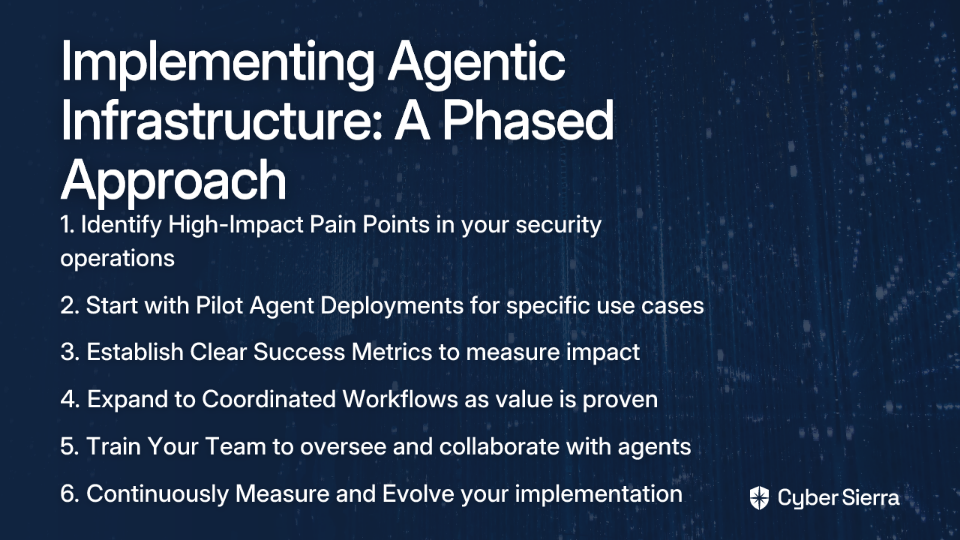
Agentic infrastructure flips this paradigm by enabling systems that continuously hunt for threats, identify vulnerabilities before they're exploited, and adapt defenses in real time. Instead of waiting for alerts to trigger, security agents can:
  • Proactively search for attack indicators across your environment
  • Identify and prioritize vulnerabilities based on actual exploitation potential
  • Automatically strengthen defenses around critical assets when threats emerge
  • Learn from attempted attacks to improve future security posture

Accelerated Incident Response

When incidents do occur, the speed of response directly impacts their business impact. Security agents dramatically compress response timelines by:

  • Automatically triaging and investigating alerts without analyst intervention
  • Gathering relevant context from multiple sources in seconds rather than hours
  • Initiating containment actions based on predefined parameters
  • Documenting incident details for compliance and learning purposes

Organizations implementing agentic security systems report reductions in mean time to respond (MTTR) of 60-80% for common incident types, freeing their analysts to focus on more complex threats that truly require human expertise.

Always-On Compliance

Regulatory compliance has traditionally been a point-in-time exercise, with organizations scrambling to gather evidence and remediate issues before audits. Agentic infrastructure enables continuous compliance through:

  • Ongoing monitoring of compliance-relevant systems and controls
  • Automatic evidence collection and documentation
  • Real-time identification of compliance drift
  • Proactive remediation of control failures

This shift from periodic to continuous compliance not only reduces audit preparation costs but also significantly improves an organization's actual security posture by eliminating compliance gaps between assessment periods.

Analyst Augmentation and Retention

Security talent is scarce and burnout is common, with analysts overwhelmed by alert volumes and repetitive tasks. Security agents serve as "digital teammates" that:

  • Handle routine investigations, reducing alert fatigue
  • Provide relevant context for complex cases requiring human judgment
  • Learn from analyst decisions to improve future automation
  • Scale capabilities without proportional headcount increases

By automating the mundane aspects of security operations, organizations can both improve retention of valuable talent and enable those professionals to work at a higher level of expertise and impact.

Data-Driven Security Decisions

Security has always been data-intensive, but extracting actionable insights from that data has required significant manual effort. GenAI-powered agents can:

  • Continuously analyze security data to identify patterns and trends
  • Generate natural language summaries of complex security situations
  • Provide evidence-based recommendations for security investments
  • Quantify risk in business-relevant terms for executive communication

This capability transforms security from a cost center to a strategic business enabler, helping CISOs communicate more effectively with boards and business leaders.

Real-World Applications of Security Agents

Security agents are already transforming operations across the security lifecycle. Here are some of the most impactful applications being implemented today:

Automated Alert Triage and Investigation

One of the most immediate benefits of security agents is their ability to handle the overwhelming volume of security alerts generated by modern environments.

How it works: Triage agents ingest alerts from multiple security tools, enrich them with contextual data from across the environment, determine severity based on business context, and either resolve false positives automatically or escalate true threats with comprehensive context for human analysts.

Impact: Organizations implementing alert triage agents typically report 80-90% reductions in alerts requiring human attention, with corresponding improvements in mean time to detect (MTTD) for significant threats.

Intelligent Vulnerability Management

Traditional vulnerability management struggles with prioritization—simply scanning for CVEs results in thousands of vulnerabilities without clear guidance on what to fix first.

How it works: Vulnerability agents continuously monitor for new vulnerabilities, assess them against your specific environment (considering factors like accessibility, exploitability, and business impact), and generate prioritized remediation plans that optimize security improvement per unit of effort.

Impact: Organizations using agentic vulnerability management report reducing their effective attack surface by 70-80% while patching 50% fewer vulnerabilities—focusing effort where it truly matters rather than chasing vulnerability counts.

Third-Party Risk Surveillance

As supply chain attacks increase, monitoring the security posture of partners and vendors has become critical—but manual assessments are point-in-time and resource-intensive.

How it works: Risk surveillance agents continuously monitor external signals about third parties (including public breach data, dark web mentions, infrastructure changes, and security ratings), correlating this information with the specific services and access each third party has to your environment.

Impact: Organizations employing these agents detect potential third-party compromises an average of 26 days earlier than traditional methods, allowing for proactive mitigation before their own environments are affected.

Continuous Compliance Evidence Collection

Preparing for compliance audits typically involves weeks or months of manual evidence gathering across disparate systems.

How it works: Compliance agents map regulatory requirements to specific technical controls, continuously monitor those controls, automatically collect and organize evidence of proper functioning, identify control gaps, and maintain real-time compliance dashboards.

Impact: Organizations using compliance agents report 70% reductions in audit preparation time and a 90% decrease in findings during actual audits, as issues are identified and remediated continuously rather than discovered during audit preparation.

Behavior-Based Insider Threat Prevention

Traditional security tools struggle to detect insider threats because they often involve legitimate credentials performing actions that are technically permitted but inappropriate in context.

How it works: Insider threat agents establish behavioral baselines for users and entities, detecting anomalies that may indicate compromise or malicious intent. They consider factors like time of activity, peer group comparison, historical patterns, and business context to identify concerning behaviors without overwhelming security teams with false positives.

Impact: Organizations implementing these systems report detecting credential compromise an average of 72% faster than with traditional tools, while simultaneously reducing false positive investigations by over 80%.

Key Considerations Before Adopting Agentic Infrastructure

While the benefits of agentic infrastructure are compelling, successful implementation requires careful planning and consideration of several critical factors:

Defining Agent Scopes and Guardrails

Security agents require clear boundaries and constraints to operate safely and effectively. Before deployment, organizations should:

  • Define specific objectives and success criteria for each agent
  • Establish explicit limitations on what actions agents can take autonomously
  • Implement technical guardrails that prevent agents from exceeding their authority
  • Create monitoring mechanisms to detect unexpected agent behaviors

As one security leader noted in a recent discussion on securing AI agents: "These agents have access to tons of data and can automate tasks like never before. We need to adapt our usual security measures specifically for them."

Governance and Human Oversight

Even the most advanced agentic systems require appropriate human governance. Organizations should:

  • Establish clear lines of accountability for agent actions
  • Design appropriate human approval workflows for high-impact decisions
  • Create transparent audit trails of agent activities and decisions
  • Develop escalation procedures for exceptional situations
  • Regularly review and update agent parameters based on performance

The most successful implementations follow a "trust but verify" approach, gradually expanding agent autonomy as confidence grows while maintaining appropriate oversight.

Data Quality and Integration Readiness

Agents are only as good as the data they can access. Before implementing agentic infrastructure, organizations should assess:

  • The completeness and quality of security data across the environment
  • Integration capabilities of existing security tools and data sources
  • Data governance policies and access controls
  • Real-time data availability for agent decision-making

Poor data quality or access is the most common reason for agent performance issues, making this assessment critical to success.

Organizational Readiness and Skills

Implementing agentic infrastructure represents a significant change in how security teams operate. Organizations should consider:

  • Current team skills and experience with AI and automation
  • Cultural readiness to trust and collaborate with autonomous systems
  • Training needs for effective agent oversight and management
  • Process changes required to incorporate agents into workflows

As noted in discussions about the CISO role, there's often a "scarcity of [security leaders] who possess both strategic acumen and technical expertise" to drive these transformations effectively. Addressing this gap through training or strategic hiring is essential.

Ethics and Explainability

As security decisions become more automated, ensuring those decisions are ethical and explainable becomes increasingly important. Organizations should:

  • Implement mechanisms to explain agent decisions in human-understandable terms
  • Test for and mitigate potential biases in agent behavior
  • Consider the ethical implications of autonomous security actions
  • Balance security effectiveness with privacy and civil liberties concerns

Getting Started: A Roadmap for CISOs

Implementing agentic infrastructure doesn't need to happen all at once. The most successful organizations follow a measured, iterative approach:

  1. Identify High-Impact Pain Points: Begin by assessing your current security operations to identify areas where agents could provide the greatest value. Look for:
    • Processes with high manual workload but clear decision criteria
    • Security functions suffering from significant backlogs
    • Areas where speed of response directly impacts business outcomes
    • Functions where skilled analysts spend time on routine tasks
  2. Start with Pilot Agent Deployments: Select 1-2 specific use cases for initial implementation, such as:
    • Alert triage for a specific detection system
    • Vulnerability prioritization for a defined asset group
    • Compliance monitoring for a single regulatory framework
  3. Establish Clear Success Metrics: Define how you'll measure the impact of your agentic systems, such as:
    • Reduction in alert handling time
    • Improvement in mean time to detect/respond
    • Decrease in analyst workload for routine tasks
    • Compliance posture improvements
  4. Expand to Coordinated Workflows: As individual agents prove their value, begin connecting them into more sophisticated workflows where multiple agents collaborate on broader security objectives.
  5. Train Your Team: Invest in developing the skills your security team needs to effectively oversee, maintain, and collaborate with agentic systems.
  6. Continuously Measure and Evolve: Regularly assess both the technical performance and business impact of your agentic infrastructure, using these insights to guide further development.

Conclusion: Embracing the Future

Agentic infrastructure represents a fundamental shift in how we approach cybersecurity and compliance—moving from static, reactive systems to intelligent, adaptive defenses that operate at machine speed. For CISOs navigating today's complex threat landscape, this transition isn't just a technological evolution; it's a strategic necessity.

By understanding the capabilities, architectures, and applications of security agents, and by thoughtfully implementing them to address your organization's specific challenges, you can:

  • Transform your security operations from reactive to proactive
  • Enable your team to focus on truly strategic work
  • Build security and compliance processes that scale with your business
  • Demonstrate the business value of security investments

The organizations that thrive in the coming years will be those that successfully harness the power of agentic infrastructure to create security operations that are not just more efficient, but fundamentally more effective at protecting their critical assets and enabling business success.

Are you ready to begin your journey toward agentic security operations? Start by identifying your highest-impact use cases today, and take the first steps toward a more intelligent and adaptive security posture for your organization.

Frequently Asked Questions

What is agentic infrastructure in cybersecurity?

Agentic infrastructure in cybersecurity refers to the underlying architecture that enables AI-powered, goal-oriented software systems, known as security agents, to autonomously protect an enterprise. This infrastructure provides the necessary computational resources, communication channels, data access, and governance frameworks for these agents to operate effectively. It allows them to sense, process, communicate, and act within the enterprise environment to achieve security objectives with minimal human intervention.

How do security agents differ from traditional security automation?

Security agents differ from traditional security automation primarily in their autonomy, context-awareness, and adaptability. Unlike traditional automation that follows predefined scripts or playbooks, security agents can understand objectives, interpret complex data, make context-aware decisions, learn from outcomes, and adapt their actions to changing conditions. They are designed to achieve goals rather than just execute tasks.

Why should CISOs consider implementing agentic infrastructure?

CISOs should consider implementing agentic infrastructure because it offers a strategic transformation to address modern security challenges, moving from reactive to proactive security, accelerating incident response, and enabling continuous compliance. This technology helps manage exploding data volumes and sophisticated AI-driven threats by automating routine tasks, augmenting human analysts, and providing data-driven insights. It allows security teams to become more efficient, focus on strategic work, and better protect critical assets.

What are some common use cases for security agents in an enterprise?

Common use cases for security agents include automated alert triage and investigation, intelligent vulnerability management, third-party risk surveillance, continuous compliance evidence collection, and behavior-based insider threat prevention. For example, triage agents can significantly reduce the volume of alerts requiring human attention, while vulnerability agents can prioritize remediation efforts based on actual risk. Compliance agents can automate evidence gathering, and insider threat agents can detect anomalous behavior indicative of compromise.

What are the key challenges when adopting agentic infrastructure?

Key challenges when adopting agentic infrastructure include defining clear agent scopes and guardrails, establishing robust governance and human oversight, ensuring high-quality data and integration readiness, preparing the organization and team skills, and addressing ethics and explainability concerns. Successfully implementing agentic systems requires careful planning around these areas. For instance, agents need well-defined operational boundaries, and organizations must ensure they can trust and verify agent actions. Data quality is crucial for agent performance, and teams need to be trained to work with these new systems.

How can an organization start implementing agentic infrastructure?

An organization can start implementing agentic infrastructure by first identifying high-impact pain points, then beginning with pilot deployments for specific use cases, and establishing clear success metrics. A measured, iterative approach is recommended. This involves selecting initial areas where agents can provide significant value, such as alert triage or vulnerability prioritization. As these pilots demonstrate success, organizations can expand to more coordinated workflows, train their teams, and continuously measure and evolve their agentic systems.

Can agentic systems completely replace human security analysts?

No, agentic systems are not intended to completely replace human security analysts but rather to augment and empower them. Security agents excel at handling routine, high-volume tasks, reducing alert fatigue, and providing context for complex investigations. This frees up human analysts to focus on more strategic, complex threats that require human intuition, critical thinking, and nuanced judgment. The most effective models often involve a human-in-the-loop hybrid approach, where agents and humans collaborate.

blog-hero-background-image
Cyber Security

Creating a Cybersecurity Incident Response Plan: A Step-by-Step Guide

backdrop
Table of Contents

Join thousands of professionals and get the latest insight on Compliance & Cybersecurity.


You've built your digital infrastructure, implemented security controls, and trained your team on best practices. But what happens when - not if - a cyber incident occurs? Without a structured response plan, even minor security events can spiral into full-blown crises, leading to extended downtime, data loss, regulatory penalties, and reputational damage.

In 2023 alone, the U.S. recorded over 3,200 data breaches affecting more than 350 million individuals. For small companies especially, the absence of a well-documented Cybersecurity Incident Response Plan (CSIRP) can mean the difference between a quick recovery and potentially devastating consequences.

Why Your Organization Needs a CSIRP

A CSIRP is your roadmap for navigating the chaos of a cybersecurity incident. It provides clear, actionable steps for preparing, responding to, and recovering from cyberattacks, ensuring your team knows exactly what to do when seconds count.

Beyond immediate incident management, a robust CSIRP:

  • Minimizes financial and operational damage during breaches
  • Demonstrates due diligence to regulators and stakeholders
  • Helps maintain business continuity during critical incidents
  • Improves your overall security posture through continuous learning
  • Enhances compliance with industry regulations and standards

Recent high-profile incidents at companies like Mailchimp and Cisco have reinforced that no organization is immune. These cases highlight how proper preparation and response protocols can significantly reduce the impact of security breaches.

Key Components of an Effective CSIRP

1. Preparation Phase

The foundation of your CSIRP begins with thorough preparation:

Define Your Incident Response Team: Assemble a cross-functional team including IT security personnel, management, legal counsel, and communications staff. Each member should have clearly defined roles and responsibilities, with up-to-date contact information documented.

Conduct Risk Assessments: Regularly identify and evaluate potential threats and vulnerabilities specific to your organization. This helps prioritize your security efforts and ensures your CSIRP addresses the most likely scenarios.

Document Everything: Maintain a centralized, accessible document that details your CSIRP procedures, ensuring it's regularly updated as your systems, personnel, or threat landscape changes.

Implement Preventive Measures: Deploy security controls aligned with frameworks like the CIS Critical Security Controls, particularly Control family 17 which specifically addresses incident response capabilities.

As one Reddit user wisely advised: "Start simple. What systems need to be reset up first. Talk to the business owners and ask them what are your critical functions."

2. Detection and Analysis Phase

Even the best defenses can be breached, making timely detection crucial:

Implement Monitoring Tools: Deploy comprehensive security monitoring solutions, including attack surface analytics, continuous monitoring systems, and endpoint protection tools to quickly identify potential incidents.

Establish Detection Criteria: Define what constitutes a security incident for your organization. This might include unauthorized access attempts, data exfiltration, malware infections, or unusual system behavior.

Document and Assess Incidents: When potential incidents are detected, document all observable details and conduct preliminary analysis to determine severity and scope.

Prioritize Response Actions: Based on your analysis, determine which incidents require immediate attention and allocate resources accordingly.

3. Containment, Eradication, and Recovery Phase

Once an incident is confirmed, swift action is necessary:

Containment Strategies: Develop both short-term and long-term containment approaches to limit damage. Short-term might involve taking affected systems offline, while long-term could include implementing additional security controls.

Eradicate the Threat: Once contained, work to completely remove the threat from your environment. This includes identifying and closing security gaps that allowed the incident to occur.

Evidence Collection: Throughout the process, collect and preserve evidence that may be needed for legal proceedings or future analysis.

System Recovery: Restore affected systems to normal operations using verified clean backups. Implement additional monitoring to ensure the threat doesn't resurface.

4. Post-Incident Activities

Learning from incidents strengthens your security posture:

Conduct Post-Mortem Analysis: Hold a thorough review meeting to analyze what happened, how the response was handled, and what could be improved.

Update Documentation: Revise your CSIRP based on lessons learned during the incident.

Notify Affected Parties: Comply with relevant privacy laws (like GDPR or CCPA) by notifying affected individuals and regulatory bodies as required.

Steps to Develop Your CSIRP

Step 1: Define the Scope

Begin by identifying what your CSIRP needs to protect:

  • Which systems, applications, and data are mission-critical?
  • What types of incidents are most likely in your environment?
  • What are your regulatory compliance requirements?

"Talk to the business owners and ask them what are your critical functions," advises a cybersecurity professional on Reddit. This stakeholder input is invaluable for ensuring your plan addresses business priorities.

Step 2: Assemble Your Incident Response Team

Your IR team should include:

  • Team Lead: Coordinates the overall response and acts as the decision-maker
  • Technical Specialists: Handle the technical aspects of incident investigation and remediation
  • Communications Specialist: Manages internal and external communications
  • Legal Representative: Addresses regulatory compliance and potential legal implications
  • Executive Sponsor: Provides authority and resources for the team

Ensure management understands their role in incident response and that team members receive regular training on their responsibilities.

Step 3: Develop Detailed Policies and Procedures

Document specific procedures for handling different types of incidents:

  • Incident Classification Framework: Define severity levels and corresponding response actions
  • Escalation Procedures: Outline when and how to escalate incidents to higher authorities
  • Documentation Requirements: Specify what information must be recorded during an incident
  • Communication Protocols: Establish who communicates what to whom during an incident

Remember that generic templates often lack practical utility. As one Reddit user noted, "I tend to avoid free templates. Or any templates. They've been made so generic that they aren't actually useful."

Step 4: Create a Communication Plan

Effective communication is critical during security incidents:

  • Develop internal notification procedures for staff and management
  • Prepare external communication templates for customers, partners, and the public
  • Establish relationships with law enforcement and regulatory agencies before incidents occur
  • Designate authorized spokespersons for different types of communications

Step 5: Conduct Regular Training and Simulations

Your CSIRP is only effective if your team knows how to execute it:

  • Provide role-specific training for all IR team members
  • Conduct tabletop exercises simulating different incident scenarios
  • Run full-scale simulations that test your complete response capabilities
  • Use real-world examples and case studies to improve team preparedness

Many organizations find that "paper play books" and theoretical knowledge are insufficient without practical application through simulations.

Step 6: Review and Update Your Plan Regularly

Your CSIRP should evolve as your organization and threats change:

  • Schedule regular reviews (at least annually) of your entire plan
  • Update the CSIRP after significant incidents or organizational changes
  • Incorporate new threats and vulnerabilities into your planning scenarios
  • Revise contact information and team assignments as personnel changes occur

Common CSIRP Pitfalls to Avoid

Even well-intentioned CSIRPs can fall short if they:

  • Lack Executive Support: Without leadership buy-in, IR teams often struggle to get necessary resources
  • Exist Only on Paper: Plans that aren't regularly tested become outdated and ineffective
  • Overlook Communication: Poor communication during incidents can magnify damage and erode trust
  • Neglect Third-Party Risks: Many incidents originate with vendors or partners
  • Focus Too Narrowly: Plans that only address technical aspects miss critical business continuity considerations

Learning from Real-World Incidents

The 2023 Mailchimp incident, where attackers used social engineering tactics to gain unauthorized access to customer data, highlights the importance of including human factors in your CSIRP. Similarly, Tesla's data breach shows how limiting access based on the principle of least privilege can help protect sensitive information.

Conclusion

Creating an effective CSIRP isn't a one-time project but an ongoing commitment to organizational resilience. By following the framework outlined above and tailoring it to your specific needs, you'll be better prepared to handle inevitable security incidents with confidence and efficiency.

For additional guidance, explore resources from NIST (especially Special Publication 800-61) and the SANS Institute, which offer comprehensive frameworks for incident response planning. Remember that the most effective CSIRPs are those that balance technical details with practical, actionable steps that your team can execute under pressure.

By investing in proper preparation now, you're not just checking a compliance box—you're building a critical capability that could save your organization during its most vulnerable moments.

Frequently Asked Questions (FAQ)

What is a Cybersecurity Incident Response Plan (CSIRP) and why is it important?

A CSIRP is a documented, structured roadmap that guides an organization in preparing for, detecting, responding to, and recovering from cyberattacks. It's crucial because it helps minimize financial and operational damage, ensures business continuity during critical incidents, demonstrates due diligence to regulators, improves overall security posture through learning, and enhances compliance with industry standards.

Who should be part of an Incident Response Team?

An ideal Incident Response Team is a cross-functional group. It should include a Team Lead to coordinate, Technical Specialists for investigation and remediation, a Communications Specialist for internal/external messaging, a Legal Representative for compliance, and an Executive Sponsor for authority and resources. Clearly defined roles for each member are essential for an effective response.

How often should a CSIRP be reviewed and updated?

A CSIRP should be reviewed and updated regularly, at least once a year. It should also be revised after significant incidents, major organizational changes (like new systems or personnel), or when new threats and vulnerabilities are identified to ensure its continued effectiveness and relevance to the current operational and threat landscape.

What are the key phases of an effective CSIRP?

The key phases of an effective CSIRP are: Preparation; Detection and Analysis; Containment, Eradication, and Recovery; and Post-Incident Activities. The Preparation phase involves defining teams and assessing risks. Detection and Analysis focuses on identifying and understanding incidents. Containment, Eradication, and Recovery deals with limiting damage and restoring systems. Post-Incident Activities involve learning lessons and updating the plan for future resilience.

Why is regular training and simulation important for a CSIRP?

Regular training and simulations are vital because they ensure your team can effectively execute the CSIRP under pressure. Theoretical knowledge alone is often insufficient. Practical exercises like tabletop scenarios and full-scale simulations help identify weaknesses in the plan, familiarize team members with their roles, and improve overall preparedness for real-world cybersecurity incidents.

What are common pitfalls to avoid when creating and maintaining a CSIRP?

Common pitfalls to avoid include a lack of executive support, creating a plan that only exists on paper and isn't regularly tested, and poor communication strategies. Other significant oversights are neglecting third-party risks, which are common sources of breaches, and focusing too narrowly on technical aspects while failing to address broader business continuity considerations. Addressing these pitfalls leads to a more robust and actionable CSIRP.

blog-hero-background-image
Governance & Compliance

Mastering GRC Cybersecurity: Adapting Frameworks Beyond the Checklist

backdrop
Table of Contents

Join thousands of professionals and get the latest insight on Compliance & Cybersecurity.


You've invested heavily in your cybersecurity program, diligently implementing controls from NIST CSF, ISO 27001, or COBIT frameworks. Yet your security team still feels overwhelmed, your technical staff views GRC as the "department of no," and your executive team questions whether these investments are truly protecting the business or just ticking compliance boxes.

If this sounds familiar, you're experiencing the challenge that plagues organizations across industries: how to transform Governance, Risk, and Compliance (GRC) from a burden into a business enabler that's tailored to your specific sector needs.

The GRC Implementation Gap: Why One-Size-Fits-All Fails

Many organizations approach GRC frameworks with a "checkbox mentality," implementing controls universally without considering their specific industry context. This approach creates several critical problems:

  • Wasted resources on controls that don't address your highest risks
  • Friction with development and infrastructure teams who see GRC as an obstacle rather than a partner
  • Difficulty demonstrating ROI beyond "we passed the audit"
  • Governance maturity gaps that undermine even the best framework implementations

As one cybersecurity professional on Reddit noted: "GRC work is heavily dependent on the governance maturity level of the organization. If your organization is immature, you'll be fighting uphill battles constantly."

This disconnect is particularly pronounced when comparing regulated industries like healthcare with sectors like manufacturing, where security priorities and compliance burdens differ significantly.

Understanding the GRC Framework Landscape

Before diving into sector-specific adaptations, let's examine the three primary GRC frameworks and their foundational approaches:

NIST Cybersecurity Framework (CSF)

The NIST CSF organizes cybersecurity activities into five core functions: Identify, Protect, Detect, Respond, and Recover. Recently updated to CSF 2.0, it now includes a sixth core function: Govern.

Strengths:

  • Flexible and adaptable to organizations of any size
  • Provides common language for security discussions
  • Maps to other frameworks and regulatory requirements

Limitations:

  • Lacks specific implementation guidance
  • Some organizations find it overly complex
  • Requires significant customization

As one practitioner lamented: "It seems like good resources are lacking. I've watched tons of YouTube videos and even enrolled in a Coursera class on NIST CSF implementation, but practical guidance is hard to find."

ISO 27001

ISO 27001 is an internationally recognized standard for information security management systems (ISMS). It provides a systematic approach to managing sensitive company information through risk assessment, security design, and implementation.

Strengths:

  • Internationally recognized certification
  • Comprehensive control set (Annex A)
  • Clear documentation requirements

Limitations:

  • Certification is time-consuming and resource-intensive
  • Focus on documentation can overshadow practical security
  • Can be overwhelming for smaller organizations

"It appears to be a time-consuming process to obtain the certificate," noted a small business owner considering ISO 27001 certification. "I'm curious about the best strategy to obtain ISO 27001 certification for a small business."

COBIT (Control Objectives for Information and Related Technologies)

COBIT is an IT governance framework created by ISACA that bridges the gap between technical issues, business risks, and control requirements.

Strengths:

  • Strong alignment with business objectives
  • Comprehensive coverage of IT governance
  • Maturity model for measuring improvement

Limitations:

  • Complex implementation
  • Less recognized in some industries
  • Requires significant organizational buy-in

Prioritizing Framework Elements for Different Sectors

Healthcare: Patient Safety First, Data Security Close Behind

In healthcare, the stakes of cybersecurity failures extend beyond financial loss to potentially life-threatening situations. A ransomware attack on a hospital doesn't just compromise data—it can delay critical care and endanger lives.

Key Prioritization Areas for Healthcare:

  1. Patient Safety Controls: Prioritize controls that protect systems directly involved in patient care (medical devices, EHR systems)
  2. HIPAA Compliance: Focus on controls that address patient data privacy and security requirements
  3. Incident Response: Develop robust response protocols for scenarios that could impact patient care
  4. Third-Party Risk Management: Emphasize controls for managing vendor risks, as healthcare relies heavily on external service providers

Implementation Strategy:

When implementing NIST CSF in healthcare, begin with the "Identify" function to thoroughly catalog all systems that contain protected health information (PHI) or support critical care functions. Then prioritize "Protect" and "Detect" controls for these systems before addressing less critical assets.

For ISO 27001, healthcare organizations should pay particular attention to controls related to access management (A.9), system acquisition and development (A.14), and supplier relationships (A.15).

Manufacturing: Operational Resilience Takes Center Stage

In manufacturing environments, the primary cybersecurity concern shifts from data protection to ensuring operational continuity and preventing safety incidents. Industry 4.0 and smart manufacturing initiatives have increased connectivity between operational technology (OT) and information technology (IT), expanding the attack surface.

Key Prioritization Areas for Manufacturing:

  1. Operational Continuity: Focus on controls that prevent disruption to production systems and supply chains
  2. Safety Systems Protection: Prioritize controls that secure systems that could impact physical safety if compromised
  3. Intellectual Property Protection: Emphasize controls that safeguard manufacturing processes, designs, and trade secrets
  4. OT/IT Convergence Security: Implement controls that address the unique challenges of securing interconnected industrial systems

Implementation Strategy:

When implementing NIST CSF in manufacturing, emphasize the "Identify" function to create a comprehensive inventory of OT assets and their connections to IT networks. Then focus on "Protect" controls for critical production systems and "Detect" capabilities for anomalous behavior in industrial control systems.

For ISO 27001, manufacturing organizations should prioritize controls related to asset management (A.8), communications security (A.13), and business continuity management (A.17).

For COBIT, focus on the "Build, Acquire and Implement" (BAI) domain to ensure security is embedded in new manufacturing technologies from the beginning.

Measuring GRC ROI Beyond Compliance Checklists

"I personally think it's overkill considering the work we do and not being a US government agency but hey, here we are," commented one practitioner about implementing NIST CSF. This sentiment reflects a common challenge: justifying GRC investments when the return isn't immediately obvious.

To demonstrate true ROI from GRC investments, organizations need metrics that go beyond simple compliance status. Here are key measurements that validate the business value of your GRC program:

1. Risk Reduction Metrics

  • Reduction in High-Risk Findings: Track the decrease in high and critical vulnerabilities over time
  • Mean Time to Remediate (MTTR): Measure how quickly vulnerabilities are addressed after discovery
  • Risk Exposure Score: Develop a quantified measure of overall organizational risk exposure that can be tracked quarter over quarter

2. Efficiency Metrics

  • Audit Preparation Time: Measure reduction in hours spent preparing for audits after implementing GRC tools and processes
  • Control Rationalization: Track the elimination of redundant controls across multiple frameworks
  • Automated vs. Manual Controls: Monitor the increasing percentage of controls that are automated rather than manually verified

3. Business Impact Metrics

  • Security Incident Costs: Calculate the financial impact of security incidents before and after GRC implementation
  • Cyber Insurance Premiums: Track reductions in premiums due to improved security posture
  • Business Enablement: Measure how GRC facilitates faster onboarding of new technologies or business initiatives
  • Sales Acceleration: Track how improved security posture helps win new customers or enter new markets

According to research from Steel Patriot Partners, organizations with mature GRC programs experience a 30% reduction in security incident costs and save up to 60% of time spent on reporting tasks through automation.

Strategies for Effective GRC Framework Adaptation

1. Conduct a Risk-Based Assessment

Begin by conducting a thorough risk assessment specific to your industry and organizational context. This should identify:

  • Industry-specific threat scenarios
  • Regulatory requirements unique to your sector
  • Business impact considerations particular to your operations

This assessment forms the foundation for prioritizing which framework elements deserve the most attention.

2. Map Controls Across Frameworks

Create a unified control framework that maps requirements across multiple standards relevant to your industry. This approach:

  • Eliminates redundant efforts
  • Highlights gaps in coverage
  • Creates a single source of truth for compliance activities

Tools like the NIST CSF to other frameworks mapping can jumpstart this process.

3. Engage Stakeholders Across the Organization

GRC implementation often fails due to poor stakeholder engagement. As one Reddit commenter noted, "You get cast as the bad guy that's forcing a change when the reality is that..." this perception undermines effectiveness.

Instead:

  • Involve business units in risk identification
  • Establish clear risk ownership
  • Create a cross-functional governance committee
  • Develop metrics that matter to different stakeholders

4. Invest in the Right Tools

Many GRC professionals lament that "Some people really like Excel forms" when more sophisticated tools would drive efficiency and accuracy. Modern GRC platforms can:

  • Automate control testing
  • Provide real-time risk dashboards
  • Generate evidence for audits
  • Track remediation activities

According to CyberSaint, organizations that implement integrated GRC platforms reduced compliance costs by up to 40% compared to manual approaches.

Conclusion: From Checkbox Compliance to Risk Intelligence

Effective GRC implementation requires moving beyond one-size-fits-all approaches to create a framework adaptation that addresses your specific industry risks and business objectives. By prioritizing framework elements based on sector-specific needs and measuring success through business-aligned metrics, organizations can transform GRC from a necessary evil into a strategic advantage.

Remember that "enjoying GRC work is heavily dependent on the governance maturity level of the organization." Building a mature governance framework takes time, but the investment pays dividends in reduced risk, improved operational efficiency, and enhanced business resilience.

Whether you're in healthcare prioritizing patient safety, manufacturing focusing on operational resilience, or another sector with unique security concerns, the key is to adapt GRC frameworks to your specific context rather than forcing your organization to conform to rigid standards. By doing so, you'll not only achieve compliance but also build genuine security capabilities that protect what matters most to your business.

Start by assessing your current governance maturity, prioritizing framework elements based on your industry's unique risk profile, and implementing metrics that demonstrate real business value. With this approach, you can overcome the implementation gap and realize the full potential of your GRC investments.

Frequently Asked Questions (FAQ)

What is GRC and why is it important?

GRC stands for Governance, Risk, and Compliance. It's a strategic approach to aligning IT activities with business objectives while managing risks and meeting regulatory requirements. It's important because it helps organizations protect their assets, make informed decisions, operate efficiently, and transform security from a cost center into a business enabler by ensuring investments target critical risks and support overall business goals.

Why does a one-size-fits-all GRC approach often fail?

A one-size-fits-all GRC approach often fails because it doesn't consider an organization's specific industry context, leading to wasted resources and internal friction. Different industries face unique risks, regulatory landscapes, and operational priorities. Applying generic controls universally can mean over-investing in areas of low risk for your sector or under-investing in critical ones, making GRC seem like a burden rather than a tailored, effective solution.

How does GRC prioritization differ between healthcare and manufacturing?

GRC prioritization differs significantly: healthcare primarily focuses on patient safety and data privacy (like HIPAA compliance), while manufacturing prioritizes operational resilience and the protection of production systems. In healthcare, a breach can directly impact patient care, so controls around medical devices and protected health information (PHI) are paramount. In manufacturing, disruptions to production lines or compromised industrial control systems can halt operations, causing financial loss or safety incidents, so GRC efforts center on Operational Technology (OT) / Information Technology (IT) security and operational continuity.

What are the main GRC frameworks discussed in the article?

The main GRC frameworks discussed are the NIST Cybersecurity Framework (CSF), ISO 27001, and COBIT.

  • NIST CSF: Provides a flexible structure with core functions (Identify, Protect, Detect, Respond, Recover, and the newer Govern function) adaptable to various organizations.
  • ISO 27001: An international standard for information security management systems (ISMS), offering a comprehensive control set (Annex A) and recognized certification.
  • COBIT: An IT governance framework that bridges technical issues, business risks, and control requirements, focusing on aligning IT with business objectives.

How can organizations measure the ROI of their GRC investments effectively?

Organizations can measure GRC ROI by tracking risk reduction, operational efficiency gains, and positive business impacts, rather than just compliance checklist completion. Key metrics include a reduction in high-risk vulnerabilities, faster audit preparation times, lower security incident costs, and even how an improved security posture helps accelerate sales or reduce cyber insurance premiums. These demonstrate tangible business value beyond simply "passing an audit."

What is the crucial first step to effectively adapt a GRC framework for a specific industry?

The crucial first step is to conduct a thorough, risk-based assessment tailored to your specific industry and organizational context. This assessment should identify industry-specific threat scenarios, unique regulatory requirements, and business impact considerations particular to your operations. The findings from this assessment will form the foundation for prioritizing which framework elements and controls deserve the most attention and resources.

How can organizations improve GRC adoption and overcome internal resistance?

Organizations can improve GRC adoption by engaging stakeholders across all departments, establishing clear risk ownership, and demonstrating GRC's value through metrics that resonate with different business units. Involve business units in risk identification, create a cross-functional governance committee, and communicate how GRC enables business objectives rather than just imposing rules. Investing in user-friendly GRC tools can also help by automating tasks and providing clear visibility into risk and compliance status, moving away from cumbersome manual processes.

toaster icon

Thank you for reaching out to us!

We will get back to you soon.