blog-hero-background-image
Governance & Compliance

How to perform a robust GRC audit in 2024?

backdrop
Table of Contents

Join thousands of professionals and get the latest insight on Compliance & Cybersecurity.


Staying compliant with regulations and managing risks effectively is crucial for maintaining a competitive edge. A Governance, Risk Management, and Compliance (GRC) audit is a vital tool for organizations, providing a structured approach to aligning IT with business objectives while effectively managing risk and meeting compliance requirements.

According to a recent Compliance, Governance, and Oversight Council survey, nearly 65% of organizations report that implementing a thorough GRC strategy has significantly reduced their legal liabilities and improved operational efficiency.

A GRC audit evaluates an organization's strategies and processes for overseeing and controlling its adherence to legal and regulatory requirements, managing risks, and ensuring effective governance practices.

By conducting these audits, companies safeguard themselves against potential fines and penalties and gain valuable insights into their operational weaknesses, enabling them to make informed decisions that foster sustainable growth.

Understanding the importance of a GRC audit is the first step in enabling businesses to thrive. It’s not just about compliance but about building a resilient foundation that will support long-term success.

This article will delve into the nuances of GRC audits, offering clear, actionable insights that can help organizations confidently navigate this complex yet critical area.

Whether you are a seasoned executive or a newcomer to corporate governance, the insights provided here will empower you to leverage GRC audits as a strategic tool for your business.

What is GRC audit?

A GRC audit is a thorough review of an organization’s policies, procedures, and controls to ensure they meet regulatory and compliance requirements and effectively mitigate risks.

This audit helps organizations identify gaps, improve compliance, and enhance overall governance, supporting better decision-making and reducing potential liabilities.

It can be conducted internally or by a third-party auditor to assess the organization's security posture and compliance status. Regular GRC audits are crucial for optimizing Governance, Risk and Compliance processes and maintaining a strong security and compliance program.

This evaluation is critical in identifying and mitigating potential risks arising from security gaps or procedural deficiencies. Organizations often undertake GRC audits internally to refine and enhance their operational frameworks.

Alternatively, they might engage external, independent auditors to perform these assessments annually.

This external review not only helps in obtaining necessary certifications but also in transparently communicating the organization’s compliance status to stakeholders and clients, reinforcing trust and accountability.

Here’s how:

1. Governance:

This process involves guiding and overseeing your organization with clear, well-defined policies and a structured hierarchical system.

You need to set firm policies that outline your organization's expectations, responsibilities, and procedures. This structure is essential for streamlining communication and command, ensuring that decisions flow efficiently from upper management to the operational level without ambiguity.

It's important to keep yourself updated regularly with reports on your organization’s performance, market conditions, and other critical factors to stay on top of changes and adapt accordingly.

This approach not only helps in maintaining compliance but also enhances the effectiveness of governance within your department.

2. Risk Management:

This process involves identifying, evaluating, and prioritizing the risks that could negatively affect your organization's daily operations. These risks can range from financial uncertainties and legal liabilities to management errors, accidents, natural disasters, and strategic management flaws.

Your role is to first identify each risk, then evaluate its likelihood of occurrence and potential impact. Based on this evaluation, you prioritize the risks. This prioritization allows you to allocate resources effectively, focusing first on preventing or mitigating the most critical risks.

The strategies you may consider include avoiding, reducing, sharing, or retaining the risk. Each strategy should be chosen based on its potential effectiveness in addressing specific risks. It's crucial to regularly review and adjust these strategies to remain effective over time, especially in response to new or evolving risks. This proactive approach ensures that your organization can maintain resilience against adverse events, protecting its operational integrity.

3.Compliance:

This process requires you to adhere to regulations set by industry bodies, government entities, or market authorities to foster a secure and equitable environment for both consumers and businesses, particularly in the realm of cybersecurity.

Start by thoroughly understanding all relevant regulations that affect your organization. This includes keeping current with any changes to laws and standards that govern cybersecurity and data protection practices.

With this knowledge, your organization then takes steps to ensure compliance. This may include updating security protocols, training employees on new regulations, and incorporating compliance checks into everyday operations.

Consistent monitoring is crucial to ensure that all parts of the organization continually meet regulatory requirements. This involves conducting internal audits software, reviewing security measures, and evaluating the effectiveness of compliance protocols.

As regulations change, your organization must be flexible enough to adapt quickly. This requires revising policies, procedures, and technologies to stay aligned with new legal and regulatory frameworks as they emerge.

Educating stakeholders plays a vital role in cultivating a culture of compliance and ensuring that everyone understands their role in maintaining a secure and fair operating environment.

Modern GRC audits challenge the inefficiencies of past practices by promoting unified strategies that enhance visibility across business functions. This approach helps avoid the segmented and resource-intensive methods of legacy systems, which often lead to errors and increased risk.

How to Leverage GRC Audit Standards?

Anchoring your strategy in widely accepted standards and frameworks is essential to effectively conducting GRC audits in 2024. Adopting these as a foundation ensures a structured approach for precisely assessing your controls and helps streamline your compliance checks and risk management processes.

Prioritizing areas like cybersecurity and regularly reviewing compliance keeps your organization aligned with essential regulations and addresses key stakeholders’ expectations.

Embracing frameworks such as the Cybersecurity Maturity Model Certification (CMMC) from the Department of Defense, the Payment Card Industry Data Security Standard (PCI DSS), the NIST Cybersecurity Framework, and ISO/IEC 27001 not only enhances your cybersecurity measures but also bolsters your information security management.

Adopting these recognized benchmarks in your GRC audits sharpens governance outcomes and reduces various risks, ensuring comprehensive compliance throughout your operations. This approach leads to detailed audit findings that inform your cybersecurity audits and other areas.

Integrating a risk management program empowers your team to handle these challenges more effectively, solidifying your overall governance and compliance structure.

Importance of GRC audits

Conducting regular GRC audits is crucial for identifying weaknesses or gaps that could undermine your GRC program's effectiveness and increase the risk of data breaches or non-compliance incidents.

GRC Audit Importane

By integrating document management into your audit component, you enhance the scrutiny of your operational processes.

Key reasons for auditing your GRC program include:

1. Optimize GRC Controls:

Begin by establishing clear objectives, defining the scope, and setting criteria for the audit. This foundational step is vital to ensure your evaluation is focused and effective.

Then, assess how controls are implemented in daily operations, evaluate their effectiveness, and pinpoint any gaps that may impede compliance or risk management. It's crucial to look for patterns that could suggest systemic issues or insufficient risk mitigation.

Your report should analyze how well the controls fulfill the needs of governance, compliance, and risk management, and it should include recommendations for enhancements. Based on these findings, develop and implement strategies to reinforce existing controls or add new ones as necessary.

Consistently evaluating these controls is crucial to ensure their ongoing effectiveness. Adjust them as necessary to respond to changes in the organization or the regulatory landscape. This proactive stance is key to maintaining the integrity and resilience of your organization’s compliance and risk management frameworks.

2. Ensure Policy Adherence:

During audits, ensure that each component of your GRC (Governance, Risk Management, and Compliance) program adheres to the organization's security policies. Identify any discrepancies between the implemented controls and the policies.

Use the findings from these audits to enhance the effectiveness of your GRC program. Demonstrating a commitment to security and compliance can significantly boost the confidence of your stakeholders.

Additionally, leverage the results from these audits to inform strategic decision-making within your organization. This approach not only improves compliance but also aligns your operational strategies more closely with organizational goals and regulatory requirements.

3. Identify Improvement Areas:

Through detailed examinations, identify any deficiencies in your current GRC (Governance, Risk Management, and Compliance) processes. Take note of any redundant steps, outdated procedures, or poorly allocated resources that may exist.

Utilize insights from these audits to pinpoint where to focus your efforts for the most significant impact. This targeted approach helps you address the most critical areas needing improvement.

Leverage these insights to proactively adjust and refine your GRC processes. Making these adjustments can help you stay ahead of potential issues and maintain regulatory compliance.

Regular audits are crucial as they promote ongoing enhancements within your organization. By continually assessing and improving your processes, you ensure the robustness and resilience of your governance and compliance frameworks.

4. Demonstrate Due Diligence:

Regular audits demonstrate to stakeholders that governance, risk management, and compliance are top priorities for your organization. Routine assessments show your commitment to due diligence.

These audits provide valuable feedback on the effectiveness of your risk management strategies, allowing you to make timely adjustments. By staying proactive, you can address compliance issues before they lead to penalties.

Additionally, the insights gained from audits support strategic enhancements, ensuring that your GRC (Governance, Risk Management, and Compliance) program remains dynamic and effective. This continuous improvement helps keep your organization aligned with both current regulations and emerging risks.

The GRC Auditing Process

When you audit your GRC processes, you evaluate their implementation against a specific GRC framework or set of standards. Under the guidance of audit supervisors, track the progress of audit tasks and conduct thorough audit tests.

GRC auditing process

1. Evidence Collection:

Auditors actively collect various forms of evidence to evaluate the effectiveness of the GRC (Governance, Risk Management, and Compliance) controls implemented in your organization. They meticulously review these documents to ensure they are comprehensive and current.

Furthermore, auditors examine these materials to confirm that procedures are clearly communicated and consistently followed across the organization. This scrutiny helps ensure that your systems are robust and safeguarded against potential vulnerabilities.

Additionally, auditors analyze logs to detect any unusual or unauthorized activities that could indicate risks or breaches of compliance. This vigilant oversight is crucial for maintaining the integrity and security of your organization’s operations.

2. Control Testing:

Auditors play a crucial role in assessing the effectiveness of your organization's security controls in managing cybersecurity risks. They employ a variety of tests and simulations to ensure that your defenses are robust and effective. These assessments might include penetration testing, where auditors simulate an attack on your systems to test their ability to withstand intrusions.

Such simulations provide a practical evaluation of how your controls would perform during an actual cyber attack, assessing the system's defensive capabilities. This includes verifying that antivirus software is regularly updated, evaluating the effectiveness of firewalls, and checking the adequacy of encryption practices.

Auditors also review your incident response plans to ensure they are actionable and effective in minimizing damage during a security event. This continuous oversight is essential for maintaining the integrity of your security measures over time.

3. Compliance Verification:

The compliance of each department with relevant regulatory frameworks and industry standards is meticulously reviewed and validated by your team. Initially, it’s crucial for you to determine which regulations and standards each department must adhere to, based on their specific functions and the industry in which your organization operates.

You need to examine how well policies are understood and followed by departmental staff. This scrutiny helps confirm that each department consistently meets all required standards. These evaluations not only highlight areas of success but also pinpoint where improvements are needed, providing clear guidance for future compliance efforts.

This may involve revising procedures, enhancing training programs, or implementing other changes to ensure full compliance. By maintaining this focus, you help safeguard the organization’s adherence to necessary regulations and enhance overall operational integrity.

4. Reporting:

Auditors meticulously document their findings, recommendations, and a detailed action plan for remediation in a comprehensive audit report. This documentation is crucial for giving you a clear picture of the current state of compliance and system integrity. The recommendations are designed to guide your organization in correcting deficiencies and enhancing overall compliance and security measures.

The action plan is crafted to ensure that all recommendations are implemented effectively and promptly. It serves as a tool for management to track progress on remediation efforts and to confirm that all issues have been resolved. This systematic approach helps you maintain oversight and ensures that your organization adheres to required standards.

5. Follow-up:

You are responsible for actively overseeing the implementation of recommended actions and ensuring the continuous improvement of your organization's GRC (Governance, Risk Management, and Compliance) program.

Regularly check the progress of the actions being implemented across the organization. This evaluation helps you determine whether the changes are effectively addressing the identified issues and improving the overall compliance and risk management frameworks.

You may need to revise timelines, introduce new measures, or reallocate resources to ensure that the goals of the GRC program are met. These reports are crucial for keeping senior management and relevant stakeholders informed and engaged in the GRC improvement process. Encourage open communication and continuous learning to help embed GRC principles at all levels of the organization, strengthening the culture of compliance and risk awareness.

GRC Audit Best Practices

GRC audits are vital for ensuring compliance and managing risks effectively. Here are streamlined best practices for conducting successful GRC audits:

grc-audit-best-practices

1.Strategic Planning:

Start by establishing clear audit goals and broader business objectives. Effective communication with all stakeholders is essential to align everyone's understanding and expectations.

Ensure that your staff are thoroughly trained on the audit procedures, tools, and standards they need to adhere to. Well-trained auditors are crucial for identifying issues and maintaining the integrity of the process. This foundational preparation helps ensure that your audits are conducted efficiently and effectively, supporting the overall health of your organization's compliance and governance frameworks.

2.Defining the Audit Scope:

Focus your audit effectively by identifying essential processes within your governance, risk management, and compliance frameworks.

Evaluate all critical IT systems and databases that support your GRC efforts, including the software and data storage solutions used. This careful assessment ensures that your organization's technological resources align with and robustly support your compliance and risk management objectives, enhancing the overall security and efficiency of your operations.

3. Risk Assessment:

Identify potential risks affecting your GRC (Governance, Risk Management, and Compliance) frameworks, ranging from operational to technological aspects. Assess the severity and likelihood of these risks to prioritize them effectively.

Design audit tests specifically to address the most significant risks, enhancing the efficiency and effectiveness of the audit. This targeted approach ensures that your resources are focused where they are most needed, strengthening your organization's risk management and compliance efforts.

4. Audit Testing:

Perform a detailed assessment of potential risks to refine your audit strategy. This careful evaluation helps you understand which areas are most vulnerable and require immediate attention.

Customize your audit tests based on this clear understanding of prioritized risks to focus on critical areas. This targeted approach improves the impact and relevance of the audit, ensuring that your efforts are efficiently addressing the most significant concerns within your organization's governance, risk management, and compliance frameworks.

5. Outcome Reporting:

Record detailed findings from the audit, noting any discrepancies and vulnerabilities. Analyze these results to understand their implications and assess the effectiveness of existing controls.

Create actionable plans to address identified issues, specifying steps for remediation and assigning responsibilities. This approach ensures that each concern is systematically addressed, enhancing the overall security and compliance of your organization.

Communicate these findings and action plans with key stakeholders to align efforts and promote a culture of continuous improvement in your governance, risk management, and compliance (GRC) practices. This collaborative communication is essential for maintaining transparency and fostering a proactive approach to managing organizational risks.

Adhering to these practices ensures that GRC audits are not only compliant but also strategic tools for enhancing organizational operations. The adaptability of these practices allows them to evolve with the organization's needs, maintaining their effectiveness and relevance over time.

How Cybersierra can help

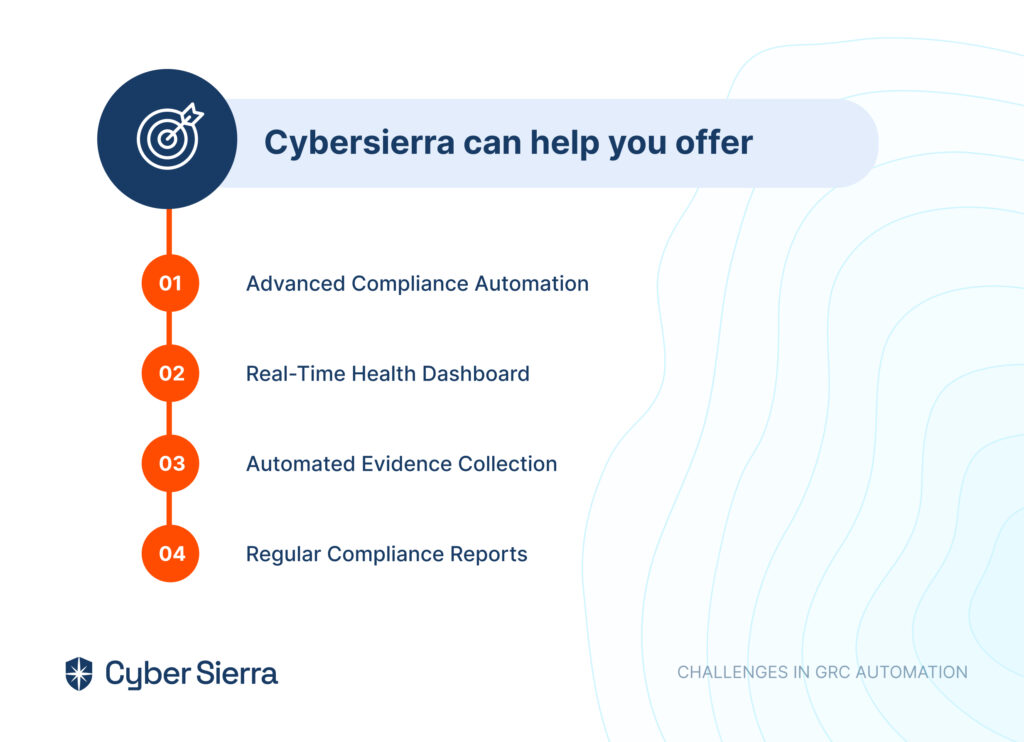
CyberSierra offers a range of features to streamline your GRC audits:
challenges-in-grc-automation
  • Advanced Compliance Automation: Simplifies routine regulatory tasks, promoting a continuous compliance framework.
  • Real-Time Health Dashboard: Allows continuous monitoring of your organization’s security and compliance status from a single platform.
  • Automated Evidence Collection: Facilitates seamless preparation for both internal and external audits.
  • Regular Compliance Reports: Keeps you audit-ready by ensuring all compliance documentation is current and accessible.

CyberSierra's automated evidence collection and reporting capabilities streamline your preparation for internal and external audits, ensuring you're always audit-ready with up-to-date compliance reports.

Conclusion

Conducting a GRC audit provides insights into the effectiveness of your governance, risk, and compliance processes. Successful audits require careful planning, thorough testing, and clear reporting.

Effective GRC software facilitates the collection of evidence, tracks compliance, and enhances the impact of audits.

CyberSierra, a robust GRC audit and compliance automation software, streamlines compliance processes and strengthens auditing procedures while providing real-time insights into your security and compliance status. Contact our experts to see CyberSierra in action.

  • Governance & Compliance
  • CISOs
  • CTOs
  • Cybersecurity Enthusiasts
  • Enterprise Leaders
  • Startup Founders

A weekly newsletter sharing actionable tips for CTOs & CISOs to secure their software.


Thank you for subscribing!

Please check your email to confirm your email address.

Find out how we can assist you in
completing your compliance journey.
blog-hero-background-image
Governance & Compliance

An Ultimate Guide to Regulatory Compliance

backdrop
Table of Contents

Join thousands of professionals and get the latest insight on Compliance & Cybersecurity.


Have you watched the movie Titanic? Of course, you have. What could have changed the dreadful climax of all time? If only the Captain had a proper monitoring system to realize the ship needed more lifeboats and a thorough understanding of the icebergs along the route.


Now, imagine your business as a ship navigating treacherous waters. Regulatory compliance requirements are the map, navigation tools, and safety standards that guide you along the journey, steering you clear of hazards and toward safe harbors. But the waters keep changing, and that’s why this comprehensive guide will provide you with complete awareness of compliance management and how to ace it like a pro!


 What is Regulatory Compliance?


Regulatory compliance refers to the process of adhering to laws, regulations, and guidelines relevant to a business or industry. It involves implementing policies, procedures, and practices set by governments and respective regulatory bodies to ensure that an organization operates within legal boundaries. By complying with these compliance requirements, companies can avoid penalties, legal risks, and reputational damage. Effective regulatory compliance also helps organizations build trust with stakeholders, maintain operational integrity, and support long-term business sustainability.


Regulatory compliance management and regulatory compliance requirements vary significantly depending on the industry, vertical, jurisdiction, and business geography. For organizations with a global footprint, it becomes increasingly important to comply with regulatory compliance requirements across the wide range of geographies they operate. Also, certain industries, such as financial services, information technology, and healthcare, include more complex regulatory risk management. The reason is simple: the impact of these industries on aspects of the economy, business, and infrastructure is significant.


According to Navex Global’s 2023 Definitive Risk & Compliance Benchmark Report, 76% of risk and compliance professionals stated that ensuring their organization builds and maintains an ethical culture of compliance was a very important or absolutely essential consideration in its decision-making processes.


Importance of Regulatory Compliance


Regulatory compliance has become more important than ever, as businesses are now more susceptible to cybersecurity breaches. Moreover, the significance of regulatory compliance is indispensable for the following reasons:


  • Upholds the integrity of the business. Everything gets lost when there is no integrity.
  • Protects and strengthens stakeholder and public interest.
  • Allows the company to operate ethically and fairly and circles back to brand reputation.
  • Helps you conquer more clients and business partners. When goodwill and trust increase, it is obvious!
  • As a byproduct of the above, the brand perception increases, and so does profitability.
  • Helps with steering clear of criminal liability and other major fraudulent crises that can topple not only businesses but even governments. Ask about the subprime mortgage crisis of 2008!
  • Helps avoid loss to finance and reputation in case of non-compliance


In a nutshell, be future-ready to manage and mitigate risks when regulatory compliance management is in place.


Challenges in Regulatory Compliance


challenges in regulatory compliance


Adhering to regulatory compliance is not that easy. Going back to the Titanic example, even when the rescue team wanted to help, they faced many challenges. Rose jumped back onto the deck (she was crazy and in love, of course!), passengers grew agitated, clashes broke out, and more. Similarly, regulatory compliance management comes with its own set of obstacles.


Just as the Titanic crew had to navigate tumultuous situations amidst the sinking ship, businesses must steer through turbulent waters to achieve and maintain compliance. Changing regulations, complex requirements, data management issues, and resource constraints can all act as icebergs threatening to derail your compliance efforts.


However, just like the bravery of the Titanic crew inspired hope, a comprehensive plan can guide your organization safely through compliance challenges. With the right map, tools, and expertise, you can chart a course towards fully adhering to all relevant rules and standards governing your industry.


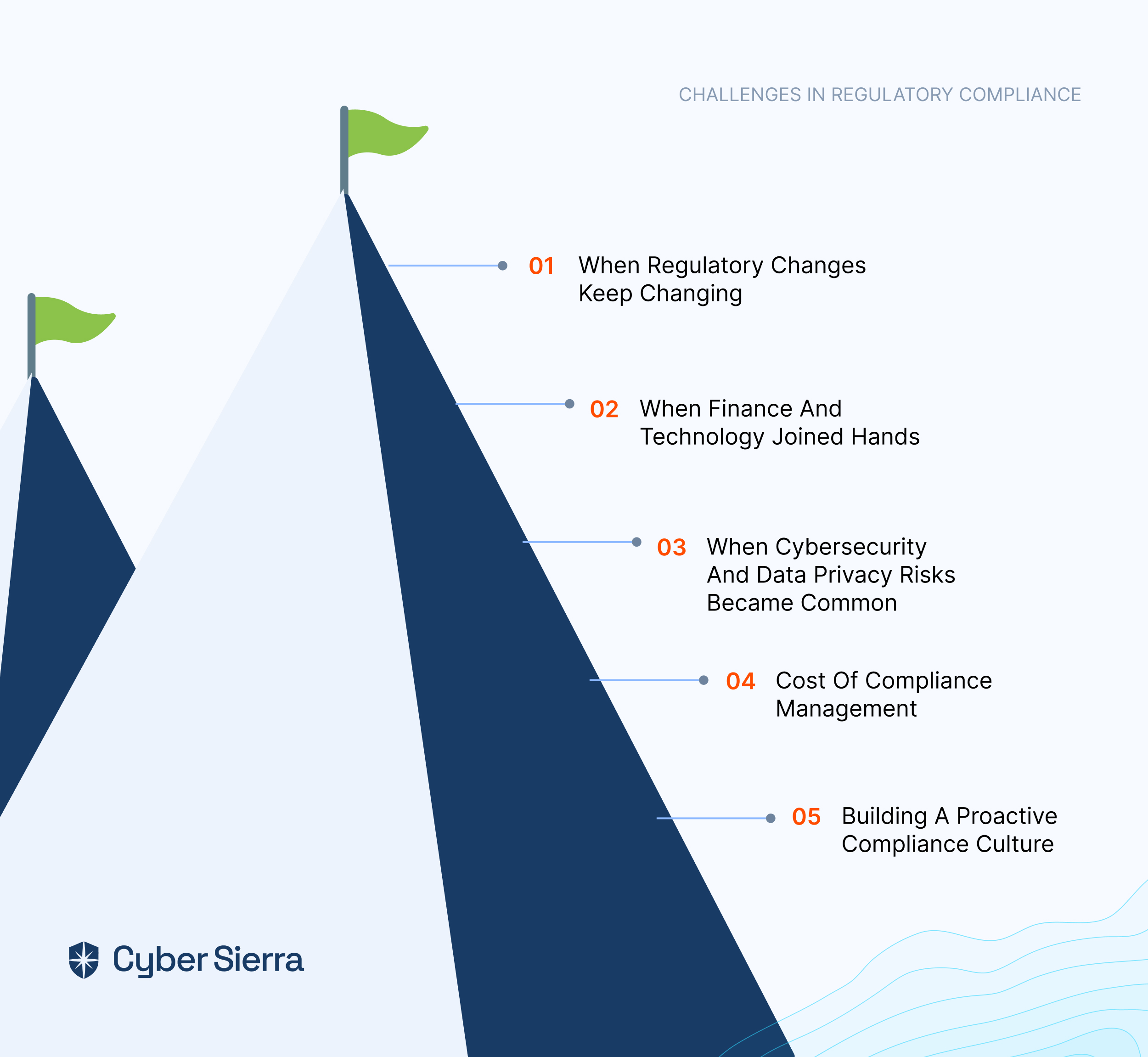
1. When Regulatory changes keep changing


Regulatory compliance requirements have experienced a surge in recent years, posing significant challenges for compliance teams across various industries and regions. Major regulations worldwide have undergone substantial revisions and upgrades, such as Singapore’s Compliance Code of Practice (CCoP) 2.0, Hong Kong’s Hong Kong Monetary Authority (HKMA) guidelines, the United States’ Federal Trade Commission (FTC) regulations, and Australia’s Comprehensive Income and Risk Management Program (CIRMP).


These evolving regulatory requirements demand continuous adaptation from compliance professionals to stay abreast of the latest standards and requirements. As regulations become more stringent and complex, compliance teams face mounting pressure to maintain comprehensive knowledge and effectively manage their organization’s compliance obligations. Failure to keep pace with these changes can result in substantial risks, including financial penalties, reputational damage, and potential legal consequences.


2. When finance and technology joined hands


The integration of technology into financial services brings undeniable benefits, but it necessitates increased collaboration between fintech and traditional institutions. This collaboration is essential to address potential overlaps and gaps in regulatory compliance requirements. Regulatory authorities face the challenge of understanding and regulating the combined characteristics of these entities from both financial and technological perspectives. As a result, there’s a growing need for new regulatory guidelines, particularly concerning anti-money laundering (AML) and privacy, to safeguard consumer security.


3. When cybersecurity and data privacy risks became common


Increasing global footprints and digital transformations have made all of us heavily rely on third-party technologies. There is a rise in cyber-attacks and data privacy issues when there is a third party involved. Third-party risk management is one of the top things to achieve in regulatory compliance management for every regulator. Proper data management and cybersecurity practices are the need of the hour.


4. Cost of compliance management


Besides the significant fees and penalties of non-compliance, budget constraints are a very important challenge for many businesses when it comes to regulatory compliance. While the costs associated with compliance are undeniable, it’s crucial to recognize that a strategic, enterprise-wide approach can not only mitigate these expenses but also unlock long-term benefits.


5. Building a proactive compliance culture


Establishing a strong culture of compliance is crucial for promoting good employee conduct, especially with the rise of remote and hybrid work models after the pandemic. Amidst these changes, the growing importance of culture and conduct risks highlights the need for compliance teams to encourage proactive reporting. However, achieving this goal presents numerous challenges. From effectively communicating regulatory updates to instilling a sense of caution regarding compliance management risks, compliance teams face the difficult task of ensuring that every employee is well-informed and engaged. Overcoming these obstacles and emphasizing the significance of regulatory compliance across the organization emerges as a formidable challenge for compliance teams.


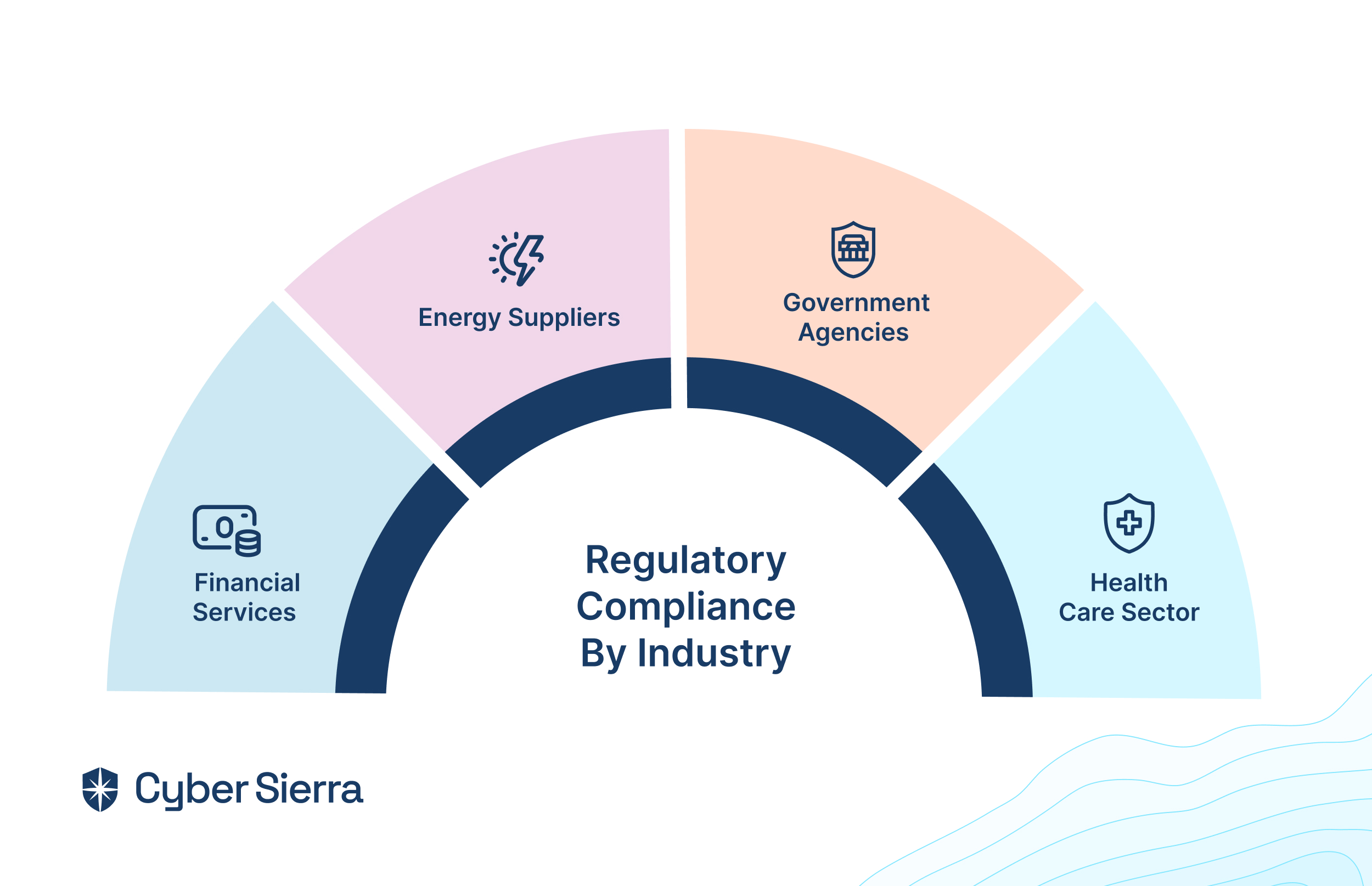
Regulatory Compliance by Industry


Regulatory Compliance By industry


The nature of regulatory compliance management and regulatory compliance requirements vary depending on different industries. Certain industries require heavy regulations compared to others.


1. Regulatory compliance for financial services


The financial services industry demands a tailored approach to compliance management due to the comprehensive and complex nature of regulations it is subject to. These regulations are designed to uphold stability, transparency, and consumer protection within the sector.


Regulatory bodies such as the Securities and Exchange Commission (SEC) , the Federal Reserve in the US, the Federal Information Security Management Act (FISMA), and the Financial Conduct Authority (FCA) across geographies, oversee compliance.


Regulatory compliance requirements mandate anti-money laundering (AML) regulations, know-your-customer (KYC) requirements, data security standards, including Payment Card Industry Data Security Standard – PCI DSS), and other financial reporting, regulatory standards such as Generally Accepted Accounting Principles – GAAP).


Furthermore, specific jurisdictions like Singapore (Monetary Authority of Singapore – MAS), India (Reserve Bank of India – RBI, Securities and Exchange Board of India – SEBI), Australia (Australian Prudential Regulation Authority – APRA, Australian Securities and Investments Commission – ASIC), and Hong Kong (Securities and Futures Commission – SFC, Hong Kong Monetary Authority – HKMA) have their own unique regulatory frameworks governing the financial services industry.


  • Singapore: MAS regulates financial stability, AML/CFT, and cybersecurity.
  • India: RBI and SEBI enforce prudential norms, risk management, and securities laws.
  • Australia: APRA ensures financial stability, while ASIC focuses on consumer and investor protection.
  • Hong Kong: SFC and HKMA overseas market integrity, AML, KYC, and data privacy.


2. Regulatory compliance for energy suppliers


Regulatory compliance in the energy suppliers industry mandates regulations for safety and environmental protection. Regulatory risk management for this industry aims to ensure safety, environmental protection, and efficient operations. These include compliance requirements related to environmental regulations (e.g., emissions standards, waste management), safety standards (e.g., Occupational Safety and Health Administration – OSHA in the US), and industry-specific regulations governing energy production, distribution, and pricing.


3. Regulatory compliance for government agencies


Government agencies are subjected to strict compliance regulations. This mandate helps in achieving equality for everyone and encourages ethical staff behavior. Compliance management for the government sector includes federal, state/provincial, and local laws, as well as regulations specific to the agency’s mandate. These can be budgetary regulations, procurement laws, and administrative procedures acts. Ethical standards are indispensable, and regulatory complaint requirements here foster avoiding conflicts of interest, maintaining transparency and accountability, and adhering to codes of conduct and ethics guidelines.


Since government agencies deal with sensitive information, such as citizen data, financial records, and classified materials, compliance with data security and privacy regulations is crucial to protect this information from unauthorized access, disclosure, or misuse. For example, in the United States, you are expected to comply with laws such as the Privacy Act, in the European Union, you are expected to comply with the General Data Protection Regulation (GDPR).


They are also required to ensure accessibility and non-discrimination in the delivery of their services and programs. This includes compliance with laws such as the Americans with Disabilities Act (ADA) in the United States, which mandates accessibility accommodations for individuals with disabilities.


4. Regulatory compliance for the healthcare sector


Healthcare companies require strict compliance laws. This is obvious as they store a lot of sensitive and personal patient data. Hospitals and other healthcare providers are built majorly on trust and reputation. This requires them to exhibit the necessary steps that they have taken to comply with certain regulations, such as patient privacy rules, including providing adequate server security and encryption.


How Does Regulatory Compliance Work?


How does regulatory compliance work


Regulatory compliance works as a systematic process. It enables organizations to adhere to relevant laws, regulations, standards, and guidelines that govern its operations. Here’s an overview of the process it entails:


1. Identify applicable regulations:


The organization first identifies the necessary regulations, laws, and standards relevant to its industry, jurisdiction, and activities. This process requires thorough research and understanding of the regulatory landscape.


2. Assessment and analysis:


Now that the applicable regulations are identified, it’s time to conduct a comprehensive assessment to understand the specific regulatory compliance requirements and implications for its business operations. This is usually done by analyzing the regulatory provisions, assessing current practices, and identifying any areas of non-compliance.


3. Developing a compliance framework:


The assessment is done and the findings are ready; now the organization develops a compliance framework that clearly outlines compliance management policies, procedures, controls, and measures that will ensure adherence to regulatory compliance requirements. Now, the roadmap for achieving and maintaining compliance is ready.


4. Implementing controls and processes:


Kudos! The compliance framework is in place now, and the organization implements the necessary controls, processes, and systems to operationalize the outlined compliance requirements. This is usually executed by establishing protocols for data protection, implementing safety procedures, conducting employee training, and integrating compliance into everyday business operations.


5. Monitoring and review:


One thing that needs to be understood is that compliance is an ongoing process. It requires continuous monitoring and constant review to ensure that the controls are effective, that the regulations are being followed, and tracking any changes in requirements are promptly addressed.


6. Documentation and reporting:


Every organization should maintain detailed documentation of its compliance efforts, including policies, procedures, records, and reports. Regulatory compliance documentation not only serves as evidence of adherence to regulatory requirements but will also be required for regulatory inspections, audits, and reporting obligations.


7. Adapting to changes:


Regulatory requirements will keep changing due to new legislation, updates, and evolving industry standards. Here, the organization stays informed about changes in regulations relevant to its operations and immediately adapts its compliance efforts accordingly.


How to Implement a Regulatory Compliance Plan?


Congratulations! You’ve made the wise decision to establish a robust regulatory compliance plan for your organization. Navigating the complex landscape of industry regulations can be daunting, but fear not – Cyber Sierra’s proven 8-step framework will guide you through the process, ensuring an effective and rewarding implementation.


1. What are your goals?


The first step is simply to simply define your goals. Ask yourself what you wish to achieve with your regulatory compliance management plan. The goals can be diverse – you might want to cut down the hefty fines, penalties, and payouts of the company, save time and expense based on retrospective investigations, or work with everyone in the team to use complaints to increase growth or it could be even as simple as getting awareness on a new piece of incoming legislation that might affect your organization in the future.


Begin by clearly defining your objectives for the regulatory compliance management plan. Whether it’s reducing financial liabilities, saving time on retrospective investigations, fostering team collaboration for growth, or staying ahead of upcoming legislation, establishing clear goals is essential. Sit down with your team to map out a risk assessment and prioritize goals for the short and long term, setting achievable targets to work towards. It’s crucial to set specific, measurable, achievable, relevant, and time-bound (SMART) targets to track progress effectively.


For example, if you head the operations of an international bank, the primary goal is to strengthen its regulatory compliance program to mitigate the risk of money laundering activities and ensure adherence to AML regulations. By implementing stricter compliance measures, you can aim to enhance your reputation, safeguard your assets, and maintain the trust of your customers and regulators.


2. What is your corporate culture?


Understand and draft what corporate culture your business falls into. When this is done, it is easier to align compliance with corporate culture. Aligning regulatory compliance with corporate culture makes it easier for everyone in the company to bring acceptance of your new policies. Ensure you outline the advantages of regulatory compliance management at each level of the company’s structure, and it will come a long way in making your employees understand its importance more clearly.


Identify and define the risks that compliance can help you avoid in each strategic area of the organization to build a strong case for your policy. Everyone in the company must be aware of your regulatory compliance management. Or your risk management efforts will turn out to be ineffective. For example, understand your bank’s corporate culture of integrity and transparency and encourage the compliance team to integrate AML compliance training into the organization’s values and mission. By emphasizing the importance of ethical conduct and regulatory adherence, you can foster a culture of compliance where every employee understands their role in preventing financial crimes.


3. What is your functional scope?


The scope of regulatory risk management is no longer a retrospective role. But it is more forward-facing and it only acts as a preventative function in the organization. If you want to foresee regulatory issues before they occur, you have to increase resources, and your compliance management plan needs to reflect that. Start at a basic level and gradually increase the scope over time.


Consider incorporating technologies like robotic process automation (RPA) and artificial intelligence (AI) to enhance efficiency and accuracy. Start with a foundational level of compliance and gradually expand the scope over time as resources allow. For example, by recognizing the proactive nature of regulatory risk management, you can allocate resources to enhance your AML compliance capabilities. Starting with basic transaction monitoring systems, you can gradually expand the scope to include advanced analytics and machine learning algorithms to detect suspicious activities and prevent potential money laundering risks.


4. What is the nature of your regulatory environment?


As discussed in the challenges already, the regulatory environment is always changing. This makes it essential for your team to stay on top of regulatory compliance trends at all times. Monitor legislative developments not only in your primary operating region but also in any other jurisdictions where your business operates. Thoroughly analyze proposed regulations to anticipate their impact on your operations. Break down regulatory requirements into actionable steps to ensure full compliance.


For example, your bank’s compliance team can stay vigilant in monitoring regulatory developments related to AML regulations globally. They can analyze updates to the Bank Secrecy Act (BSA) and Financial Action Task Force (FATF) recommendations to ensure City Bank’s compliance procedures remain up-to-date and align with evolving regulatory standards.


5. How to develop formal procedures, rules, and standards?


Now, you have a clear understanding of the prospective regulatory landscape. It’s time to develop the formal policies, standards, and procedures required to comply with the law. Though most of these procedures will closely follow the technical standards outlined in the legislation, you should also consider adding your own internal checks. This helps in identifying potential human or software errors and avoiding consequences.


For example, with a clear understanding of AML regulatory requirements, you can develop formal policies and procedures tailored to detect and prevent money laundering activities effectively. Collaborating with industry experts and regulatory authorities, you can establish robust customer due diligence processes and transaction monitoring protocols to comply with AML laws.


6. Have you trained your employees?


All your efforts will become null if your employees are not trained. Thorough training about your procedures is important, and making them understand the reasons behind them is mandatory to make sure that the business remains compliant. Train your employees to spot a compliance issue, report it accurately, and escalate it through the right means. At the next level, your management should be well-equipped to handle reports and take swift calls on what to do next, as well as how their operations with business partners are affected.


For example, you can conduct comprehensive AML compliance training programs for all employees, ranging from frontline staff to senior management. Through interactive workshops and scenario-based simulations, employees learn to identify red flags indicative of money laundering activities and understand the importance of reporting suspicious transactions promptly.


7. Do you practice accurate record-keeping?


Accurate record-keeping is crucial for demonstrating compliance with regulatory requirements and facilitating audits or investigations. Establish clear guidelines for documenting compliance-related activities and maintaining records securely. Regularly review and update record-keeping practices to adapt to changing regulatory landscapes.


For example, you can implement electronic record-keeping systems to maintain detailed transaction records and customer profiles, ensuring accurate documentation of AML compliance efforts and enabling timely reporting to regulatory authorities.


8. Do you monitor compliance consistently?


Continuously monitor and evaluate compliance performance to identify areas for improvement and ensure ongoing adherence to regulatory standards. Utilize analytics tools and metrics to track progress toward goals and measure the effectiveness of compliance initiatives. Regularly report findings to senior leadership to demonstrate the value of compliance efforts and secure support for future initiatives. You can use a digital tool such as CyberSierra to keep a central control repository, identify third-party risks, and automate data collection and risk assessment.


For example, you can continuously monitor your AML compliance performance using data analytics tools and risk assessment frameworks. By tracking key performance indicators such as transaction monitoring alerts and suspicious activity reports, you can assess the effectiveness of its AML controls and identify areas for improvement to strengthen your compliance program further.


Keeping a regular check on your goals on a quarterly or annual basis will help in evaluating your support compliance efforts. Present the results to your senior leadership and explain the benefits of an effective program. This motivates decision-makers to justify the efforts and investment in corporate regulatory compliance.


How does Cyber Sierra help you with regulatory compliance management?


Cyber Sierra understands business challenges and offers a comprehensive solution to simplify data collection, risk assessments, and compliance management. Our cutting-edge AI platform streamlines the entire process, making it effortless to gather, analyze, and interpret data, enabling you to identify and mitigate risks proactively.


Cyber Sierra automates data collection & risk assessments, helps with policies management, generates comprehensive reports and maintains detailed records for transparency and accountability. The platform also streamline compliance management across various regulatory frameworks using automation


Don’t let compliance complexities sink your operations. Take a proactive approach and experience the best regulatory compliance management for your business. Schedule a demo with Cyber Sierra today and unlock the power of automated, streamlined, and efficient compliance management.


FAQs


1. What is regulatory compliance management?


Regulatory compliance management, in simple terms, is a company’s adherence to laws, regulations, guidelines, procedures, rules, and other necessary specifications relevant to its business processes, industry and country of operation. Not adhering to regulatory compliance results in legal punishment, including hefty federal penalties.


2. Is regulatory compliance management important?


Regulatory compliance management is very important. It goes beyond merely adhering to legal requirements; it serves as a cornerstone for establishing a credible brand reputation, fostering trust with partners, customers, and stakeholders, and safeguarding the organization from potential breaches. Non-compliance can have severe consequences, including financial penalties, reputational damage, loss of consumer confidence, and even the potential termination of business operations.


3. How can regulatory compliance management benefit your organization?


Regulatory compliance benefits businesses by identifying and mitigating risks associated with legal and regulatory obligations. A robust compliance framework, encompassing comprehensive processes and stringent security controls, equips organizations to proactively mitigate and circumvent non-compliance incidents, such as data breaches, workplace accidents, or environmental contraventions. Adherence to regulatory mandates not only safeguards organizations from substantial financial penalties but also fortifies their brand reputation and credibility within the industry.


4. How often should you create a compliance management plan?


The frequency of creating a compliance management plan varies based on factors like industry standards, regulatory requirements, and organizational needs. While there’s no fixed rule, it’s generally recommended to review and update the plan at least annually. This ensures that it remains aligned with evolving regulations, business changes, and emerging risks, helping to maintain compliance effectiveness and mitigate potential issues.


5. Can we use automation for compliance management?


Yes, you can use compliance automation technology, such as Cyber Sierra, to continually check your systems for compliance. Compliance automation helps automate workflows and removes manual processes. For example, Cyber Sierra’s smart GRC automation helps in streamlining Governance, Risk, and Compliance (GRC) processes, saving time and effort in data collection, analyses, and reporting.

  • Governance & Compliance
  • CISOs
  • CTOs
  • Cybersecurity Enthusiasts
  • Enterprise Leaders
  • Startup Founders
Srividhya Karthik

Srividhya Karthik is a seasoned content marketer and the Head of Marketing at Cyber Sierra. With a firm belief in the power of storytelling, she brings years of experience to create engaging narratives that captivate audiences. She also brings valuable insights from her work in the field of cybersecurity and compliance, possessing a deep understanding of the challenges and pain points faced by customers in these domains.

A weekly newsletter sharing actionable tips for CTOs & CISOs to secure their software.


Thank you for subscribing!

Please check your email to confirm your email address.

Find out how we can assist you in
completing your compliance journey.
blog-hero-background-image
Governance & Compliance

How Much Does GRC Implementation Cost in 2024

backdrop
Table of Contents

Join thousands of professionals and get the latest insight on Compliance & Cybersecurity.


The Governance, Risk, and Compliance (GRC) market is expected to reach USD 27.1 billion by 2027, growing from an estimated value of USD 14.9 billion in 2022 at a Compound Annual Growth Rate (CAGR) of 12.6% from 2022 to 2027.

This trend stems from the complexities in cybersecurity, stricter regulatory requirements, and heightened competition among solution providers in the marketplace.  As your company shifts from older GRC systems to newer, automated technologies, evaluating the return on investment becomes crucial.

This blogpost provides a comprehensive analysis of the costs involved in GRC implementation, including expenses for training and compliance, to help you effectively manage your budget for GRC initiatives in 2024.

What Does GRC Software Do?

GRC software provides technological solutions to manage business risks, implement security best practices, facilitate decision-making, and ensure compliance. By centralizing vital functions, it streamlines processes, enhances visibility, and promotes efficiency.

Here are the key capabilities of GRC software:

capabilities-of -GRC-software

1. Risk Assessment

GRC software helps organizations identify and assess high-impact risks, recognizing indicators that lead to these risks. It includes managing internal risk factors and vendor or third-party risks. Organizations can create risk response workflows to initiate remediation actions and prioritize potential risks based on criticality. 

2. Compliance Functions

GRC platforms continuously monitor business processes to ensure adherence to corporate policies and regulatory requirements. They manage findings from internal and external audits, making it easy to present these findings to third-party auditors for seamless audit management. 

3. Workflow Management

Modern GRC tools offer workflow automation capabilities that streamline compliance tasks and processes. They standardize procedures for task assignment and tracking, incident response management, policy reviews, approvals, and more. These tools automate repeatable tasks, gather insights, and facilitate change management. 

4. Document Management

GRC tools assist in creating, tracking, and storing vital documentation such as digitized policies, SOPs, and audit logs. They include a version control system, making it easy to locate and access both the latest and historical documents. 

5. Data and Analytics

GRC software features reporting dashboards that provide insights into governance, risk, and compliance activities. The analytics function supports data-backed decision-making, and capabilities like data visualization enhance stakeholder understanding.

How much does GRC software implementation cost?

When you're determining the cost of GRC software, you'll need to navigate a complex pricing landscape tailored to your company's specific needs. Factors such as your company's size, the number of users, the chosen software version and features, and the required compliance frameworks you consider also heavily influence pricing. While this customization allows organizations to align their GRC solutions with operational demands closely, it also adds complexity to cost assessment.

For instance, here's a glimpse into the pricing strategies of some well-known GRC platforms:

Furthermore, platforms like ServiceNow Governance Risk and Compliance, Enablon, SAI Global Compliance 360, Riskonnect, and Fusion Risk Management prefer to offer custom quotes, tailoring their pricing to suit each client's unique specifications perfectly.

When you're assessing the cost of GRC software, it's essential to take into account not only the initial expenses but also additional costs related to customization, software integrations, implementation, and user training.

These factors can significantly impact the overall financial commitment and should be carefully considered in your budget planning for 2024.

Different pricing of GRC tools (breakdown)

Different-pricing-GRC-tools

When you're considering GRC implementation, remember that the total cost extends beyond just buying the software. It includes various factors such as license fees, the scale of implementation, security tools, and consulting charges. So, as you plan, make sure to account for all these elements to get a clear picture of the overall expenses involved.

1. Licensing:

You'll find that costs can differ widely depending on the vendor you choose and how they structure their licensing. 

Some might charge per user, per module (such as risk management or compliance management), or even per managed vendor or organization. 

Some vendors offer GRC as a subscription service. So, when you're considering options, it's important to weigh these factors carefully to find the best fit for your needs and budget.

2. Implementation Costs:

When you're looking at the expenses, keep in mind that the scale of deployment plays a big role. Larger deployments, especially at the enterprise level, usually demand more customization, which means they can be pricier. 

For smaller-scale setups, you might be looking at costs ranging from $75,000 to $150,000. However, if you're considering enterprise solutions, be prepared for a starting point of $250,000, with potential costs surpassing $500,000. 

So, as you plan, consider both the scale of your deployment, the extent of implementation across the org,  and the corresponding budget implications. 

3. Internal Costs:

As you plan your GRC implementation, remember to budget for various expenses. These may include hardware costs, especially if you're setting up on-premise systems, as well as investments in security tools, data migration, training, and software integration.

 Integration expenses, for example, can range anywhere from $5,000 to $50,000 or more. The final figure depends on the complexity of your current tech setup and the specific needs of the GRC software you choose.

 So, it's crucial to factor in these additional costs when planning your budget.

4. Maintenance and Support:

When calculating the total cost of GRC, consider ongoing support and maintenance fees. These expenses are important because they cover updates, technical assistance, and renewals. 
For example, vendors such as SAP might require you to pay 17%-22% of the maintenance cost of the license.

So, as you plan your GRC implementation, include these ongoing fees in your budget calculations.

5. Consulting Services: 

When planning your GRC implementation, consider consultancy fees, which are often underestimated.

Consulting rates can vary greatly, with the average hourly fee for a GRC consultant in the USA being around $63. 

For a project lasting 3-4 months, you might expect consultancy fees to range from $20,000 to $35,000. So, as you budget for your GRC project, account for these potential additional costs.

Understanding these various components helps better budget and evaluate the real cost of implementing GRC solutions in 2024.

GRC training cost

GRC training is a vital organizational initiative that educates employees about governance, risk, and compliance processes, emphasizing the importance of regulatory adherence, risk management strategies, and internal policies. 

GRC-training-cost

Training costs can start as low as $250 and can rise to over $12,000, influenced by various factors:

1. Training Provider: 

When considering training options for your GRC implementation, keep in mind that costs can differ based on whether you opt for in-house training or online courses. 

 Different providers offer varying rates, so it's essential to research and compare options to find the most suitable and cost-effective training solution for you.

2. Training Scope and Coverage: 

 When you're considering training options for your GRC implementation, remember that the price can be influenced by the depth and coverage of the training content. Basic courses typically have lower costs, while more extensive, advanced training tends to require a higher fee. 

 So, as you plan your training program, consider the level of expertise needed and weigh it against your budget.

3. Number of Employees: 

 When budgeting for training, remember that costs are typically based on the number of participants. 

If your company has over 1000 employees, you might see prices go up. However, some providers offer discounts for bulk registrations, so it's worth exploring options to maximize your training budget.

4. Certification Needs: 

 If your organization decides to invest in certified training programs for its employees, this will add to the overall cost of your training package.

GRC training programs are typically priced between $1.5 and $2.5 per employee per month, billed annually. 

This means annual training costs range from $18 to $30 per employee. Here's a rough breakdown of estimated costs based on the number of employees:

  •  Up to 100 employees: Around $250
  •  100-500 employees: Approximately $1,000
  •  500-1,000 employees: Over $2,000
  •  More than 1,000 employees: Between $4,000 and $12,000, depending on the training provider and the specific program chosen.

So, as you consider your training options, consider the potential costs associated with certified training programs and how they align with your budget and organizational needs.

This pricing structure helps organizations budget effectively for their GRC training needs, ensuring employees are well-prepared to manage compliance and risk effectively.

GRC Compliance cost

For sectors like healthcare and finance, compliance through GRC is especially crucial. It combines various practices, processes, and tools to ensure adherence to regulations and prevent penalties or damage to brand reputation.

When you're considering investing in GRC software specifically for compliance, remember that the initial software cost is just one part of the overall expense. You'll also need to budget for additional costs on security measures like mobile device management (MDM), vulnerability scanners, and antivirus software. Plus, there are expenses related to awareness training, auditing tools, and setting up monitoring systems.

Taking these factors into account, the estimated cost of GRC for compliance typically ranges from $10,000 to $60,000 for small businesses. For larger enterprises, costs usually start at over $150,000, with an average over five years ranging between $450,000 and $500,000. 

This cost range reflects the significant investment necessary to maintain compliance and ensure smooth operations in highly regulated environments.

 Why should you choose CyberSierra?

Why-should-you-choose-CyberSierra

Choosing CyberSierra for your compliance needs offers a comprehensive, cost-effective solution designed specifically for modern, cloud-centric businesses.

CyberSierra is a unified platform that simplifies all compliance tasks without extra charges for additional features. By choosing cyber sierra, you gain instant access to a range of essential features at no extra cost:

  1. Integrated Risk Assessments and Third-Party Risk Management: Seamlessly handle internal and external risks.
  2. Policy Management: Utilize pre-designed templates tailored for cloud-based operations.
  3. Security Training Modules: Access built-in training resources to enhance your team's security awareness.
  4. Real-Time Compliance Reports: Enjoy full visibility with unlimited monitoring of your infrastructure entities and the ability to add custom controls or frameworks.
  5. Additional Support: Benefit from 24x5 customer support services to address any queries or issues.

CyberSierra offers diverse plans, ranging from Standard to Enterprise, catering to various needs. Whether you require basic compliance and risk management for smaller setups or extensive controls, unlimited assessments, and specialized customer support for larger enterprises, CyberSierra's adaptable plans ensure efficient compliance fulfillment, fostering a secure and resilient operational environment.

 When evaluating GRC solutions for your organization, it's essential to consider both your unique needs and budget. 

 At CyberSierra, we recommend conducting a thorough assessment, including trial periods and engaging key stakeholders, to identify the best GRC solution for your organization. Our GRC system offers many essential and optional features, eliminating the need for multiple other security tools.

 CyberSierra stands out not just for its cost-effectiveness but for its comprehensive capabilities. Our solution includes integrated risk management, dynamic reporting dashboards, automated workflows, real-time monitoring, and robust audit support. This ensures your organization is well-equipped to handle compliance, risk, and governance needs efficiently and effectively.

  • Governance & Compliance
  • CISOs
  • CTOs
  • Cybersecurity Enthusiasts
  • Enterprise Leaders
  • Startup Founders
Srividhya Karthik

Srividhya Karthik is a seasoned content marketer and the Head of Marketing at Cyber Sierra. With a firm belief in the power of storytelling, she brings years of experience to create engaging narratives that captivate audiences. She also brings valuable insights from her work in the field of cybersecurity and compliance, possessing a deep understanding of the challenges and pain points faced by customers in these domains.

A weekly newsletter sharing actionable tips for CTOs & CISOs to secure their software.


Thank you for subscribing!

Please check your email to confirm your email address.

Find out how we can assist you in
completing your compliance journey.
blog-hero-background-image
Governance & Compliance

Everything You Need to know about SOC 2 Controls List

backdrop
Table of Contents

Join thousands of professionals and get the latest insight on Compliance & Cybersecurity.


Starting a SOC 2 journey is a proactive measure to enhance your organization's security posture.

To maximize its effectiveness,  it’s crucial to carefully select and implement SOC 2 controls that are well-suited to your specific organizational needs.

The selection of these controls should be based on a comprehensive risk assessment that evaluates potential security threats specific to your business operations and stages of growth. It's also important to consider your customers' security expectations and requirements, as meeting these can significantly boost trust and satisfaction.

By choosing SOC 2 controls thoughtfully, you can strategically prioritize which aspects of your information security to strengthen first. This prioritization should be based on your most pressing risks and vulnerabilities.

Such a targeted approach makes your efforts more efficient and ensures that resources are utilized effectively, thereby enhancing security measures while supporting ongoing business operations.

As you systematically tackle these areas, your company can develop a strong security posture that evolves with your business and adapts to new threats. This strategic focus on security protects sensitive data and establishes your company as a dependable and secure entity in your industry.

In this article, we write about  SOC 2 Trust Service Criteria, delve into SOC 2 controls, and pinpoint the key controls necessary to meet these criteria.

What are SOC 2 Controls?

SOC 2 controls are a broad spectrum of protocols, policies, and technological systems specifically designed to bolster your organization's information security management. 

These controls are integral to the SOC 2 Trust Services Criteria (TSC) and undergo a thorough evaluation by auditors during the SOC 2 audit and report preparation.

These controls span a wide array—from administrative safeguards that dictate data management and access control to technical defenses that protect against unauthorized access and data breaches. Key elements include encryption techniques, secure data storage options, and robust firewall setups.

SOC 2 controls also manage operational procedures like data backup execution, data recovery protocols in case of data loss, and the routine updating and patching of software systems.

An essential component of SOC 2 controls is the training of employees on security awareness and operational procedures, ensuring they understand their roles in upholding security.

Each control is customized to mitigate specific risks pertinent to the services your company offers, safeguarding sensitive information from both external and internal threats. 

This holistic approach demonstrates your organization's commitment to security best practices, thereby enhancing trust with your clients. 

SOC 2 Control Examples

SOC 2 controls are designed to enhance data security across various processes within your organization. Key examples include:

SOC2-Controls-Examples

1. Password Management: 

Establishing strong password policies is essential for securing system access within your company. This control ensures that you implement comprehensive guidelines for creating and managing passwords, significantly enhancing the protection of your organization's data and systems. 

By enforcing these policies, you effectively guard against unauthorized access, safeguard sensitive information and maintain operational security.

2. Multi-factor Authentication (MFA): 

Implementing multi-factor authentication introduces a critical layer of defense for your company by demanding more than just a password for access. 

Before granting access, this method requires you to verify your identity through multiple proofs, such as a code sent to your phone or a fingerprint scan. 

This approach greatly enhances your security posture by reducing the risk of unauthorized entry, ensuring your company's data remains protected.

3. Access Control: 

By establishing specific permissions and defining roles, you ensure that only authorized members of your organization can access sensitive information. This targeted approach helps maintain the security and integrity of your data.

4. Onboarding:

When onboarding new employees, ensure they are thoroughly familiar with your organization's security practices and protocols. This step is crucial in equipping them with the knowledge they need to uphold your company's security standards.

5. Offboarding: 

Ensure your offboarding procedures are secure by revoking access to critical systems and data for departing employees. This practice protects your company from potential security threats by preventing unauthorized access after their departure.

These controls serve as the foundation of SOC 2 compliance checklist, ensuring that you protect sensitive data and uphold the integrity of your organization.

SOC 2 Control List

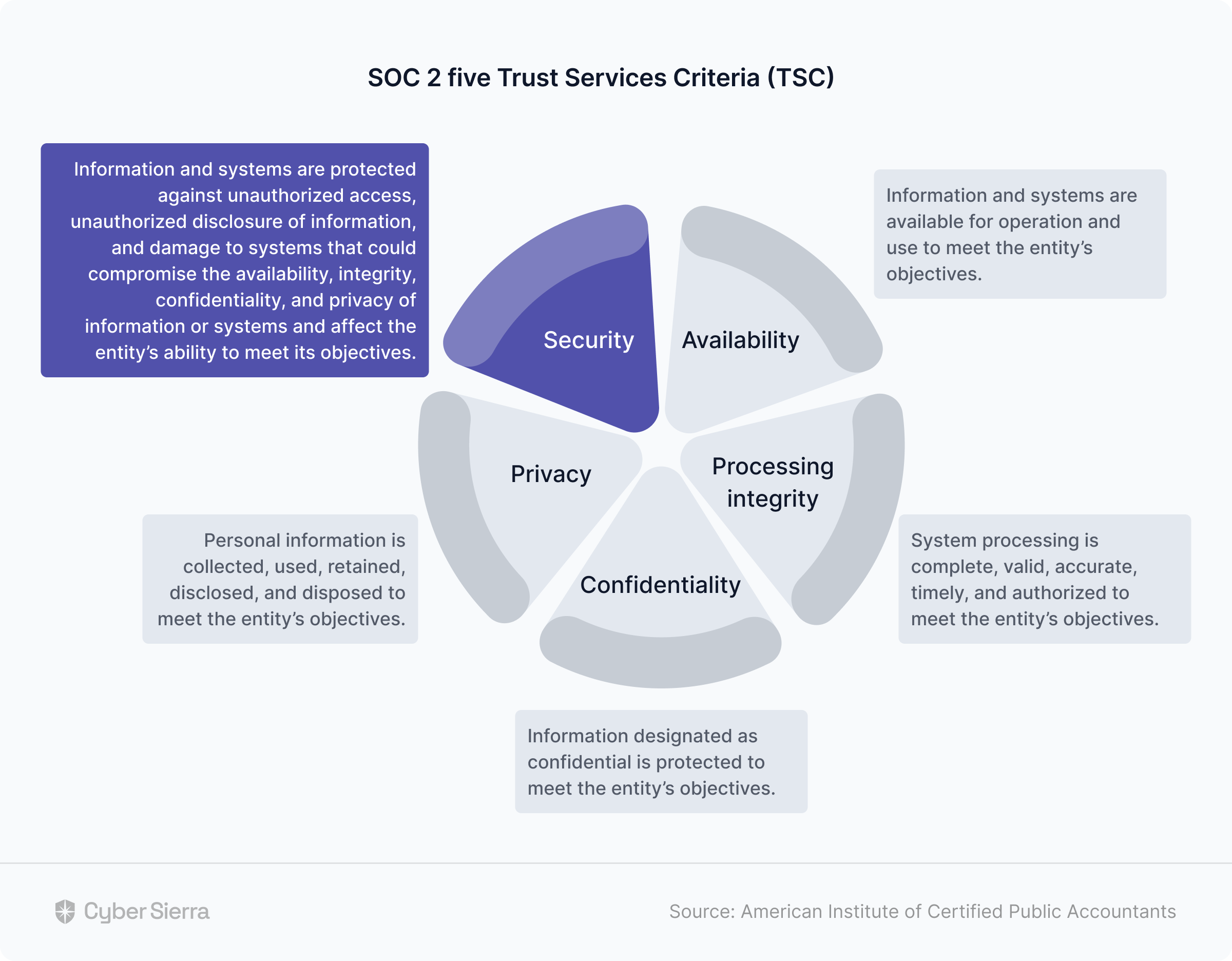
The list of SOC 2 controls originates from the five Trust Service Criteria, which auditors use to evaluate companies during a SOC 2 audit.

The Trust Services Criteria are a set of principles and criteria established by the American Institute of CPAs (AICPA) that pertain to SOC 2 reports. They are designed to evaluate and report on the effectiveness of controls related to security, availability, processing integrity, confidentiality, and privacy of a service organization's system. By adhering to these criteria, organizations can demonstrate their commitment to maintaining high standards of data protection and operational integrity.


These controls encompass all the processes, procedures, and systems you implement to protect customer data in compliance with SOC 2 standards.

SOC2-Controls-List

1. Control Environment:

This approach highlights the critical role of integrity and ethical values in your organization. It necessitates the active participation of your board of directors and senior management in developing and overseeing internal controls. 

Moreover, it ensures that each individual is held accountable for fulfilling their part in meeting the organization's goals.

2. Monitoring and Control Activities: 

Regular evaluations are conducted to quickly identify and rectify any control deficiencies, ensuring that these findings are clearly communicated to stakeholders. You establish policies and procedures to maintain strong governance and ensure strict compliance with security protocols.

3. Logical and Physical Access Controls: 

This control mandates that you protect your information assets by implementing stringent measures for logical access, such as issuing and managing credentials and authorizations. It also involves regulating physical access to your facilities to prevent unauthorized entry.

4. System and Operations Controls: 

This approach centers on detecting and monitoring changes in your systems that could pose security risks. Additionally, it involves establishing a clearly defined incident response program to handle any security breaches that occur efficiently.

5. Change Management Controls: 

These controls encompass the entire process from authorizing to fully implementing changes in your infrastructure, data, software, and procedures. They guarantee that all modifications align with your organization's objectives and maintain security integrity.

6. Risk Mitigation Controls: 

This process requires you to identify and develop strategies that minimize potential disruptions. This includes creating and implementing comprehensive incident response plans that effectively manage and mitigate security incidents.

Steps to Implement SOC 2 Controls Effectively

To effectively implement SOC 2 controls, you need a strategy customized to your organization's unique requirements. Here's how to begin:

Steps-to-Implement-SOC 2-Controls- Effectively

1. Select the Trust Service Criteria: 

Gain a clear understanding of how each of the five Trust Services Criteria specifically relates to your company’s operations, systems, and the various types of data you manage. The five TSCs are Security, Availability, Processing Integrity, Confidentiality, and Privacy, with Security being a mandatory criterion. 

Recognize the unique impact of these criteria on different aspects of your business, from daily operational procedures to long-term data security strategies. For instance, the Security criterion focuses on protecting information and systems from unauthorized access, while Availability ensures that systems are operational and accessible as needed. Processing Integrity ensures that system processing is complete, valid, accurate, timely, and authorized. Confidentiality addresses the protection of sensitive information, and Privacy concerns the management and protection of personal information.

This deeper insight will help you select the relevant TSCs and tailor your compliance efforts effectively, ensuring they are not only thorough but also directly aligned with your organization's specific needs and challenges.

2. Determine the scope of compliance: 

Determine the specific systems, processes, and types of data involved in your operations, taking into account their roles in your business functions and any interactions with third parties. 

You need to consider how these elements integrate with your overall business strategy and how they might be impacted by external partners.


This comprehensive assessment helps ensure that your approach to managing these areas is strategic and effective, enhancing overall operational security and efficiency.

3. Select appropriate controls: 

Select SOC 2 security controls that closely fit the specific needs of your business operations, meet industry standards, and address the type of data you manage. You need to customize these controls to handle your industry's particular risks and compliance requirements effectively. 

This tailored approach improves your compliance and strengthens your organization's data protection, ensuring a solid defense against potential threats. 

4. Focus on risk management: 

Choose controls that effectively reduce the risks and vulnerabilities you've identified. Assess the potential impact and likelihood of each risk to accurately prioritize your control strategies.

It’s important to focus on risks that pose the greatest threat to your operations and allocate resources to controls that will offer the most significant protection. For instance, if your organization deals with sensitive customer data, implementing robust encryption methods and strict access controls would be critical. Alternatively, if you face significant cyber threats, investing in advanced intrusion detection systems and regular security training for employees could be the most effective measures.

This strategic prioritization ensures that your efforts are both efficient and effective, safeguarding your organization’s assets and operations against the most critical challenges.

5. Align controls with compliance requirements: 

Choose controls that not only comply with SOC 2 standards but also address additional regulatory requirements specific to your industry. This holistic approach strengthens your security and extends your compliance coverage.

You must integrate these controls seamlessly into your operations, ensuring that you are not only meeting the necessary legal standards but also proactively protecting your organization from potential security breaches. For example, in the healthcare industry, implementing HIPAA-compliant encryption for patient data and conducting regular privacy audits are crucial. In the financial sector, adhering to PCI DSS requirements by using secure payment processing systems and conducting frequent vulnerability assessments is essential. These measures not only ensure compliance but also enhance your organization's security posture.

This strategy enhances the overall resilience of your business against risks and aligns with best practices in your sector.

How much does SOC 2 Control Implementation Cost?

The costs associated with implementing SOC 2 controls vary widely, depending on several critical factors. Here’s a breakdown of typical expenses you might encounter:

1. Readiness Assessment: 

Costs typically vary between $5,000 and $15,000 for this initial evaluation, which plays a crucial role in pinpointing areas that require enhancement before you proceed to the final audit. It’s important for you to consider this as an investment in your company’s future compliance and security posture. 

By identifying and addressing these areas early, you can streamline the audit process, potentially reduce future compliance costs, and better prepare your organization for rigorous external scrutiny.

2. Consulting and Software: 

You should expect to spend between $10,000 and $50,000 in professional SOC 2 consulting services and specialized compliance software. This range reflects the varying scope and complexity of services and tools required to meet your specific needs.

By allocating funds towards expert guidance and advanced software, you enhance your organization's ability to meet SOC 2 requirements effectively. 

This investment not only helps secure your data but also streamlines your compliance processes, making them more efficient and reliable.

3. Other Tools and Software Investment: 

When setting up new systems for asset inventory, compliance monitoring, and cybersecurity, you can expect costs to range from $5,000 to $40,000. 

The variation in costs largely depends on the sophistication of your current infrastructure. Investing in these systems is crucial for enhancing your organization's ability to track assets, monitor compliance, and protect against cybersecurity threats. 

This financial commitment aids in fortifying your operations and aligns with best practices in risk management and regulatory compliance.

4. Legal and Policy Setup: 

Establishing and reviewing policies and contracts to align with Trust Service Criteria could incur costs up to $10,000. Moreover, training your employees on these policies and other compliance aspects may add up to $5,000, though the total expense can vary depending on your company's size. 

These investments are essential for ensuring that your operations comply with industry standards and for equipping your staff with the necessary knowledge to uphold these standards effectively.

5. Audit Expenses: 

Certified Public Accountants perform these audits, which may cost you between $5,000 and $50,000. The specific cost depends on the scope and objectives of your SOC 2 certification efforts. 

This range allows you to anticipate budgeting according to the depth and breadth of the audit required to meet your certification goals effectively.

Overall, these figures underscore the importance of thorough budget planning to cover all aspects of SOC 2 compliance.

Getting SOC 2 compliant with Cyber Sierra

Getting SOC 2 compliant using Cyber Sierra's platform is an easy and error-free experience. From identifying controls and control gaps to mapping them to the required trust services criteria (TSC), your SOC 2 journey with Cyber Sierra is streamlined from the get-go.

Here's a look at how Cyber Sierra helps:

Streamlined Compliance Journey: Cyber Sierra's comprehensive platform simplifies the SOC 2 implementation and management process. Automated evidence collection and workflows also significantly reduce manual work and ensure accurate documentation, a must-have for SOC 2 compliance.

Real-Time Monitoring: With Cyber Sierra's intuitive dashboards, organizations can continuously monitor compliance and identify control gaps and breaks quickly. Real-time alerts help you stay ahead of potential security risks.

Expert Guidance and Best Practices: Cyber Sierra offers tailored guidance to help you navigate SOC 2 requirements specific to your organization. By implementing industry best practices, you can effectively strengthen your compliance posture.

Enhanced Data Security: Cyber Sierra's platform is enabled with two-factor authentication (2FA), ensuring data protection and controlled access. Protecting sensitive information is paramount with Cyber Sierra's integrated risk management tools.

Seamless Integration: Cyber Sierra integrates easily with your existing systems, facilitating efficient data flow and minimizing disruptions during the compliance process. This ensures a smooth transition to SOC 2 compliance.

Market Differentiation: What sets Cyber Sierra apart from competitors is the access to a host of other features on its platform. You can run vulnerability scans, access our robust third-party risk management modules, continuous control monitoring feature, and employee security training module, eliminating the incremental costs of investing in individual tools for each of these.

Schedule a demo to see how Cyber Sierra's unique features can expedite your SOC 2 compliance journey and enhance your overall governance framework.

- FAQs

1. Is SOC 2 certification necessary?

While SOC 2 certification is not mandatory, it verifies that your organization implements robust security measures to protect sensitive data. 

2. What are the consequences if an organization fails to implement SOC 2 controls?

If an organization does not meet SOC 2 standards, the auditor will issue a report indicating deficiencies. This adverse report highlights the urgent need to address these issues to improve security controls for future evaluations.

3. Are all Trust Service Criteria required for SOC 2 compliance?

Not all Trust Service Criteria need to be selected to get SOC 2 compliance. Organizations should choose relevant criteria based on the services they provide and their customers' requirements. Of the five TSCs, security is mandatory. 

4. How often should SOC 2 compliance be reassessed?

SOC 2 compliance typically requires annual reassessment to ensure continuous adherence to the selected criteria and security controls. This ongoing evaluation helps identify any new risks or gaps in control measures, and maintain compliance

5. Can small businesses benefit from SOC 2 compliance?

Yes, even small businesses can benefit from SOC 2 compliance. It enhances trust and credibility with customers by demonstrating a commitment to security, which can be particularly valuable in competitive or sensitive market sectors.

  • Governance & Compliance
  • CISOs
  • CTOs
  • Cybersecurity Enthusiasts
  • Enterprise Leaders
  • Startup Founders

A weekly newsletter sharing actionable tips for CTOs & CISOs to secure their software.


Thank you for subscribing!

Please check your email to confirm your email address.

Find out how we can assist you in
completing your compliance journey.
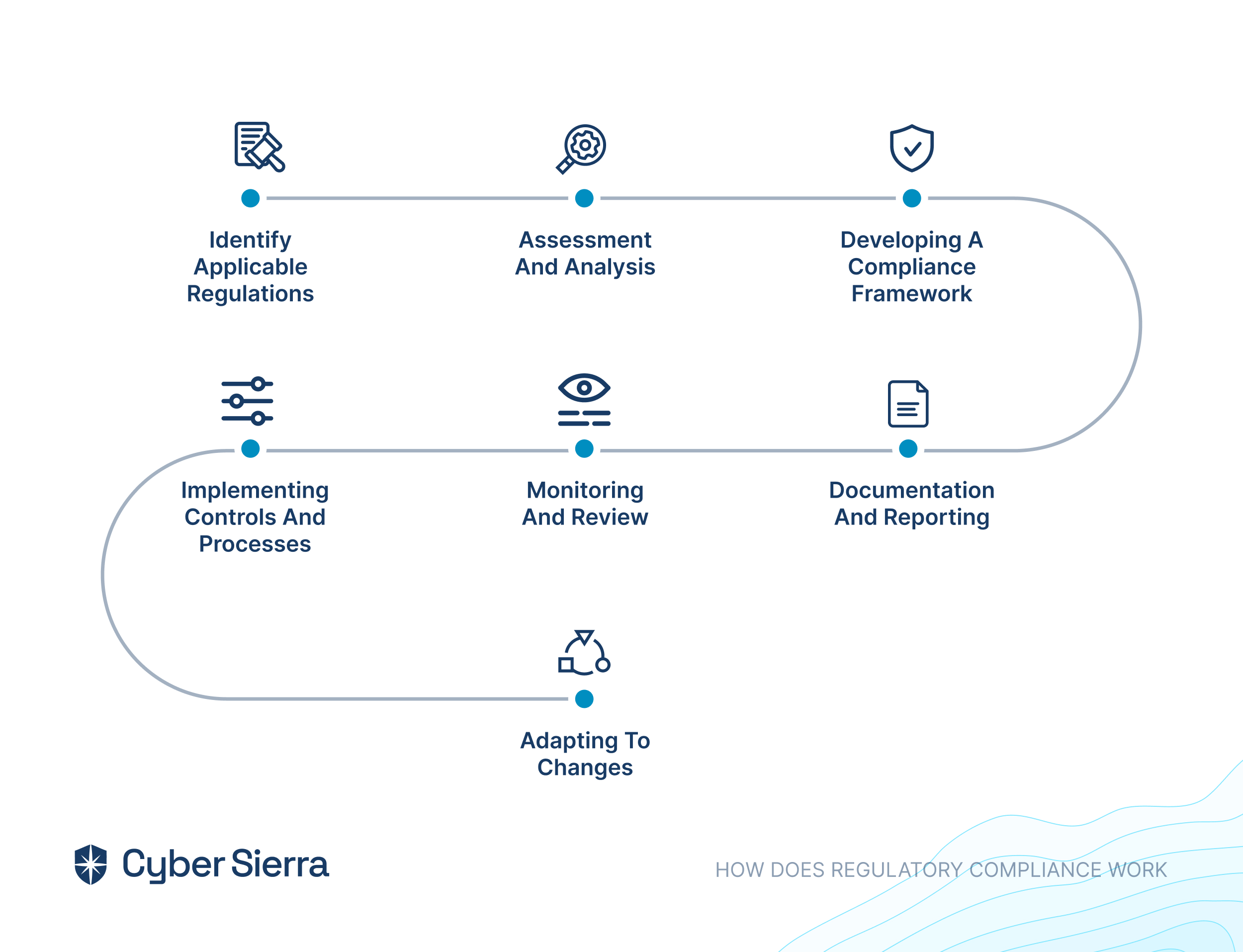
blog-hero-background-image
Governance & Compliance

Top 10 Alternatives to Scrut in 2024

backdrop
Table of Contents

Join thousands of professionals and get the latest insight on Compliance & Cybersecurity.


Top 10 Alternatives to Scrut in 2024

Are you on the lookout for a robust compliance management software that could enhance your data security and compliance management processes?
 
Scrut has certainly carved a niche for itself in the business world as a preferred choice for handling compliance matters, but it might not be the perfect fit for every organization’s specific needs. It’s crucial to thoroughly evaluate all accessible alternatives before settling on your final choice.
 
In this guide, we will shed light on 10 promising alternatives to Scrut and delve into the unique advantages they hold over their rivals.


Top 10 Scrut Alternatives: Key Features, Pricing Plans, and More

Here are the top 10 alternatives to Scrut that we have shortlisted for you:

  1. Cyber Sierra
  2. Vanta
  3. Secureframe
  4. Drata
  5. Sprinto
  6. AuditBoard
  7. Wiz
  8. Acronis Cyber Protect Cloud
  9. Druva Data Resiliency Cloud
  10. Duo Security

Let’s look at them one by one.


1. Cyber Sierra


Cyber Sierra - Alternatives to Scrut

Source


Overview

Cyber Sierra offers a comprehensive, one-of-a-kind cybersecurity suite, created specifically to fulfill the requirements of Chief Information Security Officers (CISOs), technology pioneers, and other personnel engaged in the realm of data protection.
 

One notable attribute of Cyber Sierra is its seamless convergence of various security modules, forming an all-in-one security solution.
 
It unifies governance, risk management, cybersecurity compliance, cyber insurance offerings, threat landscape, and staff security training programs into its consolidated platform, effectively reducing the fragmentation often found in the many cybersecurity solutions in the market.


Key features

  • Omni governance: aids firms in achieving compliance standards recognized globally – ISO 27001, SOC 2, HIPAA, GDPR, and PDPA.
  • Cybersecurity health check: performs thorough assessment and identification of threats linked to your digital entities.
  • Staff security education: provides a curriculum to empower employees in detecting and deflecting phishing attempts.
  • Third-party risk oversight: simplifies the process of security clearance for vendors and ensures routine monitoring of potential risks.
  • Continuous control monitoring: Monitors in near real-time the security controls, flagging off controls breaks and risk mitigation strategies.


Strengths

  • All-in-one security solution: brings together governance, risk management, cybersecurity compliance, cyber insurance offering, threat landscape, and personnel training modules in one consolidated platform.
  • Continuous surveillance: active, 24/7 risk monitoring, threat anticipation and risk grading.
  • Vendor risk command: simplifies the complexity of managing third-party associates and brings down associated risks.


Weaknesses

  • The platform is relatively new in the market.


Optimal for:

Cyber Sierra provides perfect resonance for both established corporations and startups confronted with regulative compliance, data protection, and similar concerns.
 
Additionally, it benefits corporations aiming to harmonize their cybersecurity, governance, and insurance methodologies, transitioning from multiple vendors to an integrated, intelligent platform.


2. Vanta


Vanta

Source


Overview

Vanta is a platform that specializes in security and compliance management, with a focus on simplifying the processes involved in achieving SOC 2 compliance. It underscores the importance of security in a company’s technology environment by enabling continuous monitoring and automation of compliance processes. This functionality significantly decreases the amount of time and resources needed to prepare for SOC 2 certification.


Key features

  • Continuous Monitoring: By offering continuous security monitoring, Vanta ensures real-time compliance, enabling companies to remain updated and secure at all times.
  • Automation: To make the SOC 2 certification process faster and more efficient, it automates compliance efforts, streamlining workflows and reducing manual intervention.
  • Integration: It provides seamless integration with popular services and platforms like AWS, GCP, Azure, and more. This wide range of integration options makes it more adaptable to different technology environments.


Strengths

  • Time efficiency: Reduces the time and effort required to achieve SOC 2 compliance, saving companies valuable resources.
  • Integration: Integrates easily with numerous popular platforms, making it adaptable to various technology environments.


Weaknesses

  • Limited Scope: As a specialist in SOC 2 compliance, Vanta may not cater to other security frameworks or standards that some businesses might need.
  • Customization: With restricted customization options, Vanta may be less flexible for businesses that have unique compliance needs or those seeking to tailor their experiences.


Best suited for

Vanta serves as an excellent solution for mid-sized to large businesses, especially those from industries that necessitate strict security compliance standards. This makes it relevant for sectors such as technology, healthcare, or finance, where compliance with stringent security standards (like SOC 2, ISO 27001, HIPAA, PCI and GDPR) becomes unavoidable.


3. Secureframe


Secureframe

Source

Overview

Secureframe is a distinct compliance platform precisely developed to ease the process of achieving SOC 2 and ISO 27001 certifications. The tool’s strength lies in delivering thorough and consistent monitoring across multiple cloud platforms, including AWS, GCP, and Azure.


Key Features

  • Compliance monitoring: Secureframe offers continuous compliance monitoring across a diverse suite of services, ensuring round-the-clock security.
  • Automation: Through automation, Secureframe can dramatically decrease the time and resource requirements typically associated with security compliance tasks.
  • Integration capabilities: The platform operates smoothly with leading cloud services like AWS, GCP, and Azure, promoting harmonious operations.


Strengths

  • Robust reporting: Secureframe provides comprehensive and easy-to-understand reporting functionality, making it easier for businesses to keep track of compliance and security statuses.
  • User-friendly interface: The platform boasts a simplified, intuitive interface that makes navigation and task execution easy for users without technical expertise.
  • Multi-cloud support: Its ability to seamlessly work across multiple commonly used cloud services, including AWS, GCP, and Azure, is an added boon for businesses operating within these environments.


Weaknesses

  • Limited customization: Certain users have indicated a need for complex customization opportunities, suggesting that the platform might not provide enough versatility to meet the needs of all businesses.


Best suited for

Secureframe is especially beneficial for businesses, regardless of their size, that are aiming to simplify the process of obtaining SOC 2 and ISO 27001 certifications. Its superior integration abilities with popular cloud platforms make it particularly advantageous for companies that are reliant on AWS, GCP, and Azure for cloud services.


4. Drata


Drata

Source


Overview

Drata is a security and compliance management platform that offers comprehensive support to companies striving to accomplish and sustain SOC 2 compliance.

The platform’s audit management software mechanizes the process of tracking, managing, and overseeing the necessary technical and operational controls for SOC 2 certification.


Key Features

  • Asset management: Drata enables companies to identify and track all assets such as servers, devices, and applications, making their management more effective.
  • Policy & procedure templates: Pre-built templates for policies and procedures on the platform allow companies to efficiently generate internal compliance documentation.
  • User access reviews: The platform ensures adequate access controls with regular user access reviews.
  • Security training: Drata offers continuous employee training and phishing simulations to heighten awareness of existing security threats and practices.


Strengths

  • Automated evidence collection: By automating the collection of evidence, Drata reduces the manual effort and potential for human errors.
  • Exceptional customer support: The platform boasts a responsive and knowledgeable support team that guides clients throughout the compliance process.


Weaknesses

  • Onboarding process: Users have reported finding the onboarding process long and convoluted, possibly resulting in a slower initial setup.
  • Complex functionality: The broad functionality offered by Drata may prove complicated for non-technical users.
  • Scalability: Being a relatively new player in the market, Drata could face challenges when scaling up to address the needs of larger organizations with more complex compliance requirements.
  • Pricing: The pricing model of Drata might be a hurdle for smaller businesses with restrictive budgets.


Best Suited For

Drata is particularly beneficial for organizations wishing to earn and maintain SOC 2 compliance while minimizing manual tasks. Thanks to its advanced automation features, it appeals to businesses in search of a more streamlined audit experience.


5. Sprinto


sprinto

Source


Overview

Sprinto is a security and compliance automation platform that helps businesses maintain compliance with a variety of frameworks including SOC 2, ISO 27001, GDPR, HIPAA, and PCI-DSS.

With its customization and real-time monitoring capabilities, Sprinto equips companies to continuously check and efficiently manage their security and compliance state.


Key features

  • Asset management: Sprinto’s security compliance lets businesses consolidate risk, map entity-level controls, and run fully automated checks.
  • Policy implementation: The platform offers automated workflows, policy templates, and training modules that cater to various security compliance needs.
  • Exceptional support: Sprinto’s experts guide businesses through every step of the compliance process, right from risk assessment to meeting audit requirements.
  • Cloud compatibility: Sprinto integrates seamlessly with most modern business cloud services for comprehensive risk assessment and control mapping.


Strengths

  • Automation: Sprinto’s automation capabilities significantly reduce the effort required to achieve compliance.
  • Wide compliance coverage: Supports a broad range of compliance frameworks, enabling businesses to manage multiple compliances simultaneously.
  • Expert support: Sprinto provides expert-led implementation support from day one, ensuring appropriate controls and practices are in place.
  • Integration capability: Works seamlessly with many business cloud services, allowing for efficient mapping of controls and comprehensive risk assessment.


Weaknesses

  • Adaptive requirements: Businesses have to adapt to the platform to fully take advantage of automated checks and continuous monitoring.
  • Customer support: There is room for improvement in Sprinto’s customer service, as reported by some users regarding response times.


Best for

Sprinto is best suited for fast-growing cloud companies looking to streamline their security compliance processes. Its automation capabilities and broad compliance coverage make it an ideal choice for businesses seeking a more efficient, hands-off approach to maintaining security compliance.


6. AuditBoard


Auditboard

Source


Overview

AuditBoard serves as a sophisticated audit, risk, and compliance management platform devised to deliver user-friendliness. The platform aids corporations in handling intricate audit, compliance, and risk management tasks, presenting uninterrupted accessibility and collaboration utilities.


Key features

  • Holistic control management: AuditBoard encompasses end-to-end audit management, encapsulating capabilities such as risk appraisal, control test management, issue tracking, and report generation.
  • Operational auditing provisions: The platform furnishes an integrated toolkit, purposed to streamline and enhance internal and operational audits.
  • Risk evaluation: It aids in effortless detection and supervision of risks across various departments within an organization.
  • Real-time reports: It ensures prompt insights and custom report generation for audit progress tracking and issue management.


Strengths

  • User-friendliness: The intuitive interface of AuditBoard receives commendations for making audit and risk evaluations much simpler.
  • Collaboration: Its efficient collaboration tools bolster communication among internal teams and between organizations and external auditors.


Weaknesses

  • Customer assistance: Some incidences reflect dissatisfaction with the timely and effective response of AuditBoard’s customer support.
  • Navigation complexity: Few users find navigating through the platform somewhat complex, especially when handling multiple projects concurrently.
  • Cost: The high cost associated with its comprehensive features may not be affordable to small- and medium-sized businesses.


Best Suited For

AuditBoard stands as an optimal choice for large-scale organizations in search of a robust, all-in-one audit and risk management solution. It works exceptionally well for companies frequently conducting internal and operational audits, and those requiring real-time insights into their audit and risk undertakings.


7. Wiz


wiz

Source


Overview

Wiz serves as a holistic cloud security solution, granting enterprises an extensive perspective of security risks within their entire cloud ecosystem. This advanced Cloud Security Posture Management (CSPM) tool surpasses agent-based solutions by scanning the complete cloud infrastructure for potential weaknesses, and configuration problems, and detecting concealed threats.


Key features

  • All-encompassing visibility: Wiz delivers a comprehensive outlook of multi-cloud environments, providing a centralized overview of security concerns.
  • Intelligent remediation: The solution identifies vulnerabilities and presents actionable insights for addressing security risks.
  • Collaboration: Wiz fosters cooperation among DevOps, cloud infrastructure, and security teams through a unified platform.
  • Ongoing security monitoring: Wiz persistently observes cloud environments to detect and notify users of security issues or misconfigurations.


Strengths

  • Thorough: Wiz offers extensive security evaluation, encompassing all major cloud platforms.
  • Efficient automation: The solution facilitates role automation and showcases user-friendly dashboards to enhance security procedures.
  • Simple setup and usage: Wiz is reputed to be easy to implement with minimal configuration prerequisites.


Weaknesses

  • Insufficient documentation: Some users have noted that Wiz’s documentation could be more in-depth and comprehensive.
  • Ambiguity in pricing: A few reviewers have remarked that pricing information is not easily accessible, complicating cost-related decision-making.
  • Possibly overwhelming notifications: While Wiz monitors cloud environments, the frequency of its alerts might inundate some users.


Best Suited For

Wiz is an ideal choice for businesses operating in multi-cloud environments, necessitating a comprehensive, all-inclusive view of their cloud security posture. Its competence in delivering a centralized security perspective is particularly beneficial for companies with intricate cloud infrastructures.


8. Acronis Cyber Protect Cloud


Acronis Cyber Protect Cloud

Source


Overview

Acronis Cyber Protect Cloud is a comprehensive cybersecurity solution that amalgamates backup services, disaster recovery capabilities, AI-empowered protection against malware and ransomware, and remote support. With its multi-layered approach, the solution safeguards data across multiple environments and devices.


Key features

  • Backup and disaster recovery: The service delivers constant data protection along with backup services, also equipping businesses with disaster recovery strategies for critical situations.
  • Cybersecurity: Leveraging AI and machine learning technologies, the platform can preemptively spot and ward off evolving threats.
  • Patch management: Acronis identifies and automatically updates outdated software builds reducing potential vulnerabilities.
  • Remote support: It offers remote assistance for swift problem resolution from any place.


Strengths

  • Holistic protection: Acronis Cyber Protect Cloud brings together backup, security, and recovery within a single framework to provide multi-tiered security.
  • User Friendliness: Several users praise the platform for its intuitive interface and seamless navigation.
  • Reliable backup and recovery: Many users commend its reliable performance when it comes to data backup and recovery.


Weaknesses

  • Potential performance issues: Some users noted that the software may become slow, particularly during large-scale backup operations.
  • Customer support: Some customers have reported disappointing experiences with delayed responses from the support team.
  • Lack of comprehensive reports: A handful of clients have expressed a need for a more robust reporting feature that could elaborate on a comprehensive analysis.


Best Suited for

Acronis Cyber Protect Cloud is ideal for organizations that put strong emphasis on extensive, integrated cybersecurity measures. Given its diverse features, it acts as a versatile solution for various sectors—be it IT, retail, healthcare, finance, or any other industry necessitating stringent data security.


9. Druva Data Resiliency Cloud


Druva

Source


Overview

Druva Data Resiliency Cloud is a service-driven data management and protection system, providing secure backup, disaster recovery, and data governance across various environments like data centers, endpoints, and cloud applications.


Key Features

  • Unified data protection: Druva delivers dependable and consolidated backup and recovery solutions for data centers, endpoints, and SaaS applications.
  • Disaster recovery: It offers a straightforward, rapidly responsive, and cost-efficient method for on-demand disaster recovery.
  • Global deduplication: Druva’s global deduplication feature facilitates efficient storage and bandwidth usage, leading to reduced costs and quicker backups.
  • Security and compliance: The solution provides data protection in adherence with multiple regulations such as GDPR, featuring encryption, access control, and audit trails.


Strengths

  • SaaS deployment: As a service-oriented solution, Druva is easy to install, maintain, and scale, relieving the IT teams’ burdens.
  • Efficient data management: Druva provides a centralized console for managing data protection tasks across diverse environments, simplifying data management procedures.
  • Cost-effectiveness: Druva dispenses with hardware and infrastructure expenses, resulting in a more budget-friendly solution.
  • Customer support: Druva’s support team has received positive feedback for their quick response time and helpfulness.


Weaknesses

  • Performance with large datasets: Some reports indicate a slowdown in performance when processing extensive datasets, suggesting it might not be the best fit for businesses with large-scale data processing needs.
  • Confusing pricing structure: Some users have indicated that the pricing structure might be a bit convoluted and lacks clarity.


Best Suited For

Druva Data Resiliency Cloud is ideal for enterprises of all sizes seeking a service-driven, budget-friendly, and straightforward data protection solution. It’s particularly advantageous for businesses functioning in distributed environments, involving numerous data center applications and endpoints.

Contrarily, businesses required to deal with large-scale datasets or those with specific customization needs may want to explore other solutions or test Druva’s performance before choosing a final course.


10. Duo Security


Duo

Source


Overview

Duo Security, now integrated with Cisco, is a cloud-based access security platform that defends users, data, and applications from potential threats. It authenticates user identities and verifies the device health status before granting access to applications, ensuring compliance with enterprise security standards.


Key Features

  • Two-factor authentication (2FA): Duo enhances network and application access security by necessitating a secondary authentication method in addition to the primary password.
  • Device trust: Duo provides visibility into all devices attempting to access your applications and grants them access only after meeting your security criteria.
  • Adaptive authentication: Duo employs adaptive policies and machine learning to deliver secure access based on user behavior and device information.
  • Secure single sign-on (SSO): Users can securely and effortlessly access all applications through Duo’s SSO capability.


Strengths

  • Ease of use: Duo is renowned for its user-friendly interface and simple deployment.
  • Robust security: Duo’s two-factor authentication considerably lowers the odds of unauthorized access.
  • Wide Integration: Duo seamlessly integrates with various existing VPNs, cloud applications, and other network infrastructures.
  • Customer support: Duo’s customer service team stands out for its promptness and effectiveness.


Weaknesses

  • Limited granular control: Users seeking specific controls or advanced customization might find Duo Security lacking granularity, particularly when configuring policies.
  • Software updates: Occasionally, users have cited challenges or temporary interruptions following software updates.
  • Cost: Duo’s pricing structure might be prohibitive for startups or smaller businesses.
  • User interface: Despite being user-friendly, some users suggest the interface could benefit from a more contemporary and visually appealing upgrade.


Best Suited For

Duo Security is an ideal fit for businesses with diverse software ecosystems, as it effortlessly operates across a variety of applications and devices. Organizations requiring a flexible access security solution will find Duo’s features advantageous.


Top 10 Scrut Alternatives: Comparative Analysis

Here’s a comparative analysis of the top 10 Scrut alternatives to find the best platform that suits your needs:


Top 10 Alternatives to Scrut in 2023 with table of comparison


Stick With The Best

Selecting suitable software for your organization can be an intricate task. However, by scrutinizing the features, costs, and user experiences associated with each option, the decision-making process can be substantially easier.
 
Despite the availability of various software solutions capable of aiding your organization’s management functions, it is crucial to opt for one that closely aligns with your needs.
 
Among security systems, Cyber Sierra distinguishes itself by integrating high functionality and robust protection within a single platform.
 
The platform’s uncomplicated design facilitates the rapid and easy implementation of security measures, thereby providing additional shielding against potential cyber threats.

Book a demo to see how Cyber Sierra can help your business.

  • Governance & Compliance
  • CISOs
  • CTOs
  • Cybersecurity Enthusiasts
  • Enterprise Leaders
  • Startup Founders
Srividhya Karthik

Srividhya Karthik is a seasoned content marketer and the Head of Marketing at Cyber Sierra. With a firm belief in the power of storytelling, she brings years of experience to create engaging narratives that captivate audiences. She also brings valuable insights from her work in the field of cybersecurity and compliance, possessing a deep understanding of the challenges and pain points faced by customers in these domains.

A weekly newsletter sharing actionable tips for CTOs & CISOs to secure their software.


Thank you for subscribing!

Please check your email to confirm your email address.

Find out how we can assist you in
completing your compliance journey.
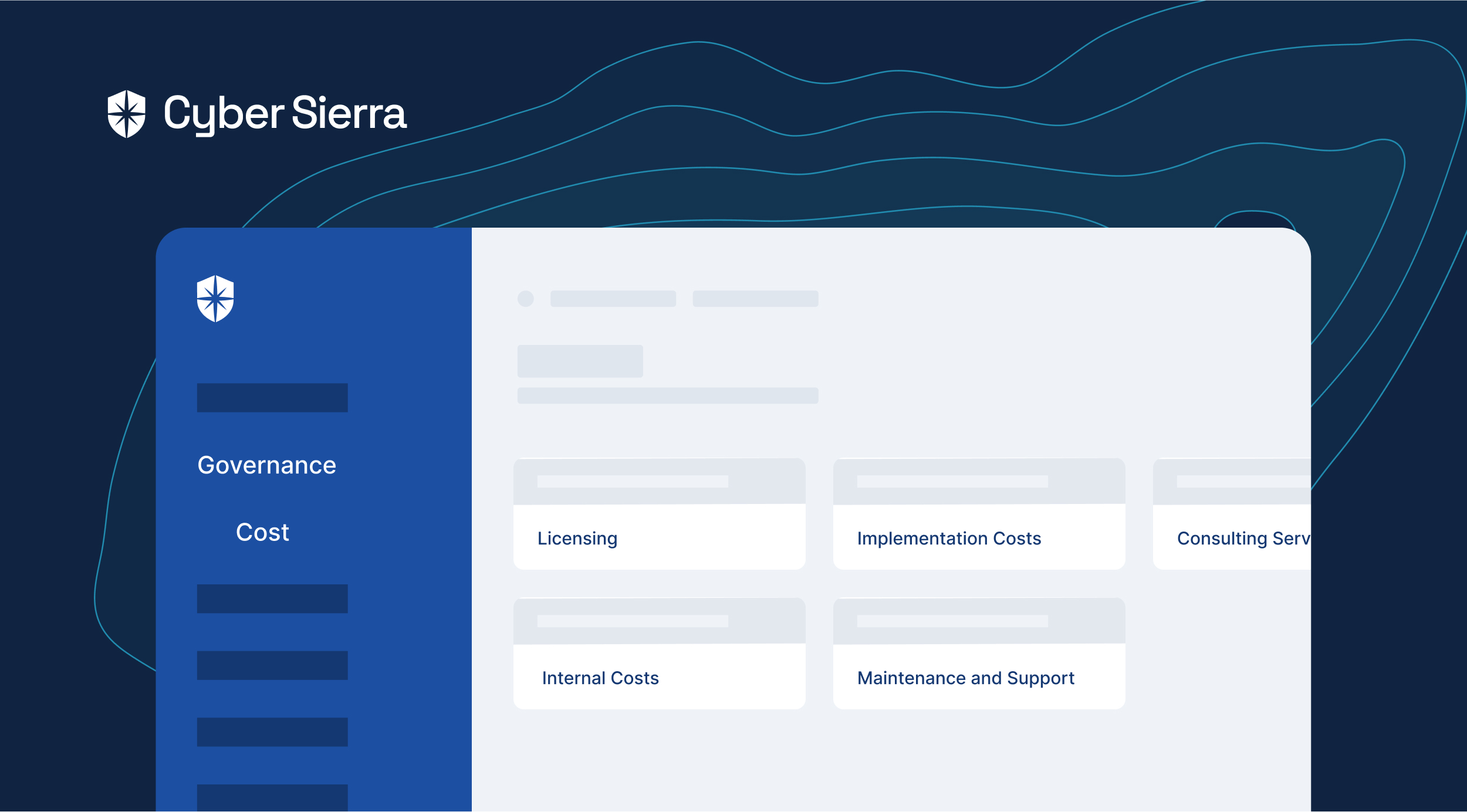
blog-hero-background-image
Governance & Compliance

Top 10 Alternatives to Acronis Cyber Protect Cloud in 2024

backdrop
Table of Contents

Join thousands of professionals and get the latest insight on Compliance & Cybersecurity.


Top 10 Alternatives to Acronis Cyber Protect Cloud in 2024

Are you searching for a versatile compliance management system capable of strengthening your data security and regulatory compliance procedures?

Though Acronis is a great fit for many businesses, there are other options out there. 

If you’re looking for a secure data management solution to help you meet your compliance requirements, consider the following 10 alternatives to Acronis.


Top 10 Acronis Cyber Protect Alternatives: Key Features, Pricing Plans, and More

Here are the top 10 alternatives to Acronis Cyber Protect that we have shortlisted for you:

  1. Cyber Sierra
  2. Vanta
  3. Scrut
  4. Drata
  5. Sprinto
  6. AuditBoard
  7. Wiz
  8. Secureframe
  9. Druva Data Resiliency Cloud
  10. Duo Security

Let’s look at them one by one.


1. Cyber Sierra


Cyber Sierra - Alternatives to Acronis

Source


Cyber Sierra is a unified and intelligent cybersecurity platform, designed especially for the needs of Chief Information Security Officers (CISOs), tech innovators, and others involved in data safety.

It combines many different security features into one, cohesive product and makes for a robust enterprise cybersecurity solution.

Governance, risk handling, cybersecurity obedience, cyber insurance offerings, threat examinations, and staff training modules are all pooled into one easy-to-use platform. This successfully reduces the fragmentation often linked with cybersecurity management.


Key Features

  • Universal Governance: Helps companies meet widely recognized compliance standards such as ISO 27001, SOC 2, HIPAA, GDPR, and PDPA.
  • Cybersecurity Health Examination: Carries out in-depth reviews and identification of threats connected to your digital assets.
  • Employee Security Instruction: Offers learning materials that help employees recognize and ward off phishing attempts.
  • Third-Party Risk Supervision: Streamlines the security clearance process for suppliers and ensures regular tracking of potential dangers.
  • Continuous controls monitoring: Monitors in near real-time the security controls, flagging off controls breaks and risk mitigation strategies.


Strengths

  • Comprehensive Security Solution: Joins governance, risk handling, cybersecurity compliance, cyber insurance offerings, threat scanning, and training modules into a single neat platform.
  • Continuous Surveillance: Active, all-day risk observation, threat prediction, and risk ranking.
  • Third-party risk management: Makes managing third-party collaborators simpler and reduces possible risks.


Weaknesses

  • The platform is relatively new in the market.


Ideal For


Cyber Sierra hits the sweet spot for both big companies and small startups dealing with rule adherence, data safety, and related matters.

It’s also great for businesses planning to streamline their cybersecurity, governance, and insurance plans, moving from various suppliers to a single platform.


2. Vanta


Vanta

Source


Vanta is a unique platform that centralizes its attention on security and compliance management, with a particular emphasis on simplifying the process of achieving SOC 2 compliance.

Vanta’s continuous monitoring and automation of compliance processes reduces the resources required to maintain a SOC 2 certification.


Key Features

  • Continuous Monitoring: Vanta delivers constant security monitoring ensuring persistent compliance and security for companies.
  • Automation: Vanta uses automation for faster and more efficient SOC 2 certification processes to reduce manual intervention significantly.
  • Integration: Vanta offers a smooth integration experience with common services such as AWS, GCP, and Azure, making it adaptable to different tech environments.


Strengths

  • Time Efficiency: Vanta saves valuable resources by reducing the time and effort required for SOC 2 compliance.
  • Integration: Vanta can easily mingle with various popular platforms, meaning it can adapt to various tech environments.


Weaknesses

  • Limited Scope: Although Vanta is a specialist in SOC 2 compliance, it might fall short when it comes to other security frameworks that certain businesses might need.
  • Customization: Vanta might not be the best fit for businesses requiring a higher level of customization due to its limited options in this aspect.


Ideal for


Vanta is especially beneficial for medium to large businesses that operate under strict security compliance norms, making it desirable for sectors like tech, healthcare, or finance.


3. Scrut Automation


Scrut Automation

Source


A frontline in the automation of cloud configuration testing, Scrut Automation delivers a robust cloud security framework designed to ensure cloud-native protection for services like Azure, AWS, and GCP, among others.


Key features

  • Automated cloud configurations testing: Industriously executes your cloud configurations’ validation according to the 150+ CIS standards.
  • Historical records: Effectively creates a comprehensive security archive over time, making it easier to track your security enhancements.
  • Integration: Smooth integration with top-tier cloud platforms, AWS, Azure, and Google Cloud is guaranteed.


Strengths

  • Extensive security surveillance: Capable of safeguarding your cloud environment with more than 150 CIS standards.
  • Time-saver: Automates time-consuming tasks and sequences remediations, augmenting progress in your information security timeline.


Weaknesses

  • Learning curve: Understanding how to operate and utilize certain features might be time-consuming, specifically for users who are new to cloud security configurations.
  • Limited customization scope: While Scrut Automation is a competent cloud security framework, it might present limited options for customization based on specific user requirements.


Best for


Primarily beneficial for organizations that utilize AWS, Azure, GCP, and similar cloud computing services. Its wide-ranging security and compliance coverage make Scrut Automation perfect for large entities requiring substantial cloud security. 

However, medium and small-sized businesses aiming for strong automated cloud security will find value here too.


4. Drata


Drata

Source

Drata is a robust security and compliance management platform, offering full-fledged support to businesses intending to obtain and preserve SOC 2 compliance. Its audit management software module simplifies the operation of tracking, administrating, and managing necessary technical and operational controls for SOC 2 certification.


Key Features

  • Asset management: Drata aids companies in spotting and managing all assets, including servers, devices, and applications, facilitating effective management.
  • Policy & procedure templates: Drata’s pre-built templates allow companies to effortlessly craft internal compliance documentation.
  • User access reviews: Recurring user access reviews administered by Drata ensure appropriate access controls.
  • Security training: Continual employee training and phishing simulations offered by Drata bolster awareness of current security threats and procedures.


Strengths

  • Automated evidence collection: Drata’s automation in evidence gathering significantly diminishes manual workload and potential human errors.
  • Exceptional customer support: Drata’s responsive and informed support team assists clients throughout their compliance journey.


Weaknesses

  • Onboarding process: Some users have reported that the onboarding process could be extensive and complex, which might lead to slower initial setup.
  • Complex functionality: With a broad spectrum of features, Drata may prove overwhelming for non-technical users.
  • Scalability: Being a relatively new market entity, Drata might face difficulties when expanding to cater to larger organizations with complex compliance obligations.
  • Pricing: Drata’s pricing structure could pose challenges for smaller enterprises with tight budgets.


Best For


Drata is particularly advantageous for businesses looking to secure and sustain SOC 2 compliance with minimal manual involvement. Its advanced automation capabilities make it highly desirable for companies seeking a more coordinated audit experience.


5. Sprinto


sprinto

Source


Sprinto is a ground-breaking security and compliance automation platform that assists businesses in maintaining alignment with a myriad of frameworks like SOC 2, ISO 27001, GDPR, HIPAA, and PCI-DSS. It offers customization and real-time monitoring capabilities that empower companies to consistently oversee and proficiently manage their security and compliance status.


Key Features

  • Asset Management: Sprinto delivers a security compliance solution that enables businesses to amalgamate risks, orchestrate entity-level controls, and conduct completely automatic checks.
  • Policy Implementation: Offers automated workflows, pre-built policy templates, and educational modules that cater to an array of security compliance requirements.
  • Exceptional Support: Sprinto’s expert team offers guidance to businesses at every step of the compliance journey, from the initial risk assessment to meeting audit requirements.
  • Cloud Compatibility: Sprinto readily integrates with most contemporary business cloud services, facilitating comprehensive risk assessments and effective control mapping.


Strengths

  • Automation: Sprinto’s robust automation functions significantly diminish the efforts needed to achieve compliance.
  • Wide Compliance Coverage: Sprinto accommodates a wide variety of compliance frameworks, enabling enterprises to effectively manage multiple compliances concurrently.
  • Expert Support: Provides expert-driven implementation support from the get-go, assuring the setup of fitting controls and practices.
  • Integration Capability: Sprinto works fluently with various business cloud services, supporting effective control mapping and exhaustive risk assessment.


Weaknesses

  • Adaptive Requirements: To fully exploit the benefits of automated checks and continuous monitoring, businesses need to make certain adaptations to the use of the Sprinto platform.
  • Customer Support: As reported by a few users, there’s a potential need for improvement in Sprinto’s customer service, particularly concerning response times.


Best For


Sprinto is exceptionally suitable for rapidly scaling cloud-based companies that aim to simplify their security compliance processes. Its automation features and vast compliance coverage make it a top choice for businesses seeking a more efficient and autonomous approach to managing security compliance.


6. AuditBoard


Auditboard

Source


AuditBoard provides a comprehensive, easy-to-use solution for audit, risk, and compliance management. Its convenient and collaborative features help companies successfully manage complex audit, compliance, and risk management operations.


Key Features

  • Integrated Control Management: AuditBoard supports comprehensive management of audits, risk assessments, control tests, issue tracking, and reporting.
  • Operational Auditing: The platform comes equipped with a suite of integrated tools, making the execution of internal and operational audits easy and efficient.
  • Risk Assessment: AuditBoard allows for the easy identification and management of risks across the entire organization.
  • Real-Time Reporting: AuditBoard offers real-time insights and customizable reporting to help track and resolve issues quickly.


Strengths

  • Ease of Use: With a user-friendly interface, AuditBoard simplifies audit and risk assessment tasks.
  • Collaboration: Enhanced communication is possible with AuditBoard’s effective collaboration tools that improve the connectivity between internal teams and external auditors.


Weaknesses

  • Customer Support: According to some users, AuditBoard’s customer support could improve in terms of its effectiveness and response times.
  • Less Intuitive Navigation: Some users have expressed that the system navigation can be challenging when managing multiple audits or projects simultaneously.
  • Expensive: The extensive set of features offered by AuditBoard comes with a higher price tag, which may not be affordable for small or medium-sized businesses.


Best for


AuditBoard is exceptionally effective for large corporations seeking a comprehensive audit and risk management solution. It is ideally suited for businesses conducting regular internal and operational audits and requiring real-time insights to guide their audit and risk management procedures.


7. Wiz


wiz

Source


Wiz is a state-of-the-art cloud security solution that provides businesses with an in-depth insight into security risks throughout their full cloud environment. As an advanced Cloud Security Posture Management (CSPM) tool, it outperforms agent-based alternatives by scrutinizing the entire cloud stack for possible vulnerabilities, misconfigurations, and hidden threats.


Key features

  • All-Around Visibility: Wiz grants comprehensive visibility into entire multi-cloud landscapes, yielding a consolidated snapshot of security incidents.
  • Intelligent Problem Solving: Wiz recognizes vulnerabilities and suggests actionable measures for addressing security threats.
  • Unified Collaboration: Wiz cultivates collaboration between DevOps, cloud infrastructure, and security teams using one central platform.
  • Continuous Security Surveillance: Wiz tracks cloud environments without interruption, detecting and alerting users to any security issues or misconfigurations immediately.

Strengths

  • Inclusive Security Assessment: Wiz performs thorough security appraisals across all major cloud platforms.
  • Productive Automation: Role automation and user-friendly dashboards from Wiz facilitate efficient security processes.
  • Straightforward Setup and Operation: Users have reported that Wiz is uncomplicated to implement, necessitating minimal configuration steps.


Weaknesses

  • Sparse Documentation: Wiz’s documentation has room for improvement, as some users have recommended enhancing its comprehensiveness and specificity.
  • Indeterminate Pricing: Some reviewers observed that pricing information is scarce, complicating efforts to gauge the cost of adopting Wiz.
  • Numerous Notifications: As Wiz continuously oversees cloud ecosystems, certain users might find the frequency of notifications overwhelming.


Best for


Wiz is ideally suited for businesses situated in multi-cloud environments that prioritize an all-encompassing, detailed view of their cloud security posture. Organizations managing intricate cloud infrastructures will benefit from Wiz’s ability to generate a unified security assessment.


8. Secureframe


Secureframe

Source


Secureframe is a dynamic compliance management framework that simplifies the route to attaining SOC 2 and ISO 27001 compliances. The framework focuses on seamless, ongoing management for several services, including AWS, GCP, and Azure.


Key Features

  • Continuous Compliance Monitoring: Provides continuous regulatory compliance checks across varied services.
  • Automation: Boosts efficiency in completing security compliance tasks, saving valuable time and resources.
  • Integration Features: Syncs smoothly with widely-adopted cloud services like AWS, GCP, and Azure, showing robust interoperability.


Strengths

  • Time Efficiency: Remarkably minimizes the span traditionally consumed for documenting and supervising compliance requirements that can take weeks.
  • Seamless Integration: Operates harmoniously with prominent cloud services, offering clear advantages to enterprises leveraging these platforms.


Weaknesses

  • Lack of Customization: Secureframe, as per some users’ perspectives, could benefit from offering more detailed customization choices, indicating it may not be as adaptable as some firms require.


Best for


Secureframe is an excellent fit for businesses of diverse sizes seeking to simplify their SOC 2 and ISO 27001 compliances. Companies using AWS, GCP, and Azure can especially derive benefits from its robust integration prowess.


9. Druva Data Resiliency Cloud


Druva

Source


Druva Data Resiliency Cloud is a SaaS-fueled solution for data protection and management, delivering secure backup, disaster recovery, and information governance across diverse settings, such as endpoints, data centers, and SaaS applications.


Key Features

  • All-encompassing Data Protection: With Druva, expect dependable, unified backup and recovery services for endpoints, data centers, and SaaS applications.
  • Disaster Recovery: A convenient, swift, and economical approach to on-the-fly disaster recovery is provided.
  • Global Deduplication: An efficient usage of storage and bandwidth is enabled by Druva’s worldwide deduplication, which helps lower costs and accelerates backups.
  • Security and Compliance: Druva’s solution ensures compliance with different regulations like GDPR by incorporating encryption, access control, and audit trails.


Strengths

  • SaaS Implementation: The SaaS foundation of Druva facilitates easy deployment, maintenance, and scalability, lightening the load for IT departments.
  • Effective Data Management: The centralized control panel for overseeing data protection tasks across various environments simplifies data management processes.
  • Cost-friendly: The absence of hardware and infrastructure expenditures results in a more cost-effective solution.
  • Customer Support: Druva’s customer support team is commended for their responsiveness and assistance.


Weaknesses

  • Large Data Set Performance: For organizations with extensive data processing, Druva may not be ideal due to reports of reduced performance when handling sizeable data sets.
  • Pricing Complexity: The pricing structure has been reported as challenging to comprehend and possibly lacking transparency.


Best for


Druva Data Resiliency Cloud is well-suited for enterprises of all sizes desiring a SaaS-based, budget-friendly, and user-friendly data protection service. It is especially beneficial for those with diverse or distributed environments, such as endpoints and various data center applications.

Businesses facing large-scale data sets or unique customization requirements might want to scrutinize other options or assess Druva’s capabilities before making a final decision.


10. Duo Security


Duo

Source


Duo Security, an integral component of Cisco’s portfolio, is a cloud-operated access security platform that is tasked with the protection of users, data, and applications from looming security threats. It is instrumental in confirming the identity of a user and the state of the device before providing access to the applications, thus aligning with business security compliance norms.


Key Features

  • Two-Factor Authentication (2FA): Duo incorporates a second form of authentication in addition to the primary password to bolster the security of networks and applications.
  • Device Trust: Duo offers a comprehensive view of all devices attempting to access your applications and ensures compliance with security standards before granting access.
  • Adaptive Authentication: It employs adaptive rules and machine learning to fortify access security, drawing upon insights from user behavior and device intelligence.
  • Secure Single Sign-On (SSO): Duo’s SSO feature provides users with hassle-free and secure access to all their applications.


Strengths

  • User-Friendly: Duo’s simplicity in deployment and its intuitive interface are admired features.
  • Enhanced Security: Duo’s two-factor authentication significantly lowers the risk of unauthorized entry.
  • Neat Integration: The solution integrates effortlessly with several existing VPNs, cloud applications, and additional cloud infrastructure.
  • Customer Support: Duo’s customer support team is reputable for its responsiveness and efficacy.


Weaknesses

  • Limited Control: Some users have found Duo Security’s policy controls to be lacking granular customization.
  • Software Updates: Some users have faced challenges or disruptions following software updates.
  • Cost: Duo’s pricing matrix may seem steep for startups or small businesses.
  • Interface: While the user-friendly interface is appreciated, a portion of users believe it could be more appealing and modern.


Best for


Organizations with diverse software applications will find Duo’s compatibility valuable, as it works effortlessly across numerous instances and devices.


Top 10 Acronics Cyber Protect Cloud Alternatives: Comparative Analysis

Check out this comparative analysis of the top 10  Acronics Cyber Protect Cloud alternatives, to select the most appropriate software for your specific requirements.


Acronis Cyber Protect Cloud Alternatives_comparision


Selecting the Best Software 


Making the ideal software selection requires a comprehensive assessment of their features, cost, and user testimonials.

In the crowded market of assistive software, the key is to find one that ideally aligns with your business needs.

Cyber Sierra stands out favorably among its counterparts, recognized for its wide-ranging features and superior protection capabilities.

Designed with simplicity, it guarantees a straightforward setup process, thereby enhancing your cyber defense capability promptly and efficiently.

Schedule a demo today and learn how Cyber Sierra can optimally secure your business.

  • Governance & Compliance
  • CISOs
  • CTOs
  • Cybersecurity Enthusiasts
  • Enterprise Leaders
  • Startup Founders
Srividhya Karthik

Srividhya Karthik is a seasoned content marketer and the Head of Marketing at Cyber Sierra. With a firm belief in the power of storytelling, she brings years of experience to create engaging narratives that captivate audiences. She also brings valuable insights from her work in the field of cybersecurity and compliance, possessing a deep understanding of the challenges and pain points faced by customers in these domains.

A weekly newsletter sharing actionable tips for CTOs & CISOs to secure their software.


Thank you for subscribing!

Please check your email to confirm your email address.

Find out how we can assist you in
completing your compliance journey.

blog-hero-background-image
Governance & Compliance

The Ultimate Step-By-Step SOC 2 Compliance Checklist for 2024

backdrop
Table of Contents

Join thousands of professionals and get the latest insight on Compliance & Cybersecurity.


What is SOC 2 Compliance Checklist?

A SOC 2 compliance checklist is a powerful tool that lists all the guidelines, measures, and best practices an organization should follow to ensure compliance with the Service Organization Control 2 (SOC 2) framework.

The checklist typically includes steps like conducting self-audits, choosing trust services criteria, reviewing security controls, performing final assessments, and completing the SOC 2 audit.

SOC 2 Compliance Simplified for Busy Tech Executives

Ron has to choose from two startups. 


Both offer identical services at significantly different price points. Out of the two, only startup B is certified in security compliance. As the CTO of an enterprise firm, evidence of being able to protect his organization’s data from breaches is crucial to Ron. 


So despite startup A’s lower price, he chose startup B:

soc2 compliant

This scenario highlights just one advantage of being SOC 2 compliant. It makes prospects see your growing startup as a security-conscious partner, giving you an edge in competitive enterprise deals. 


But meeting requirements and passing independent CPA audits to achieve SOC 2 compliance is no easy feat. To increase your chances…

Early Preparation for a SOC 2 Audit is Key

A Cybersecurity Writer at CSO said it best

Mary K. Pratt - Quote

Demanding tasks are simplified if broken into small steps. Since the same applies to earning SOC 2 attestation, an optimal early preparatory path is knowing what steps to take. 


Some crucial ones include: 


  • Having the core SOC 2 compliance requirement in place
  • Creating a checklist to help you automate the process
  • Knowing how much a SOC 2 report will cost you. 


To help you prepare and ace the audit, this guide will explore these steps. You’ll also see how to build a solid cybersecurity posture and automate the SOC 2 compliance process with Cyber Sierra: 

illustration background

Improve your company's cybersecurity posture and automate SOC 2 compliance processes from one place.

desktop tablet mobile

The Core SOC 2 Compliance Requirement

SOC 2 compliance has two types.  


And requirements depend on the one you seek. SOC 2 Type I checks if you are SOC 2 compliant at a particular point in time. It’s like a snapshot. Type II, on the other hand, reviews your company’s cybersecurity compliance over a longer period (i.e., have you been compliant in 6–12 months?)  


Per the American Institute of Certified Public Accountants (AICPA), the organization behind this compliance certificate, companies should consider a SOC 2 Type II report when: 


  • Stakeholders, investors, and fellow executives need to gain confidence and trust in their company’s security processes.
  • Prospects (and existing customers) seek to understand their ongoing security processes and controls:


consider a SOC 2 Type II report

SOC 2 Type II is therefore more comprehensive, carries more weight, and is the one often requested by security-conscious prospects. Getting it revolves around AICPA’s five Trust Services Criteria (TSC)


  1. Security,
  2. Availability, 
  3. Processing integrity,
  4. Confidentiality,
  5. Privacy. 


SOC 2 Type II five Trust Services Criteria (TSC)

Out of these five, security is the core and compulsory. 


And veteran CPA, Bernard Gallagher, stressed why


Bernard Gallagher - Quote

In other words, to appease SOC 2 Type II auditors, you must prioritize managing security risks effectively across your organization. For this, consider a cybersecurity platform that can:


  • Automatically scan your cloud assets 
  • Detect risks and vulnerabilities in real-time 
  • Assess and score the impact of those risks, and 
  • Enable you to assign remediation tasks to relevant members of your security team from one risk register. 


You can do all these with Cyber Sierra’s Risk Register: 


Cyber Sierra’s Risk Register

But it doesn’t end there. 


Ongoing employee security awareness training is also a core requirement of SOC 2 Type II. This means you must continuously train employees to remain compliant when it’s time for audits again.

SOC 2 Compliance Checklist, Automation Guide

Many CTOs and IT executives have become SOC 2 compliant in record time through our interoperable cybersecurity platform. For some, the scenario (recall this blog’s intro?) of startup A losing a big deal to startup B for not having security compliance is common. 


We believe no startup should suffer that. 


So based on our experience working with numerous businesses to automate the various processes involved, we’ve created this SOC 2 compliance checklist for your reference.

illustration background

The SOC 2 Compliance Checklist

A checklist to help you automate most processes involved in becoming SOC 2 compliant.

1. Scope Your SOC 2 Project Plan


A crucial first step is ensuring team members get the same sense of priority as you journey towards becoming SOC 2 compliant. You don’t want them treating tasks related to it as just another to-do. 


So start the project with a description that addresses:


  • Why your startup needs SOC 2 compliance. 
  • How it will bolster your company’s security posture.
  • The type of SOC 2 audit you’re going for (and why).


Still in the scoping step, outline and briefly explain components within your org that must meet AICPA’s attestation standards. They include infrastructure, data, procedures, software, and people. 


The TSC that applies to your business is next. 


As stated earlier, security is the core SOC 2 control, so it must be included in your scope. Selecting other TSCs should be based on demands and regulations pertinent to your organization. 


For instance, choose: 


  • Availability if prospects and existing customers have concerns about your product’s downtime.
  • Confidentiality if prospects and customers have specific requirements for confidentiality or if your startup stores sensitive info protected by NDAs (non-disclosure agreements).
  • Processing Integrity if your company executes critical operations like financial processing, tax processing, payroll services, and related ones.
  • Privacy if prospects and existing customers store PII (personal identifiable information) like birthdays, healthcare data, and social security numbers.


2. Implement SOC 2 Policies and Procedures


Across the five TSCs, there are: 


  • 26 mandatory policies, and
  • About 196 security controls. 


Defined procedures for implementing the policies and their respective security controls that apply to your organization are needed. Typically, this requires expertise and involves a lot of manual work.


You need: 


  • The expertise to know what policies to prioritize
  • Lots of manual work uploading evidence of security controls for each policy, which can be draining for everyone involved. 


This is where technology comes in. 


With Cyber Sierra, for instance, ticking this step off your SOC 2 checklist is easy. There’s an expert to help you choose the mandatory policies you should prioritize. Our technology also has these policies and security controls built into it and updated regularly. 


So from one dashboard, you can:


  • Assign policies (and their controls) to relevant team members
  • Track their progress in implementing those controls:


Assign policies (and their controls) to relevant team members


3. Complete SOC 2 Compliance Documentation


Is there evidence to show that your company has implemented security controls for policies based on the chosen TSC? 


Saying ‘yes’ isn’t enough.


To pass auditors’ scrutiny and earn SOC 2 compliance, you must show proof by uploading appropriate documentation. The final number of documentation you’ll need to provide to a CPA depends on the TSC chosen in the scoping step. 


However, as with TSC, there are mandatory ones like: 


  1. Change Management
  2. Application and Software Change
  3. Data and Software Disposal
  4. Detection and Monitoring Procedures
  5. Incidence Response Policy
  6. Logical and Physical Address
  7. Third Party Risk Management
  8. Risk Mitigation.


The procedures for providing evidence of security controls for each required documentation above are also built into Cyber Sierra: 


security controls for each required documentation above are also built into Cyber Sierra

And it doesn’t end there. 


Cyber Sierra also simplifies the process of uploading evidence for the compulsory SOC 2 documentation and TSC security controls. For instance, click on any policy, say, Risk Mitigation, and in addition to succinct descriptions of what it (and its controls) entails…


You can edit a policy per your needs and upload evidence: 


Complete SOC 2 Compliance Documentation


4. Conduct SOC 2 Readiness Assessments


 This step comes down to two things: 


  1. An internal risk assessment to ensure that cyber posture and uploaded security controls’ evidences are accurate. 
  2. Remediation of identified risks and vulnerabilities, ensuring your organization is ready to pass strict SOC 2 audit reviews. 


Ticking both off your SOC 2 checklist starts with scanning your cloud assets and network environments to identify vulnerabilities. Then, remediating each to boost your confidence of passing the audit. 


 Cyber Sierra automates both. 


In a few clicks, you can connect and scan your cloud, repository, Kubernetes, and network environments. Each scan prompts a dashboard with your company’s cybersecurity posture, from where you’ll find all vulnerabilities and descriptions of critical risks. 


You also get instructions on how to remediate each vulnerability and can assign remediation tasks to relevant people on your security team: 


SOC 2 Readiness Assessments


5. Monitor Security Controls for Upto 12 Months


Adhering to the four steps above snapshots your company’s cybersecurity posture. They are enough for SOC 2 Type I audit reviews. But for SOC 2 Type II certification that’s often-requested by prospects and customers, you must be compliant for up to 12 months. 


So you must continuously monitor for at least 12 months to ensure evidence uploaded for each security control is intact. This boils down to detecting, assessing, and remediating risks that could render the evidence you upload for security controls worthless. 


Technology can simplify this process.


For instance, and as I shared earlier, connect your tech stack to a good cybersecurity platform, and it will: 


  • Automatically scan your cloud assets 
  • Detect risks and vulnerabilities in real-time 
  • Assess and score the impact of those risks, and 
  • Enable you to assign remediation tasks to relevant members of your security team from one risk register. 


Again, Cyber Sierra’s Risk Register does these out of the box: 


Cyber Sierra’s Risk Register

How Much Does SOC 2 Report Cost?

SOC 2 compliance is a huge undertaking. 


Hiring an auditor for the review alone starts at about $5k and could exceed $30k, depending on the auditing company. It doesn’t end there. In no particular order, you’ll also incur costs to: 


  • Scope and manage the project
  • Train employees on cybersecurity awareness
  • Train security team members on remediating risks
  • Commission legal review of uploaded documentation
  • Perform readiness assessments and ongoing monitoring of security controls of chosen policies. 
  • Manage third-party vendor risks.


Depending on company size, these steps could take 6–12 months and can cost $50-$110k in lost time and productivity if done manually. On the flip side, these costs reduce drastically if your team can manage and automate most of the requirements above from one place. 


And that’s why we built Cyber Sierra

illustration background

Improve your company’s cybersecurity posture.

Automate 90% of SOC 2 compliance processes from one place.

  • Governance & Compliance
  • CISOs
  • CTOs
  • Cybersecurity Enthusiasts
  • Enterprise Leaders
  • Startup Founders
Pramodh Rai

Meet Pramodh Rai, a technology aficionado and Cyber Sierra's co-founder, whose zest for innovation is fuelled by a cupboard stacked with zero-sugar Redbull. With a nimble footwork through the tech tulips across Asia Pacific, he's donned hats at Hmlet (the proptech kind) and Funding Societies | Modalku, building high-performing teams and technologies. A Barclays prodigy with dual degrees from Nanyang Technological University, Pramodh is a treasure trove of wisdom, dad jokes, and everything product/tech. He's the Sherpa in sneakers you need.

A weekly newsletter sharing actionable tips for CTOs & CISOs to secure their software.


Thank you for subscribing!

Please check your email to confirm your email address.

Find out how we can assist you in
completing your compliance journey.

blog-hero-background-image
Governance & Compliance

The GDPR Compliance Checklist in a Nutshell (10 Steps)

backdrop
Table of Contents

Join thousands of professionals and get the latest insight on Compliance & Cybersecurity.


The Busy CTOs Checklist Guide to Automating GDPR Compliance

Look at this:

escalating GDPR

As shown, fines issued by the General Data Privacy Regulation (GDPR) are escalating. Notably, it leaped tenfold from €295.9 million in 2021 to over €2.77 billion as of February 2023. 

At this rate, CTOs and IT executives must stay GDPR-compliant (even after initial compliance) to avoid getting fined. But achieving this requires automating the gruesome pre- and post-GDPR compliance processes. 

You’ll see how to accomplish both in the ongoing GDPR compliance checklist explored below. Before we get there…

What is GDPR Compliance Checklist?

A GDPR compliance checklist is a tool that outlines the practices, processes, and controls to help organizations that handle data meet the requirements of the General Data Protection Regulation (GDPR).
It typically outlines essential steps such as obtaining explicit consent, updating privacy policies, ensuring data portability, implementing robust data security measures, and appointing a Data Protection Officer (DPO) if necessary.

The checklist helps organizations identify compliance gaps, protect personal data, avoid hefty fines, and maintain trust with customers by adhering to GDPR's legal framework.

Start by Knowing the 7 GDPR Principles

Article 5.1-2 of the GDPR privacy law outlines seven protection and accountability principles organizations must adhere to when processing personal data. 

As captured below:

7 GDPR

Continuous adherence to all principles outlined above is how you become (and stay) GDPR-compliant. Unfortunately, it’s easier said because implementing their requirements leaves a lot to interpretation. 

CSO’s Micheal Nadeau corroborates

Michael Nadeau - Quote

To emphasize, fines for non-compliance could be as high as 20 million or 4% of your company’s global revenue. So to close every leeway that could lead to one, comprehensive and continuous implementation of GDPR principles is crucial. 

Our 10-step checklist guide details how to do that. As we proceed, you’ll also see how Cyber Sierra automates crucial processes involved.

Download the checklist to follow along:

illustration background

Ongoing GDPR Compliance Checklist

Become ( and stay) GDPR – compliant with Cyber Sierra’s actionable checklist.

card image

The 10-Step Ongoing GDPR Compliance Checklist

Does GDPR, an EU law, even apply to you? 

Organizations outside of Europe might ask this question. So before jumping into the checklist, here’s to re-clarify who must comply with the General Data Protection Regulation (GDPR): 

Does GDPR, an EU law, even apply to you? Organizations outside of Europe might ask this question. So before jumping into the checklist, here’s to re-clarify who must comply with the General Data Protection Regulation (GDPR):

Explaining further, the GDPR’s official site notes:

GDPR.EU - In-content highlight design

And now, the GDPR Cyber security checklist guide. 


1. Map All Collected & Processed Data


The first step for becoming compliant with GDPR is taking a holistic inventory of all the data your company collects or processes. 

Three things you should do here are: 

  • Identify all databases, applications, networks, etc., within your organization. 
  • Document all collected, processed, and stored personally identifiable information (PII) in those mapped systems. 
  • Outline who has access to each mapped data (i.e., employees or third-party vendors, partners, etc.) 

These actions create a birds-eye view of all personal data your company collects, stores, or processes. Matt Fisher, an IT thought leader, shared why this first step is crucial for simplifying the entire project of becoming GDPR-compliant. 

In his words:

Matt Fisher - Quote


2. Document Justification for Data Processing


Collecting, storing, or processing personal data is illegal under the GDPR law. Therefore, all companies must justify why they are doing so, subject to one or more conditions listed in GDPR’s Article 6

So as a 2nd step, create a process that documents your company’s justification for processing personal data. This should include a lawful basis for processing data approved by the GDPR such as: 

  • Consent given by the data subject, where the data subject is the owner of the data. 
  • Contract entered with the data subject. 
  • Necessary for fulfilling a legal obligation. 
  • Necessary for protecting the interests of the data subject or an associated third party. 
  • Necessary for legitimate purposes pursued by the data controller (i.e., the organization collecting data) or associated third parties. 

Next, add a consent box to all forms and switch to double opt-ins to ensure you only collect data with expressed consent. Then, create (or recreate) and publish your company’s privacy policy. In it, provide clear information on how you process data and justify why. 

According to the GDPR’s official site

GDPR.EU


3. Perform Data Protection Impact Assessment (DPIA) 


A data protection impact assessment uncovers how your product could jeopardize the personal data your company collects, stores, or processes. This step also helps you identify risks associated with personal data being processed. 

Consider using a cybersecurity suite to effortlessly achieve both. Fortunately, this is one area where the Cyber Sierra interoperable cybersecurity and gdpr compliance automation platform comes in.

For instance, connect your cloud assets, network systems, etc., and our cybersecurity suite will scan everywhere your company collects, stores, or processes data. 

You get a Scan Dashboard with:

  • Descriptions of all identified risks and vulnerabilities across everywhere your company collects, stores, or processes data. 
  • Critical risks to personal data identified and prioritized. 
  • Ability to assign identified threats to teammates with summarized remediation tips for mitigating risks:

Perform Data Protection Impact Assessment (DPIA)


4. Appoint a Data Protection Officer (DPO)


If the steps above look overwhelming, it’s because they are. 

Hence, this official statement:

Appoint a Data Protection Officer (DPO)

In addition to overseeing the steps up to this point, a DPO eases you of responsibilities outlined by the GDPR law. 

Some crucial ones are: 

  • Respond to comments and questions from data subjects related to how your company processes their personal data.
  • Cooperate with the data protection supervisory authority and inform executives and employees of their GDPR obligations.
  • Continuously monitor your organization’s GDPR processes and maintain documentation to prove compliance.
  • Train employees on compliance and perform ongoing audits.

Before we proceed…

Imagine your appointed data protection officer (or maybe, you) could continuously monitor your company’s GDPR compliance and train employees from one place. As you’ll soon see, you can do both with Cyber Sierra’s cybersecurity and compliance automation platform.  


5. Launch Ongoing Employee Awareness Training


Punit Bhatia, author of ‘Be Ready for GDPR,’ advised:

Punit Bhatia - Quote

Punit is spot on because, as you can imagine, implementing and maintaining the GDPR law is complex. Therefore, regular data privacy training is needed to help employees handle personal data securely. 

Ticking off this crucial step of the GDPR compliance process is easy with Cyber Sierra. You can launch, track completion, and manage ongoing employee security training necessary for implementing GDPR procedures and staying compliant from the same place.

Here’s a peek: 

Employee awa

illustration background

Automate Ongoing GDPR compliance from one place.

Perform data assessments, train employees, automate, and continuously monitor GDPR compliance from one place.

card image

6. Implement Company-wide Safeguards


Companies are mandated to establish ‘appropriate technical and organizational measures,’ ensuring all processed customer data is properly secured. The GDPR doesn’t specify what safeguards must be implemented, allowing organizations to implement those relevant to their business needs. 

However, crucial safeguards to consider are: 

  • Multifactor authentication for employees and customers 
  • Data encryption for all processed data
  • User access controls to monitor unauthorized accesses.


7. Enforce the Security of Data Transfers


To become compliant with GDPR, ensure that all personal data shared between your company, partners, and third parties is adequately transferred and secured. 

Enforcing this requires: 

  • Putting unavoidable technical controls (i.e., implementing data security measures) in place. 
  • Having company-wide controls (i.e., implementing data governance measures) to guide employees handling data. 
  • Creating Data Processing Agreements (DPA) with contractual clauses mandating third-party vendors to secure shared data. 


8. Assess and Manage Third-Party Vendor Risks


Risks to personal data from third-party vendors aren’t left out of the GDPR compliance equation. In short, it is mandated for organizations to regularly assess and manage 3rd-party vendor risks. 

So to ensure third-parties don’t sabotage your efforts toward becoming (and staying) GDPR-compliant, you must:

  • Conduct a thorough evaluation of the risk associated with every vendor within your organization’s ecosystem.
  • Have standard security questionnaires 3rd-party vendors must complete to prove compliance with data handling.
  • Implement measures for identifying and remediating third-party vendor risks swiftly. 

Our tool makes these processes more efficient. 

For instance, you can easily add vendors to our Assessments suite. And when doing so, choose from our prebuilt risk assessment templates and share it with your vendors to prove their compliance with handling personal data. 

You can manage everything from one dashboard:

Assess and Manage Third-Party Vendor Risks


9. Create Breach Notification Policies


As cybercrime evolves, unauthorized access to personal data you control or process can still happen despite your company’s best effort. 

In case it does: 

  • How will your company’s security team handle it? 
  • Specifically, who on the security team will handle it? 
  • How will you monitor against such events and swiftly remediate them when they happen? 

Creating and implementing breach notification procedures and policies addresses these concerns. And they are a mandatory requirement for becoming (and staying) GDPR-compliant. 

Specifically, the EU GDPR mandates that all breaches be reported less than 72 hours after they occur. Data processors must report to data controllers. Data controllers, in turn, must report to a supervisory authority, often called the Data Protection Association. 

You can also create, assign, and manage these essential GDPR policies and procedures with the Cyber Sierra compliance automation suite: 

notify policy


10. Implement Continuous Monitoring of GDPR Controls


Becoming GDPR-compliant is tough. 

But staying compliant is even tougher. 

And that’s because the process isn’t a one-time affair. Cybercriminals are endlessly on the hunt for new ways to breach the personal data you control or process. This explains why non-compliance fines continue to escalate, jumping tenfold from two years ago: 

escalating GDPR

To avoid this, continuously: 

  • Monitor GDPR safeguards, controls and policy implementations
  • Train employees on emerging risks relevant to GDPR compliance
  • Track if employees and third-party vendors are monitoring safeguards and properly securing personal data they handle
  • Detect, score, prioritize, and remediate emerging data risks. 

You can do all these with Cyber Sierra

Take detecting and remediating risks as they emerge. Our Risk Register feature handles both effectively and efficiently. It can continuously scan and monitor all your connected cloud systems. 

You get an always-updated dashboard with detected risks scored and prioritized based on likelihood to cause a data breach

Conduct Risk Assessments

illustration background

Automate Ongoing GDPR compliance from one place.

Perform data assessments, train employees, automate, and continuously monitor GDPR compliance from one place.

card image
  • Governance & Compliance
  • CISOs
  • CTOs
  • Cybersecurity Enthusiasts
  • Enterprise Leaders
  • Startup Founders
Pramodh Rai

Meet Pramodh Rai, a technology aficionado and Cyber Sierra's co-founder, whose zest for innovation is fuelled by a cupboard stacked with zero-sugar Redbull. With a nimble footwork through the tech tulips across Asia Pacific, he's donned hats at Hmlet (the proptech kind) and Funding Societies | Modalku, building high-performing teams and technologies. A Barclays prodigy with dual degrees from Nanyang Technological University, Pramodh is a treasure trove of wisdom, dad jokes, and everything product/tech. He's the Sherpa in sneakers you need.

A weekly newsletter sharing actionable tips for CTOs & CISOs to secure their software.


Thank you for subscribing!

Please check your email to confirm your email address.

Find out how we can assist you in
completing your compliance journey.

blog-hero-background-image
Governance & Compliance

Why Security Executives Avoid Point Cybersecurity Solutions

backdrop
Table of Contents

Join thousands of professionals and get the latest insight on Compliance & Cybersecurity.


Why Security Executives Avoid Point Cybersecurity Solutions

Cyberattacks are getting worse. 

Between 2021 and 2022, it increased by 38% worldwide:

Between 2021 and 2022, it increased by 38% worldwide


There are other sides to this data.

First, cybercriminals are also becoming more sophisticated in their attacks on companies. Accordingly, there are growing numbers of tools (i.e., point cybersecurity solutions) for addressing specific threats individually.

And, that’s supposed to be a good thing. 

Unfortunately, using multiple vendor tools to tackle each cyber threat hasn’t helped CISOs secure their company infrastructure. For instance, another research by Check Point found that too many security solutions does your team’s cybersecurity efforts more harm than good: 

cybersecurity efforts more harm than good


This insight calls for CISOs to pause and ask… 

Why Aren’t Point Cybersecurity Solutions Optimal?

Most are often reactive purchases. 

Take when news of an enterprise data breach creates an uptick in sales of point solutions for tackling such cyberattacks. Likewise, a series of phishing attacks will pull companies into investing in counter-phishing solutions.

It usually makes sense at first. Long-term, however, such a siloed, reactionary approach to mitigating cyber risks has downsides. One is that, because they aren’t interoperable with others, they still leave gaps for cybercriminals. This is why opting for an interoperable cybersecurity suite designed to work dynamically makes more sense. 

And a veteran CISO recommended this


Joe Robertson - Quote

Joe’s suggestion highlights why IT executives should opt for a cybersecurity solution that can tackle multiple threats in one place. 

In line with that, this article will:

  • Explore 8 core cybersecurity solutions (and threats they tackle) 
  • Showcase Cyber Sierra, our interoperable cybersecurity suite. 
illustration background

Tackle Cybersecurity In  One Interoperable Solution Suite

8 Core Types of Enterprise Cybersecurity Solutions

There’s no shortage of point cybersecurity tools. 

And that’s in any niche or subniche you tune into:


8 Core Types of Enterprise Cybersecurity Solutions


But across this multitude of tools, there are core data security threats each category aims to mitigate. We explore those solutions below. 

1. Security Information & Event Management (SIEM)


SIEM products monitor and analyze security events across an organization’s systems and network. According to IBM, most point solutions in this category offer the same core functionalities: 


 Security Information & Event Management (SIEM)


And it’s not just having the same functionality. 

Being difficult to set up and manage without specialized employees are other problems SIEMs have, per W@tchTower. In short, their report further noted something CISOs should take even more seriously:

Being difficult to set up and manage without specialized employees are other problems SIEMs have, per W@tchTower

A solution to this is a SIEM that can aggregate threat alerts into an auto-updated risk register. Better if this risk register also has the capability to articulate the possible impact, likelihood, and risk score of each threat alert. This way, the data is more actionable for your team. 

Cyber Sierra has these capabilities:

risk register


2. Vulnerability Management Tools


While SIEMs can analyze and highlight crucial intelligence about potential threats, they lack in providing the right context, as observed above. Also, the data you get is often voluminous, making it difficult for your security team to prioritize efforts. 

Point vulnerability management tools will integrate with a SIEM to complement it and create manageable processes for eliminating cyber threats. So if you purchase and implement a SIEM product, you’d still need to buy a separate vulnerability management software.

Such essential synergy is pre-built into Cyber Sierra. 

At the top, the security dashboard has an always-updated overview for members of your team to quickly glance: 

  • Average safety score of your organization
  • No. of vulnerabilities.
  • No. of warnings, and
  • Threats sorted from critical to low: 

Vulnerability Management Tools

Below this overview section, and from the same pane, managing vulnerabilities doesn’t require buying and implementing a separate tool. 

Each sorted alert comes with a description and succinct remediation to-do. And you can assign remediation tasks to your team right there on our platform or push them to JIRA without jumping through hoops: 

assign remediation tasks to your team right there on our platform or push them to JIRA without jumping through hoops

3. Data Loss Prevention (DLP)


Solutions in this category use custom enforcement to prevent sensitive data that could lead to security breaches from leaving your organization. Top DLP software can monitor, detect, and block both data entering your corporate network and those attempting to leave. 

According to Gartner, the top nine DLP products are:

Data Loss Prevention (DLP)


4. Network Access Control (NAC)


These technologies allow CISOs and IT security executives to confirm the authorization and access of all devices and users on a company’s network. But most NAC tools rely on threat alerts from a SIEM. 

For instance, an implemented NAC product could enforce a security policy to contain an endpoint based on alerts triggered by a SIEM. In other words, as a point security solution, NAC tools could be deficient. 

eSecurity Planet reviewed the top nine NAC tools: 

Network Access Control (NAC)


5. Multi-Factor Authentication (MFA)


Here is an MFA technology explained visually: 

Multi-Factor Authentication (MFA)

As shown, MFA creates an added layer of security for anyone trying to access your software. Instead of just passwords, which hackers can easily breach, personal verification methods are enforced. 

This reinforces your organization’s identity and access management (IAM), decreasing the likelihood of cyberattacks. 

Expert Insights reviewed the top MFA products:

Expert Insights reviewed the top MFA products


6. Security Configuration Management (SCM)


Solutions in this category are essential if your organization must comply with governance and regulatory compliance (GRC) requirements. First, they ensure that your company’s cloud tools, devices, and all related systems are properly configured and secured. 

On the other hand, a good SCM automates most processes needed to improve your cybersecurity posture and secure compliance certifications. 

But they have a caveat. 

SCMs are standalone point solutions. So, you’ll still need to purchase separate tools to navigate the tiresome process of securing different compliance certifications like SOC, ISO27001, PCI DSS, and others. 

And this is where an interoperable cybersecurity solution suite like Cyber Sierra shines. First, with a single scan, it can continuously identify misconfigurations in your network, repository, cloud, and Kubernetes:

Security Configuration Management (SCM)

Threats identified can be managed (with remediation tasks auto-generated per alert) on the same platform. This gives your team an always-updated view of your company’s data cybersecurity posture in one pane. 

Also, your company’s cyber posture data gets ingested natively into our GRC solution, reducing the entire process of getting standard and custom compliance certifications to a few simple clicks: 

your company’s cyber posture data gets ingested natively into our GRC solution, reducing the entire process of getting standard and custom compliance certifications to a few simple clicks

Since you’re still here…

illustration background

Tackle Cyberthreats, Automate Compliance Certifications. Right-size Cyber Insurance. All In One Interoperable Solution Suite

7. Phishing Simulation & Employee Awareness Program


Products in this niche help IT executives to disperse cybersecurity awareness and train employees on countering phishing attacks. Often called anti-phishing programs, they simulate realistic attacks and gauge how effective employees are at handling cyberthreats. 

But an exceptional solution should do more.

It should have the various anti-phishing training types built-in, so busy executives can easily send them to employees in a few button clicks.

Cyber Sierra has that: 

anti-phishing training types

Also, awareness training programs to educate employees on all possible cybersecurity threats should be built-in, too.  This includes:

  • Best ways to use social media
  • Cyber risks through 3rd-party vendors
  • How to spot phishing emails
  • Multi-factor authentication
  • Safe browsing habits
  • Sensitive data handling 
  • Ransomware
  • Common cybersecurity threats
  • And others. 

Cyber Sierra also has these out of the box:


Cyber Sierra also has these out of the box:


8. Third Party Risk Management (TPRM) Solutions


By utilizing the tools in the seven categories so far, you can greatly strengthen your internal data security measures. Unfortunately, they won’t prevent cybercriminals from attacking through 3rd-party vendors, which your company needs to enhance its capabilities.

In short, the stats are scary in this area:

cybersecurity efforts more harm than good

Point TPRM tools help you mitigate possible third-party threats. 

But managing 3rd-party risks along with other threats in one, interoperable solution suite, is more optimal. Instead of another siloed tool in your security stack, you get the entire process synced into your team’s existing cybersecurity program.

Cyber Sierra makes this possible by streamlining the entire processes involved in managing third-party risks into three steps. It also comes pre-built with the two essential vendor assessment templates: 

pre-built with the two essential vendor assessment

We’ve covered the eight core cybersecurity solutions.

We also emphasized the need to opt for an interoperable cybersecurity solution instead of multiple point tools. 

You may be wondering… 

Why Choose an Interoperable Cybersecurity Solution?

I’ll give you three reasons. 

The 1st is that the threat landscape is expanding with no end in sight. Consequently, the skills and knowledge required to answer the simple, but crucial question, “are we secure,” will only get broader. Johan Bogema, a Cybersecurity Expert, observed this in a report for ON2IT. 

He wrote

Johan Bogema - Quote

As cyber threats broaden with more sophisticated attacks, mitigating them in one interoperable platform that works well together is optimal. That’s because your team can tackle threats without losing sight of others. 

The 2nd reason has to do with wasted spend and exposure to vulnerabilities resulting from tools that don’t play well together. Matt Kakpo, a veteran Reporter at Cybersecurity Dive, corroborates

Matt Kapko - Quote

The 3rd reason is a consequence of the 1st two.

Due to wasted spend and difficulties with implementing separate solutions that don’t work together, executives are opting for solutions that tackle a wide range of threats in one pane. 

Take Delta Air’s Global CISO:

Debbie Wheeler - Quote

Interoperable, One Pane View

In addition to replacing most point solutions highlighted, Cyber Sierra works well with cybersecurity tools used by enterprise companies. I mean those for tackling advanced threats like: 

  • Web Application Firewall (WAF)
  • Next-Generation Firewall (NGFW)
  • Cloud Access Security Broker (CASB). 

This built-in interoperability means you can cut down on vendors, while getting a one-pane view with detailed intel of your company’s cyber posture. It also means you can identify endpoints across your organization’s network with potential threats faster. 

Continuous security controls monitoring and the entire process of securing cyber insurance is streamlined into Cyber Sierra. This means you (and your team) can address a broad range of threats in one place:  

illustration background

Tackle Cyberthreats, Automate Compliance Certifications. Right-size Cyber Insurance. All In One Interoperable Solution Suite

  • Governance & Compliance
  • CTOs
  • Cybersecurity Enthusiasts
  • Enterprise Leaders
  • Startup Founders
Pramodh Rai

Meet Pramodh Rai, a technology aficionado and Cyber Sierra's co-founder, whose zest for innovation is fuelled by a cupboard stacked with zero-sugar Redbull. With a nimble footwork through the tech tulips across Asia Pacific, he's donned hats at Hmlet (the proptech kind) and Funding Societies | Modalku, building high-performing teams and technologies. A Barclays prodigy with dual degrees from Nanyang Technological University, Pramodh is a treasure trove of wisdom, dad jokes, and everything product/tech. He's the Sherpa in sneakers you need.

A weekly newsletter sharing actionable tips for CTOs & CISOs to secure their software.


Thank you for subscribing!

Please check your email to confirm your email address.

Find out how we can assist you in
completing your compliance journey.

blog-hero-background-image
Governance & Compliance

ISO 27001 Compliance Checklist Checklist: A Detailed Guide for 2024

backdrop
Table of Contents

Join thousands of professionals and get the latest insight on Compliance & Cybersecurity.


Busy Tech Executives’ ISO 27001 Compliance Checklist

Ron’s startup started expanding globally, going upmarket to enterprise three months ago. In that time, they encountered 63 security questionnaires, but all slowed or blocked the sales process.


Sounds familiar? 


Well, you can’t blame prospects fixated on security compliance to win their business. No one wants to suffer data breach costs from working with a company not taking information security (infosec) seriously:


data breach costs

This leaves tech executives (like Ron) with two options: 


  1. Spend weeks filling out prospects’ security questionnaires every time (and still risk losing deals due to inadequate infosec), or 
  2. Get a globally-recognized compliance certificate to ease security questionnaires (and facilitate the sales process).


The latter is where ISO 27001 compliance comes in. But before our checklist to help you ease the process, knowing the mandatory requirements is crucial.


Mandatory ISO 27001 Requirements

The International Standards Organization (ISO) is behind the ISO 27001 compliance. They updated the certification requirements in 2022, highlighting mandatory documentation such as: 


  • Internal Audit Report
  • Risk Assessment Report
  • Statement of Applicability
  • Information Security Policy
  • Information Security Management (ISMS) Scope 


Across these compulsory requirements, many security controls must be in place to pass an auditor’s review. But implementing those controls mostly starts with real-time insight into a company’s cybersecurity posture. 


This means you’ll need to: 


  • Navigate the many controls in ISO 27001
  • Have a checklist for implementing each, and
  • Incorporate a way to automate most processes involved. 


This checklist guide will explore all three. So download our ISO 27001 compliance checklist for reference as you follow along: 

illustration background

The ISO 27001 Compliance Checklist.

A checklist to help you implement the right controls and automate ISO 27001 Compliance.

card image

Navigating the Many Controls in ISO 27001

Although down from 114, the ISO 27001 compliance updated in 2022 still has a whopping 93 security controls across four (4) categories:


  1. People controls (8)
  2. Physical controls (14)
  3. Technological controls (34)
  4. Organizational controls (37):


Navigating the Many Controls in ISO 27001


Not all controls are mandatory. Called Annex A, companies are free to implement those relevant to their business. 


However, you need sufficient controls to demonstrate how you establish, implement, maintain, and continually improve your company’s information security management system (ISMS).


So knowing what controls to choose is crucial. 


And tracking implementation across teams needs more than a checklist, but a centralized platform that can automate most ISO 27001 compliance documentation processes. 


That’s where Cyber Sierra comes in. 


Our interoperable cybersecurity platform has the mandatory ISO 27001 policies built into it. Also, across teams, you can assign, track, and automate implementation from one place: 


Navigating the Many Controls in ISO 27001

illustration background

Implement the right controls and automate ISO 27001 Compliance from one place.

desktop tablet mobile

Checklist to Implement ISO 27001 Compliance Standards

Many CTOs, CISOs, and tech executives leverage Cyber Sierra to achieve ISO 27001 compliance in record time. They achieve this by streamlining the excessive paperwork required, automating the implementation of controls, and managing everything from one place.


So based on our experience, we’ve created this 7-step ISO 27001 compliance certification checklist guide for your reference.  


1. Scope an ISO 27001 Project Plan


ISO 27001 certification is a team effort. 


As such, you’d need contributions from relevant team members across your organization. We’ve also found from experience that things move way faster when teammates prioritize the process.


So to create the needed sense of priority, scope a project plan specific to preparing for (and becoming) ISO 27001 compliant. 


It should outline: 


  • Why your startup is pursuing ISO 27001 compliance. 
  • How it will bolster your company’s security posture.
  • Who on your team will be doing what within deadlines.


In addition to these, define the scope of your Information Security Management (ISMS). Like a house depends on its foundation, achieving ISO 27001 compliance depends on this. 


And that’s because an ISMS scope succinctly documents the information your startup wants to protect and exclude. The ISMS scope of a software company may include a: 


  • List of departments/organizational units
  • List of processes and services they cover
  • List of physical assets/locations
  • List of exclusions not in scope.  


To give you an idea, here’s a section of GitLab’s


Scope an ISO 27001 Project Plan


2. Create ISMS Policies


Your ISMS scope determines what ISO 27001 policies need to be created. But there are mandatory ISMS policies such as:


  • Incident Management Policy
  • Acceptable Use Policy
  • Access Control Policy
  • Assets Management Policy
  • Backup Management Policy
  • Business Continuity Policy
  • Change Management Policy
  • Cloud Services Security Policy
  • And 15 others. 


Documenting these policies and implementing their corresponding controls takes heavy paperwork. To help automate the process, Cyber Sierra comes prebuilt with these mandatory policies. 


And you can even assign them to relevant teammates, track status, and implementation progress in one pane:


Create ISMS Policies

It doesn’t end there. 


You can also create policies unique to your ISMS scope, upload corresponding documentation, and assign them to teammates: 


POLICIES


3. Conduct Risk Assessments


This step has two objectives:


  1. To detect data security risks across your company’s systems, networks, and cloud assets. 
  2. To evaluate identified risks based on their potential impact on the confidentiality, integrity, and availability of data accessed by your company.


Passing the ISO 27001 audit review and becoming certified depends on how well your company manages cybersecurity threats. So the goal of this assessment is to develop a risk register for managing… risks.


And technology can simplify things here. For instance, with Cyber Sierra, connect your tech stack prone to cybersecurity risks, and it’ll: 


  • Automatically scan your cloud assets 
  • Detect risks and vulnerabilities in real-time 
  • Assess and score the impact of those risks, and 
  • Enable you to assign remediation tasks to teammates. 


All that from one Risk Register pane: 


Conduct Risk Assessments


4. Define Statement of Applicability


A Statement of Applicability (SoA) is required for ISO 27001. As the name suggests, it is a document stating the Annex A security controls that are applicable —or aren’t applicable— to an organization.


So in defining one, you should: 


  • List the security controls your company wants to manage and mitigate against based on your risk assessment.
  • Explain why you chose those security controls for your information security management system (ISMS).
  • State the status of your chosen controls (i.e., have they been fully implemented? If no, why not?).
  • Briefly explain excluded controls and why they aren’t applicable to your organization. 


As the points above show, the SoA document summarizes your ISMS policies and risk assessment. So a good place to start is revisiting steps 1-3 of this checklist. And this is crucial because your SoA is what ISO 27001 auditors rely on during audit reviews. 


5. Implement Policies & Controls


This step is where you begin to implement the security controls for your chosen ISMS policies. And you do this by providing appropriate documentation of each control. It’s typically the most difficult part of the project, requiring loads of implementation evidence to be uploaded ahead of an audit review. 


Take the mandatory Cloud Services Security (CSS) policy. 


You’ll need to implement: 


  • A document describing this policy per your ISMS, and 
  • Twelve (12) documents as evidence to show you’ve implemented its corresponding 12 controls. 


Cyber Sierra streamlines this cumbersome process. For instance, you can quickly edit a pre-built CSS policy document to suit your ISMS scope and upload evidence of controls, all from one place: 


Implement Policies & Controls


6. Establish Employee Security Awareness & Training


Ongoing security awareness and training for employees is indispensable for becoming (and remaining) ISO 27001 compliant. 


And that’s for three reasons: 


  1. To train relevant employees on how to implement your ISO 27001 policies and security controls to maintain your ISMS. 
  2. To make them aware of security risks your company is currently facing and the processes for mitigating them. 
  3. To continually educate them about emerging security threats and the best practices for defending against them.  


These ongoing training programs should cut across cloud security, common cybersecurity threats, anti-phishing, and others. And you can launch and manage them all with Cyber Sierra: 


Establish Employee Security Awareness & Training


7. Perform Internal & External Audits


Without an external audit spearheaded by an accredited ISO 27001 compliance auditor, an organization can’t be certified. 


But before that, a series of internal audits are necessary. These prepare your company for the external one, and hiring consultants to review all implemented ISO 27001 documentation is also advised. 


Typically, your team should: 


  • Double review internal policies and procedures’ documentation
  • Sample all uploaded evidence as part of the internal review to demonstrate correct implementation of policies and controls
  • Analyze findings from all document reviews to ensure they meet your ISMS scope and ISO 27001 certification requirements
  • Implement improvements, as needed, based on audit findings ahead of the external certification audit review.


After the internal audit software comes the external one. 


So request an accredited auditor to review your company’s implementation of ISMS policies and security controls against the official ISO 27001 standard. Then proceed to the Certification Audit for a final review of your company’s business processes, policies, and security controls to get certified in ISO 27001 compliance. 


8. Implement Continuous Security Controls’ Monitoring


ISO 27001 compliance isn’t a one-time affair. 


Certification must be renewed every three years. And to meet requirements when recertification is due, companies must undergo and pass yearly Periodic Surveillance Audits. 


The annual surveillance audits follow the same process as the final audit before the initial ISO 27001 certification. It seeks to identify and correct nonconformities in the maintenance of implemented ISMS policies and security controls. And here’s how you ensure that:


  1. Continuously scan your cloud assets, repository, Kubernetes, and network environments to identify security risks as they emerge. 
  2. Assign critical risks to relevant team members with tips on how to remediate them to pass periodic surveillance audits and retain your ISO 27001 compliance.


Your team can do both of these with Cyber Sierra:


Implement Continuous Security Controls’ Monitoring

The Advantage of ISO 27001, Without the Hassle

Imagine you had all the steps in this gruesome ISO 27001 compliance certification checklist in one interoperable cybersecurity platform. 


Imagine in one pane, your team could: 


  • Understand each step of the process 
  • Manage the completion of each step
  • Implement ISMS policies and security controls
  • Automate evidence collection to show proof of compliance, correction of non-conformities, if any found during audits.
  • Perform risk assessment and assign remediation tasks 
  • Establish ongoing employees’ security awareness & training
  • Go through the various audit reviews required without going back and forth with teammates and auditors over spreadsheets
  • Implement continuous monitoring of security controls, manage emerging threats, and mitigate critical ones to stay compliant. 


Imagine the benefits of ISO 27001 (i.e., no need to fill security questionnaires or miss competitive deals) without the hassle of the steps above. As shown throughout this checklist guide, Cyber Sierra makes it possible by automating most processes involved in becoming (and remaining) ISO 27001 compliant.


Why not talk to one of our ISO 27001 experts? 

illustration background

Implement the right controls and automate ISO 27001 Compliance from one place.

desktop tablet mobile
  • Governance & Compliance
  • CISOs
  • CTOs
  • Cybersecurity Enthusiasts
  • Enterprise Leaders
  • Startup Founders
Pramodh Rai

Meet Pramodh Rai, a technology aficionado and Cyber Sierra's co-founder, whose zest for innovation is fuelled by a cupboard stacked with zero-sugar Redbull. With a nimble footwork through the tech tulips across Asia Pacific, he's donned hats at Hmlet (the proptech kind) and Funding Societies | Modalku, building high-performing teams and technologies. A Barclays prodigy with dual degrees from Nanyang Technological University, Pramodh is a treasure trove of wisdom, dad jokes, and everything product/tech. He's the Sherpa in sneakers you need.

A weekly newsletter sharing actionable tips for CTOs & CISOs to secure their software.


Thank you for subscribing!

Please check your email to confirm your email address.

Find out how we can assist you in
completing your compliance journey.

toaster icon

Thank you for reaching out to us!

We will get back to you soon.